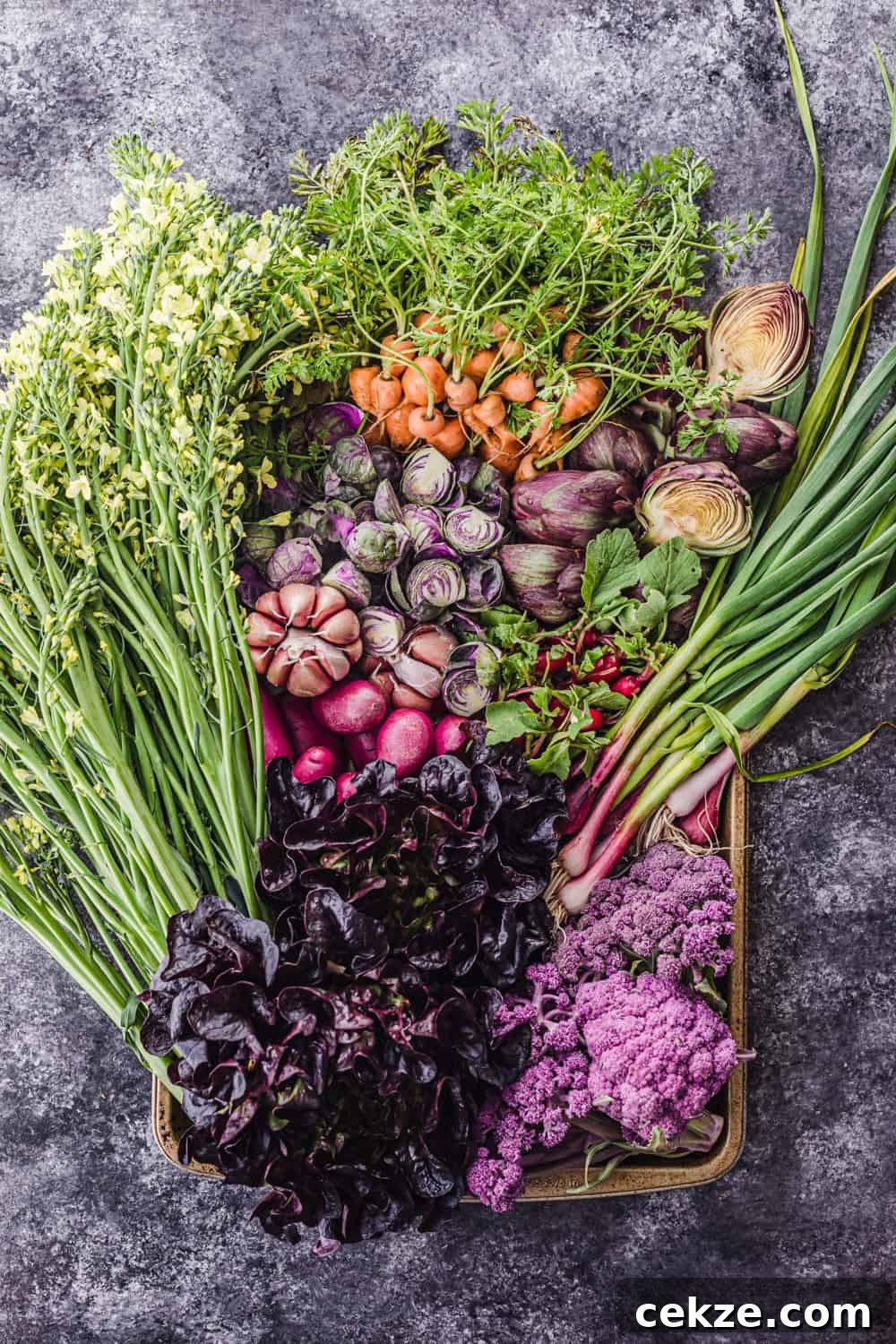
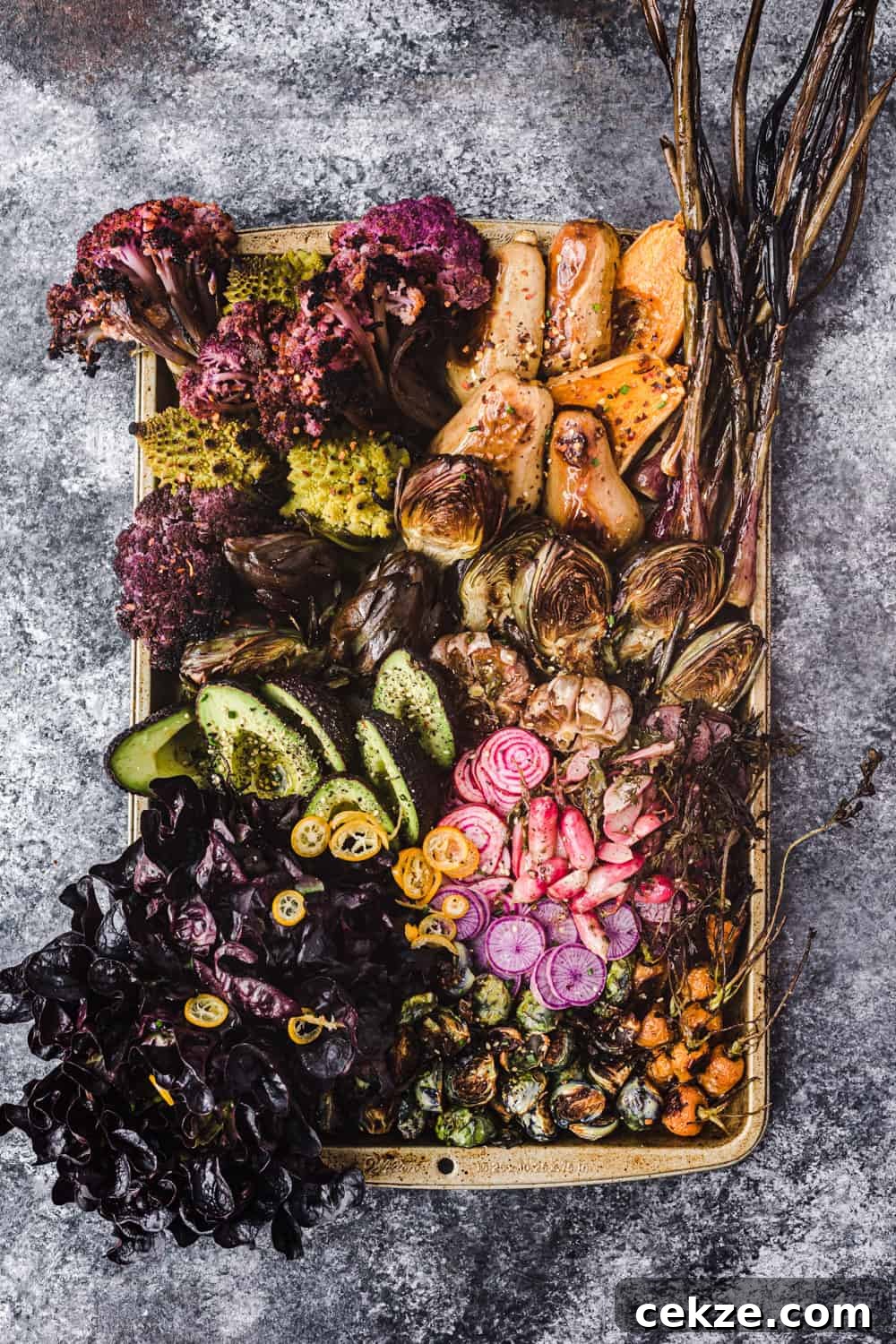
Get the best local, seasonal produce from your farmers market and build your own farmers-market-salad adventure. “Local” and “seasonal” depend on where and when you shop, so consider this a flexible blueprint rather than a strict recipe. The idea is to empower you to create a customized, vibrant salad display using whatever produce catches your eye.
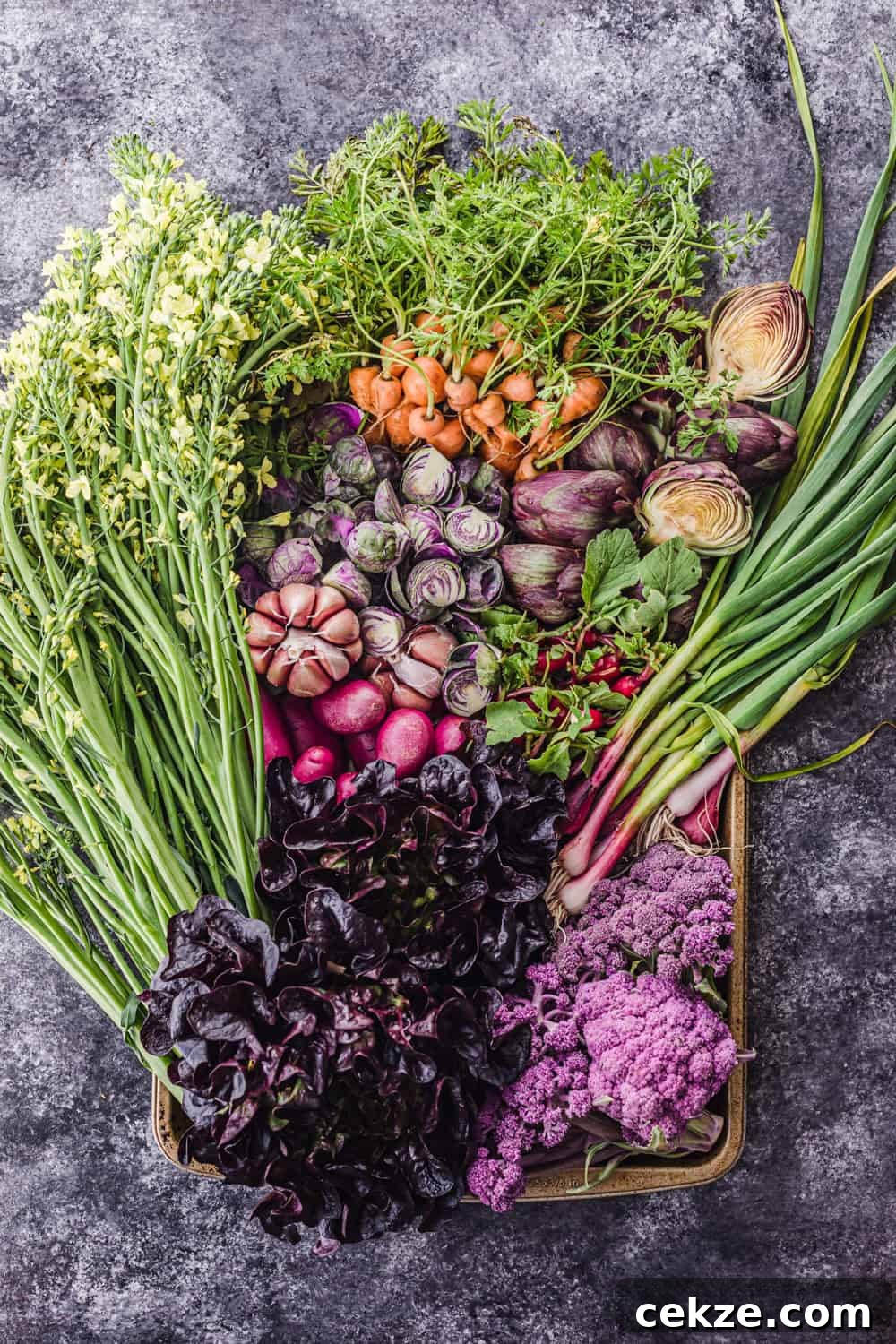
The concept is simple: visit the farmers market, choose produce that excites you, prep items—often separately—arrange them attractively on a board, tray, or rimmed baking sheet, and serve alongside a bowl of greens. You can dress the greens or set the dressing on the side so guests can dress their own plates. Offer add-ons like cheeses, proteins, or grains for extra variety. This is a shareable, visually appealing approach that celebrates seasonal produce.
Why This Farmers Market Salad Works
- Highly adaptable: Any seasonal fruit or vegetable can be included.
- Flexible serving sizes: Easily halve, double, or scale up.
- Versatile course: Works as an appetizer, side, or main—light or hearty.
- Showcases seasonal flavor: Produce at peak season delivers intense flavor and texture.
- Double duty as a centerpiece: Arranged on a platter or sheet, it’s both beautiful and delicious.
This salad can be whatever you want it to be—just use the best seasonal ingredients you can find.
I’ve served this as a finger-food appetizer at dinner parties and as a main for small gatherings. It can also be a side dish. No matter how you serve it, it shines when ingredients are fresh and well-prepared.
What Is a Salad, Anyway?
At its core, a salad is a cold mixture of raw or cooked vegetables or fruits, often seasoned with oil, vinegar, or another dressing, and sometimes accompanied by protein, cheese, or grains. For this style of farmers-market salad, produce can be raw, steamed, grilled, roasted, sautéed, sliced, or diced—whatever best highlights each ingredient.
Aim for a variety of textures and flavors: soft roasted squash, crunchy raw radish, chewy roasted potatoes, and tender brassicas, for example. Add cheese for creaminess, fruit for sweetness, eggs or cured meats for protein, and grains or beans for additional substance. I recommend finishing with a bowl of fresh greens and herbs and a bright vinaigrette for acidity.
Ready to make your own customized version using what looks best at your local farmers market? Great—let’s get to it.
How This Farmers Market Salad Comes Together
Below I outline the version I made recently in Los Angeles. The market offered root vegetables, brassicas, some berries, and spring alliums. I’ll walk through the prep and cooking steps I used; you can simplify or follow them closely depending on time and preference.
Yay for eating local and seasonal!
The recipe describes how I prepped and cooked each component. You can keep things simple by serving more produce raw, especially in summer. The finished arrangement is served on a rimmed baking sheet—no fancy platter required.
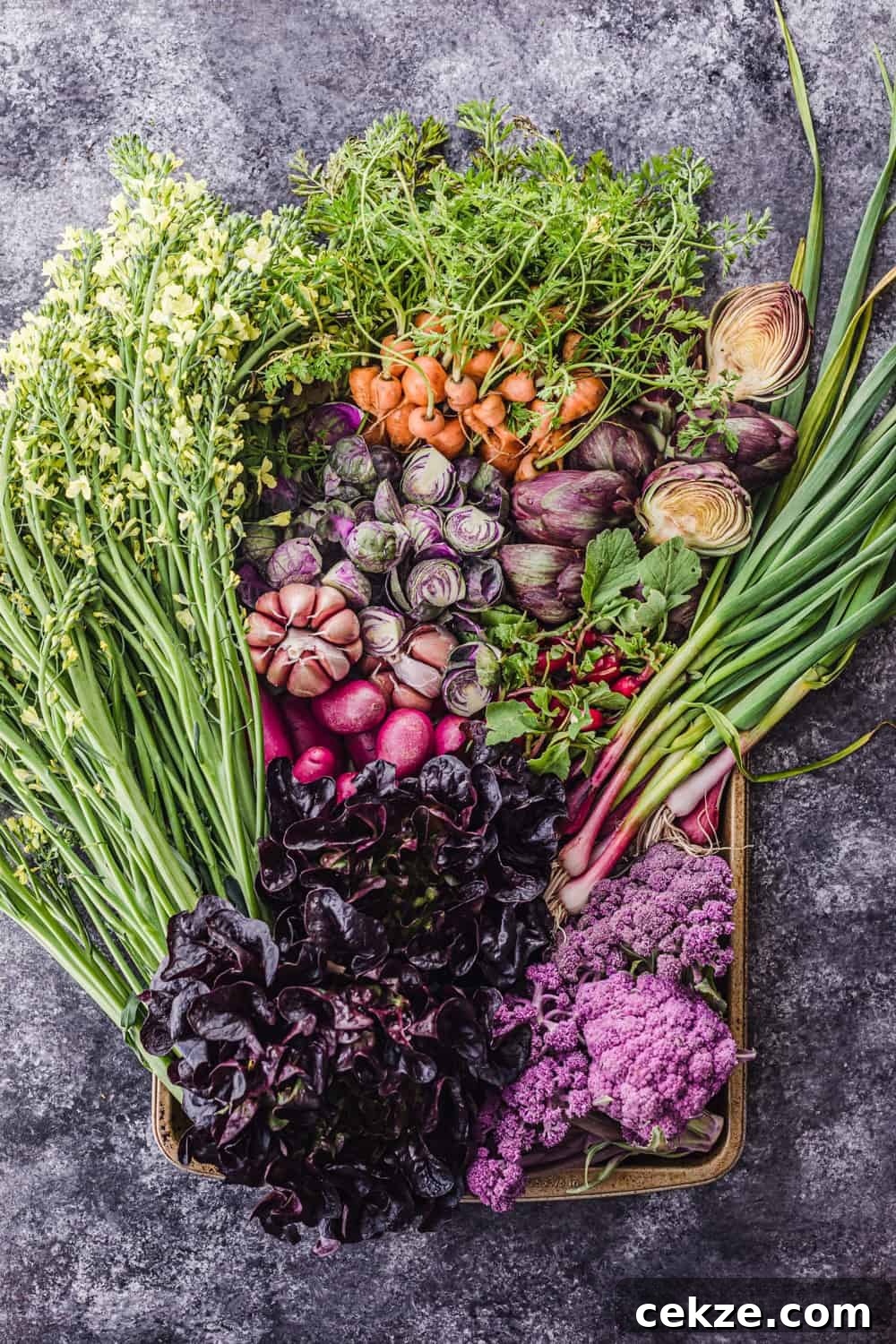
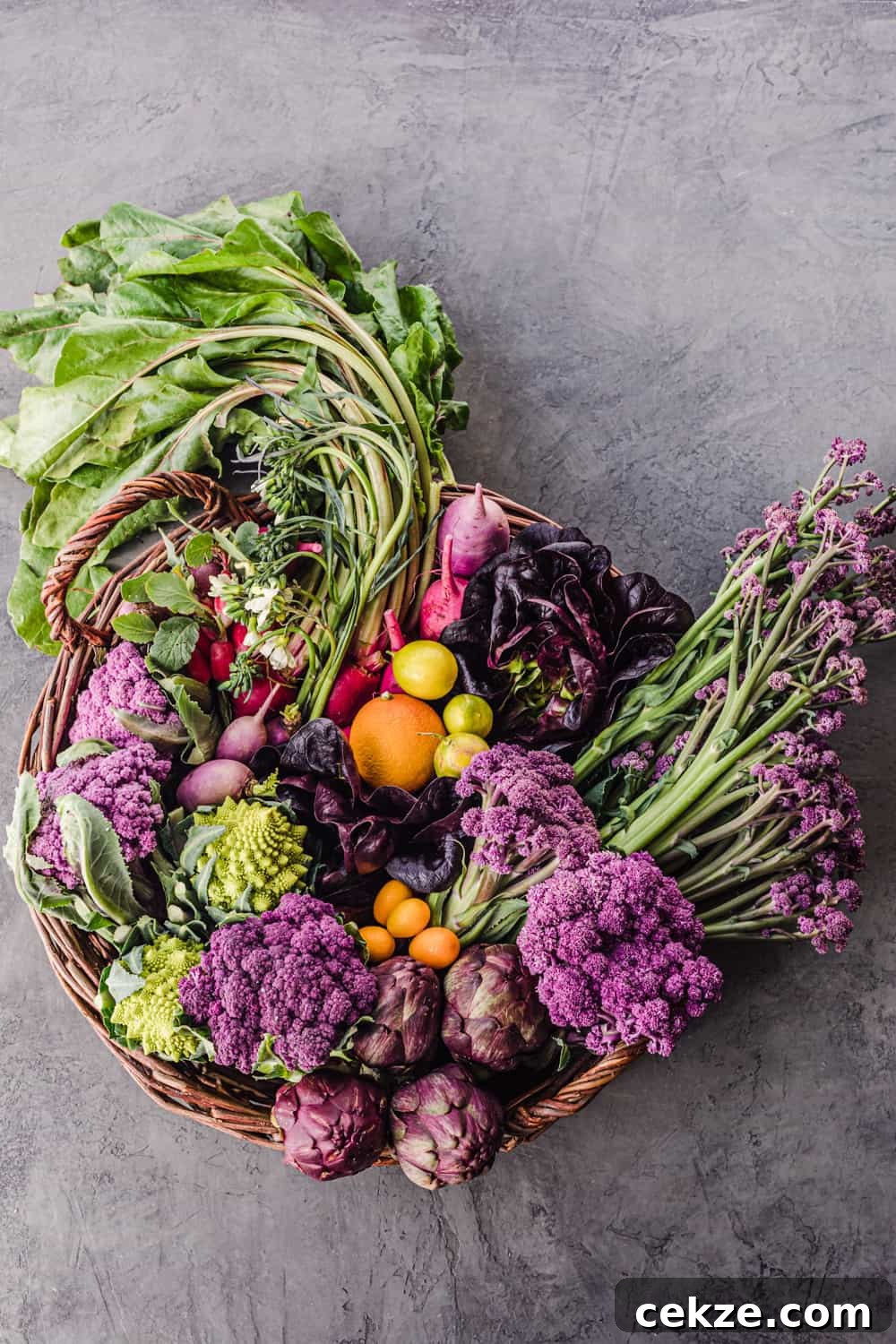
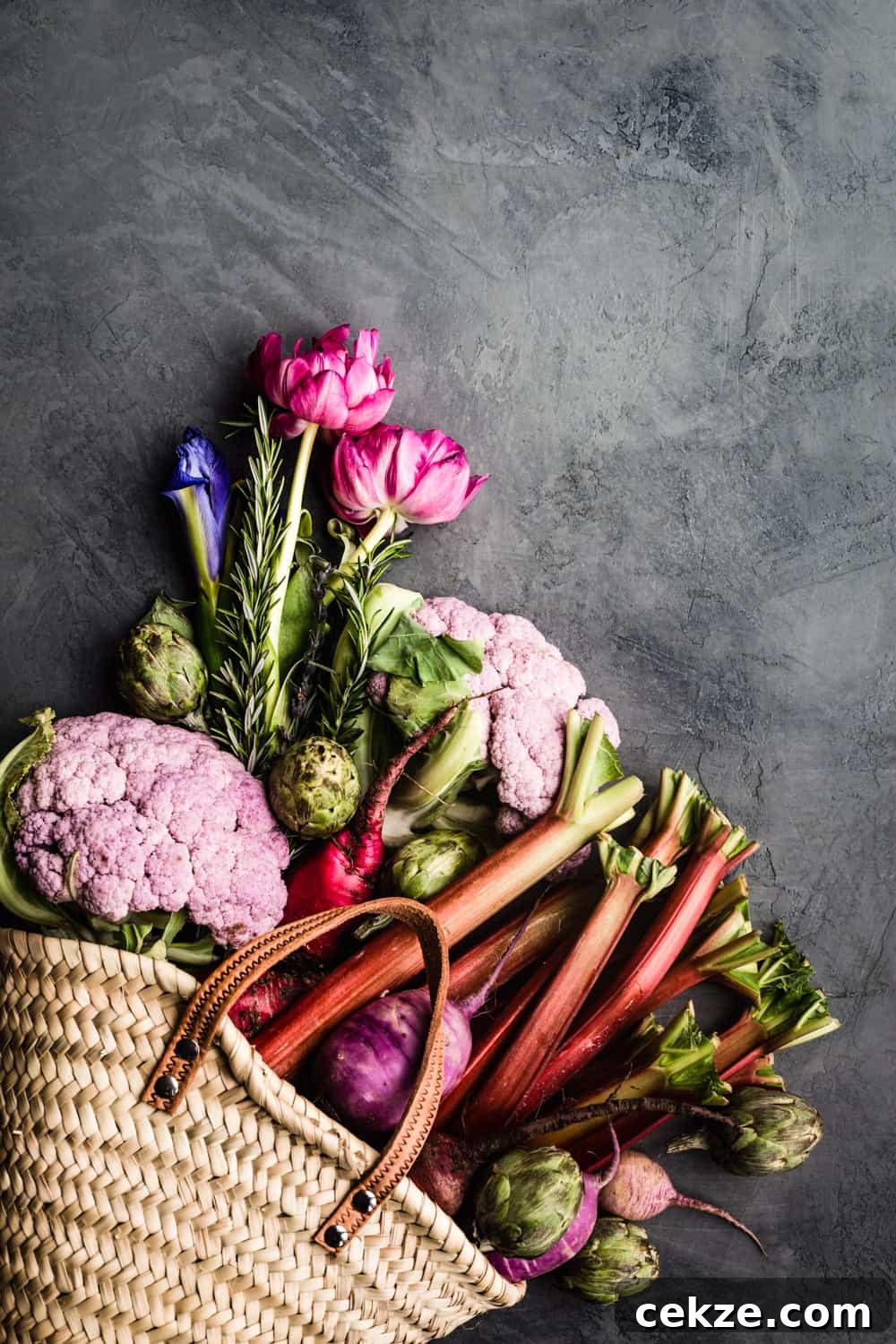
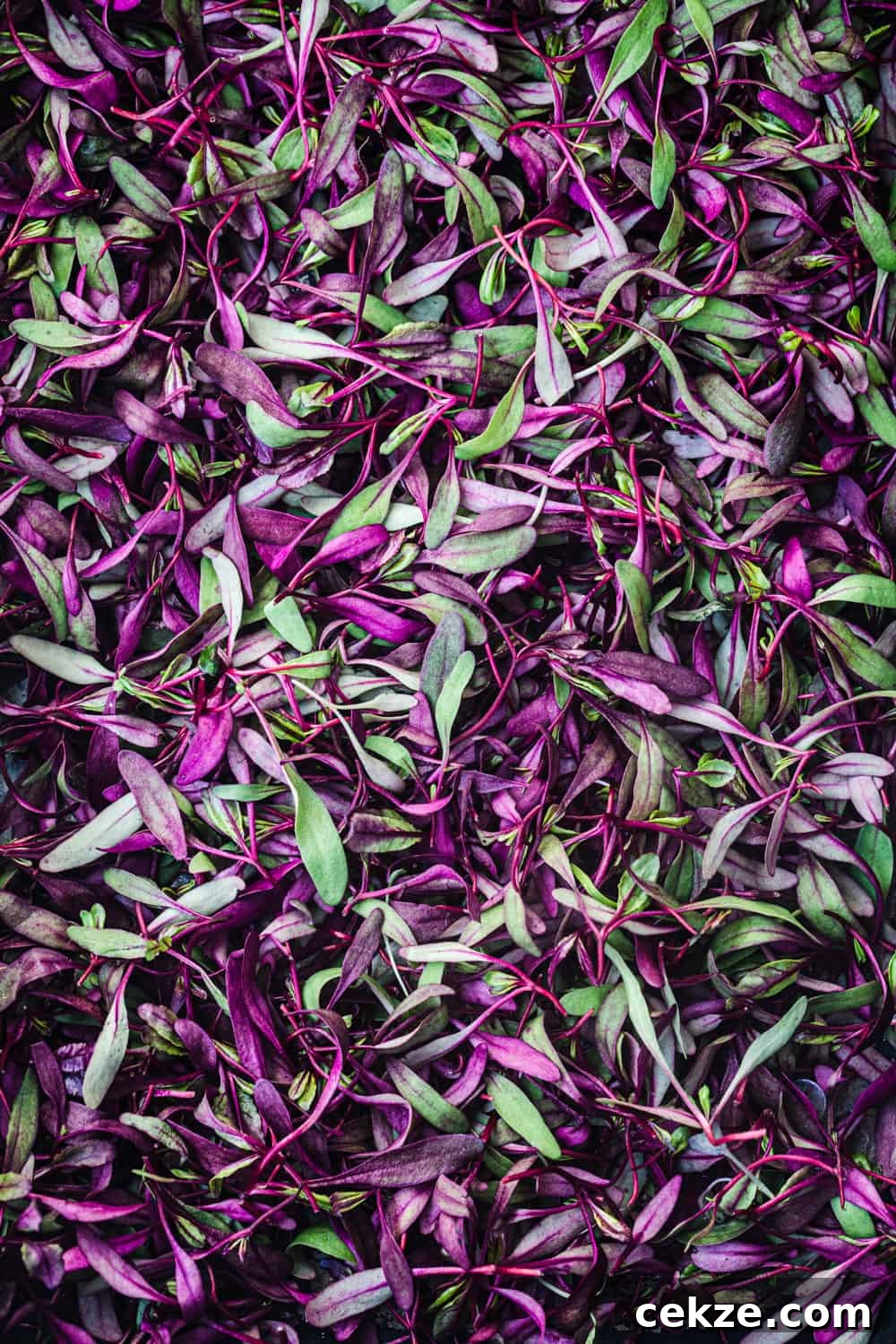
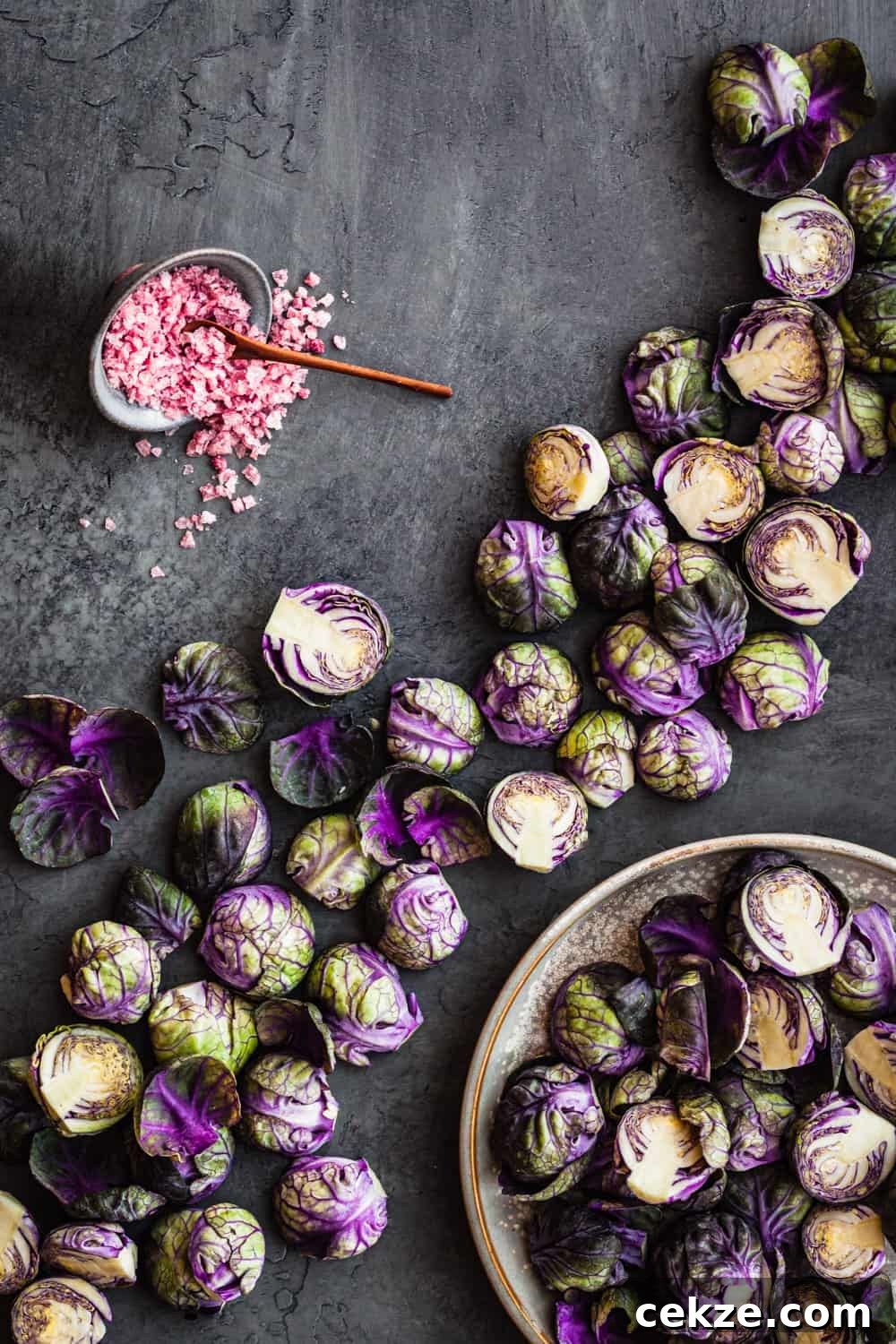
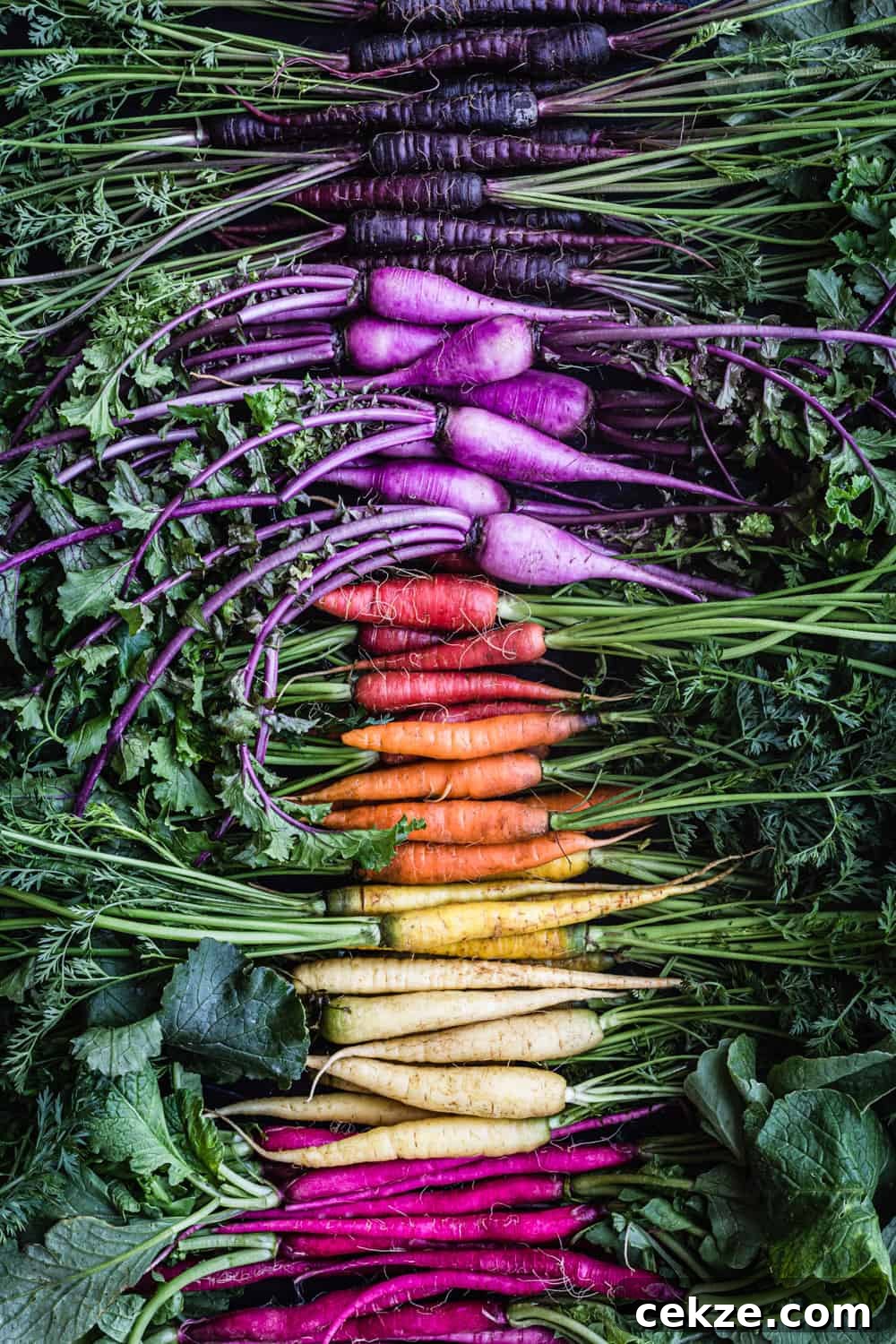
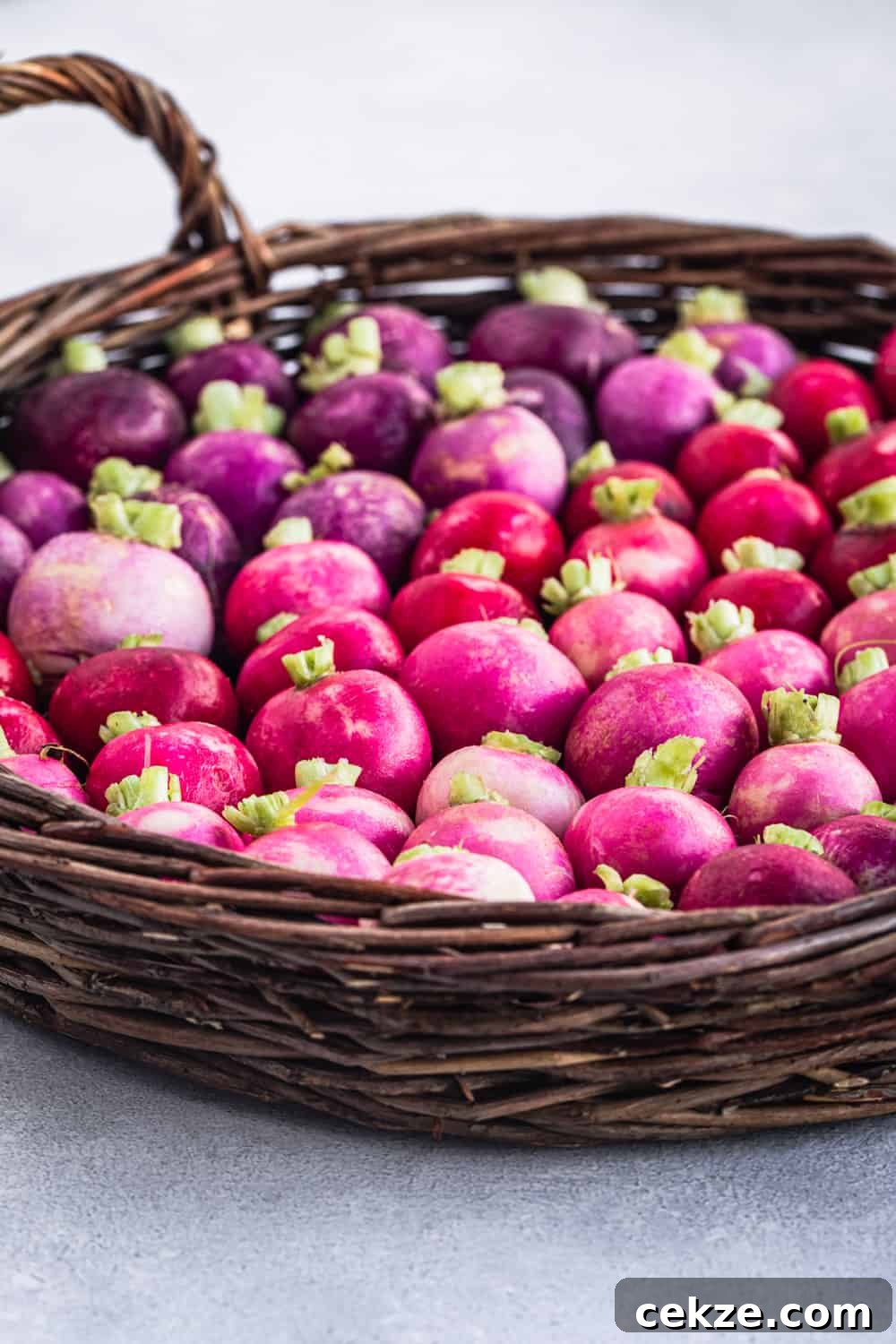
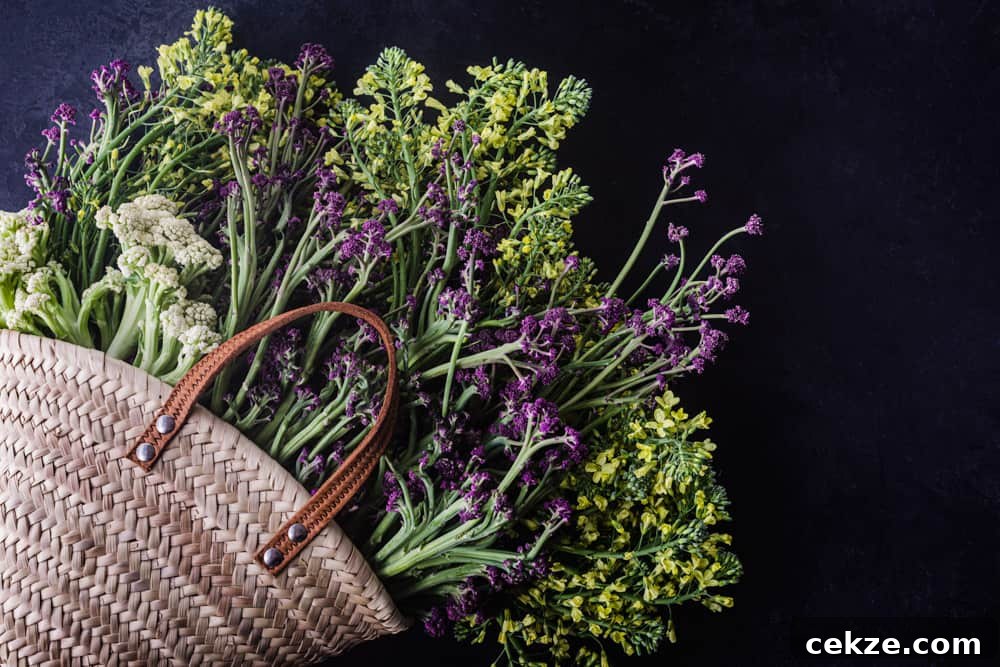
In my example I used broccolini, purple Brussels sprouts, baby carrots, baby artichokes, radishes, spring onions, purple cauliflower, little gem lettuces, pink potatoes, and garlic. Not everything from the market appears in every photo—some items were used elsewhere or didn’t make the ingredient shot.
Here are the main prep and cooking steps I followed:
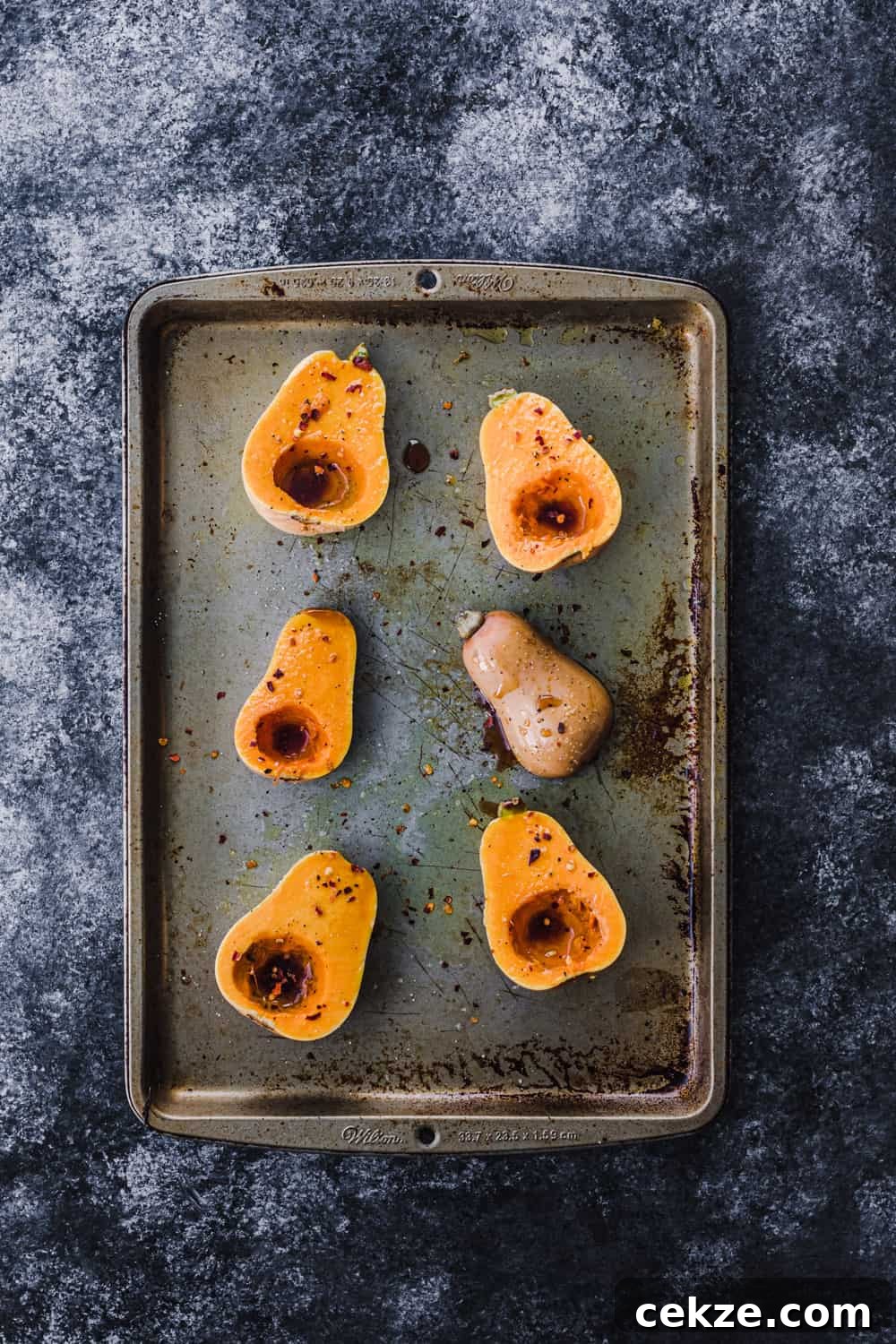
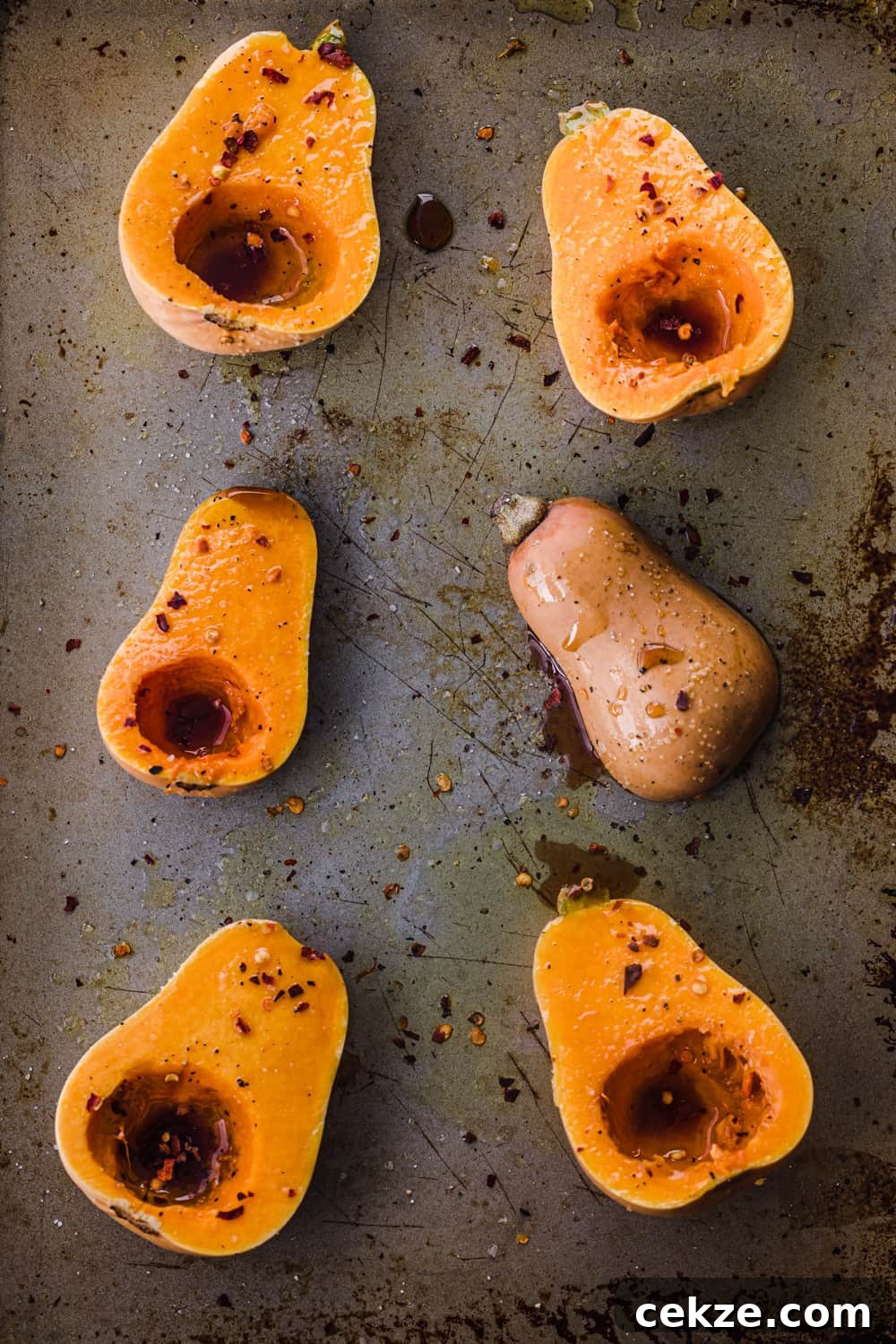
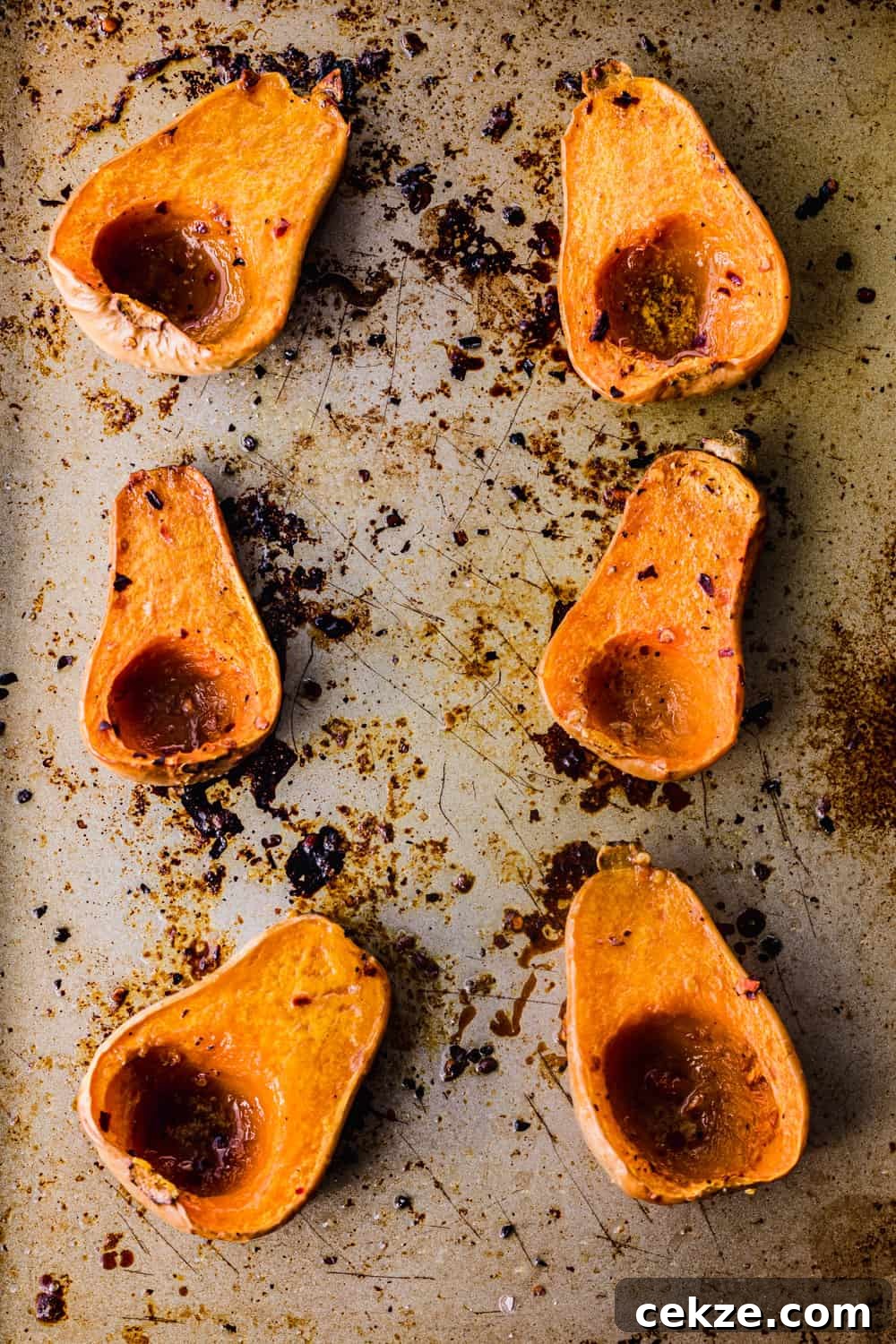
Roast butternut squash: brush cut sides with butter or oil, drizzle with maple or honey, season with salt, pepper, and chili flakes. Roast cut side up until tender, then finish with flaky sea salt.
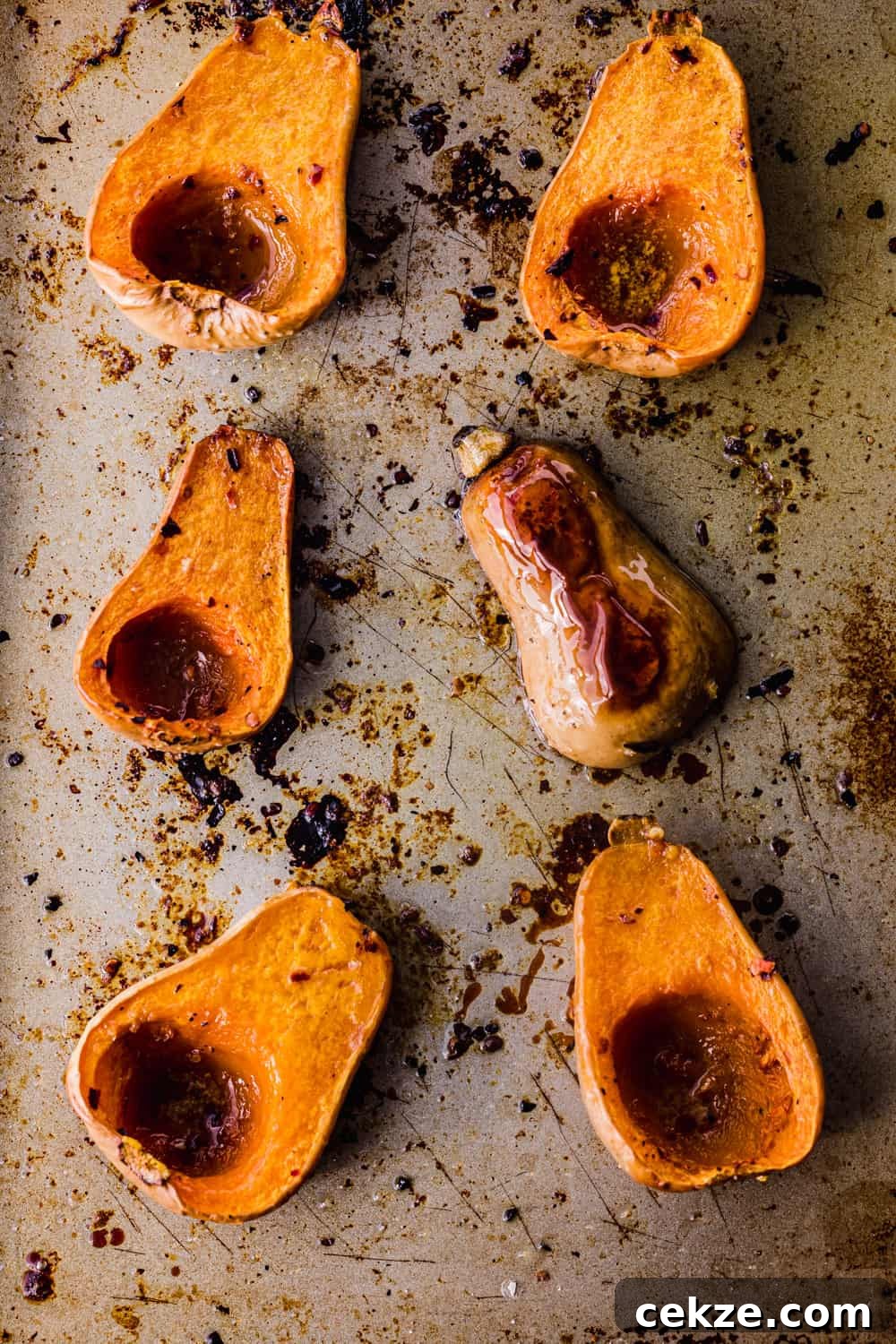
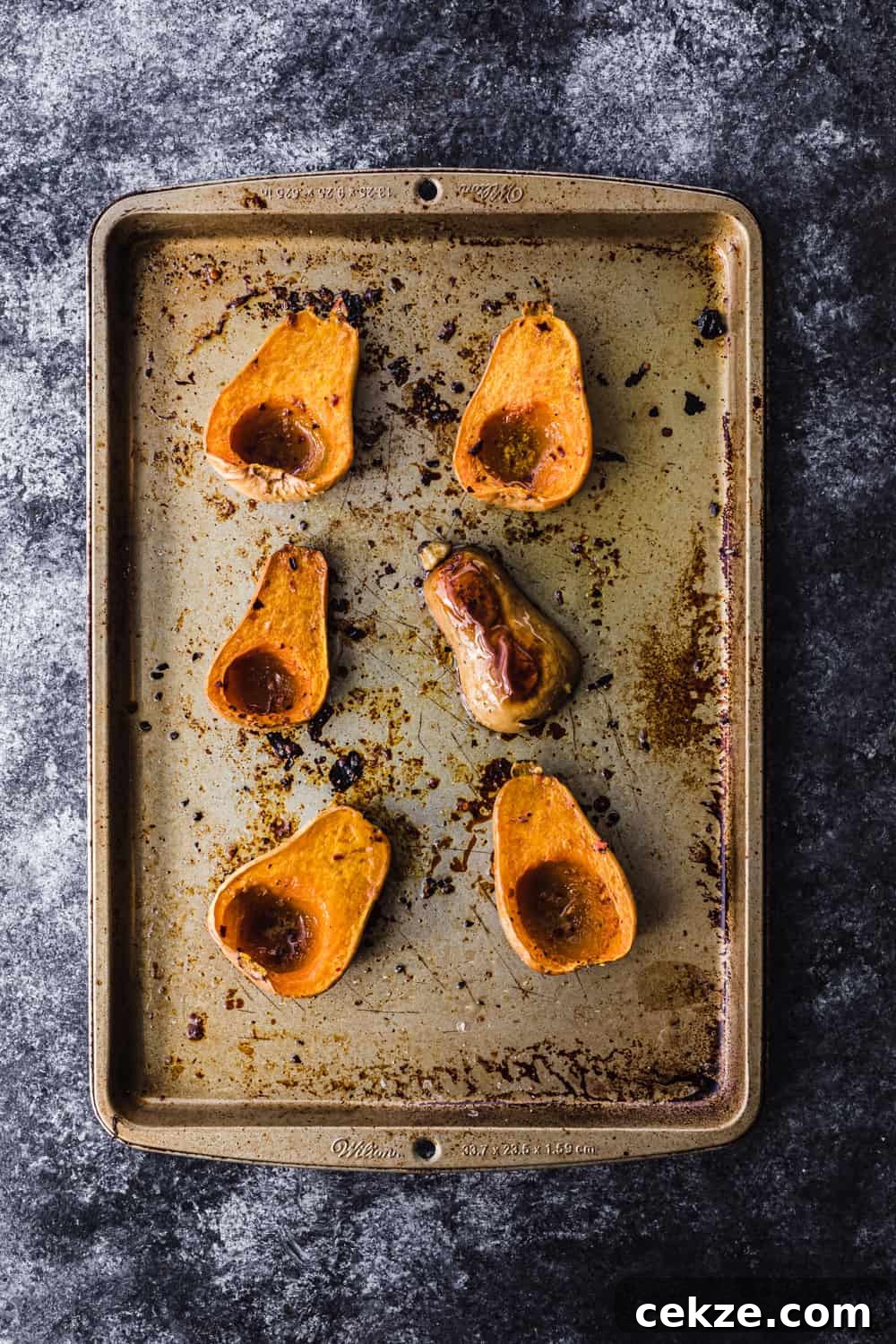
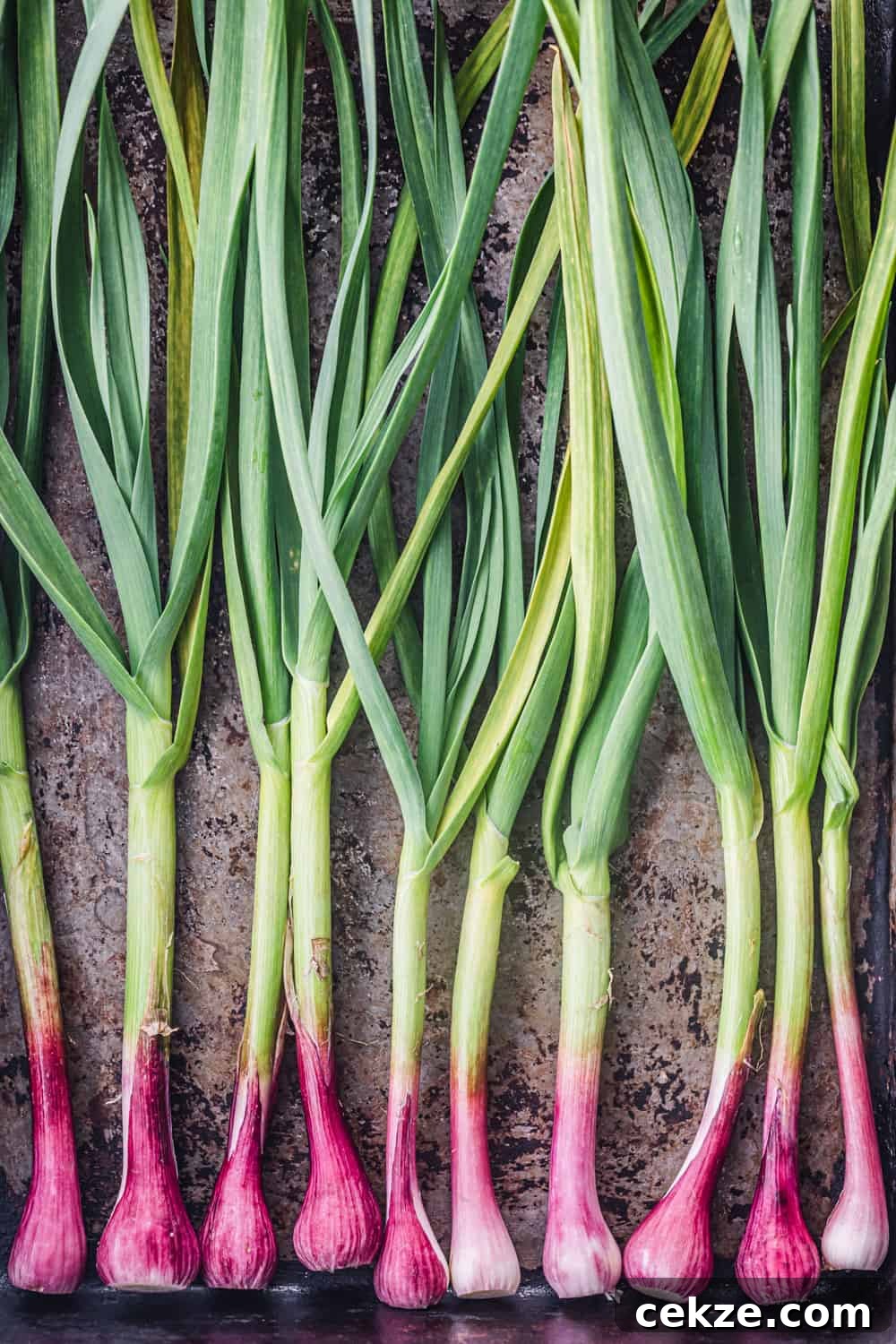
Roast spring onions: toss in olive oil, season, and roast until bulbs are tender and tops are golden. Reserve the flavored oil for the dressing.
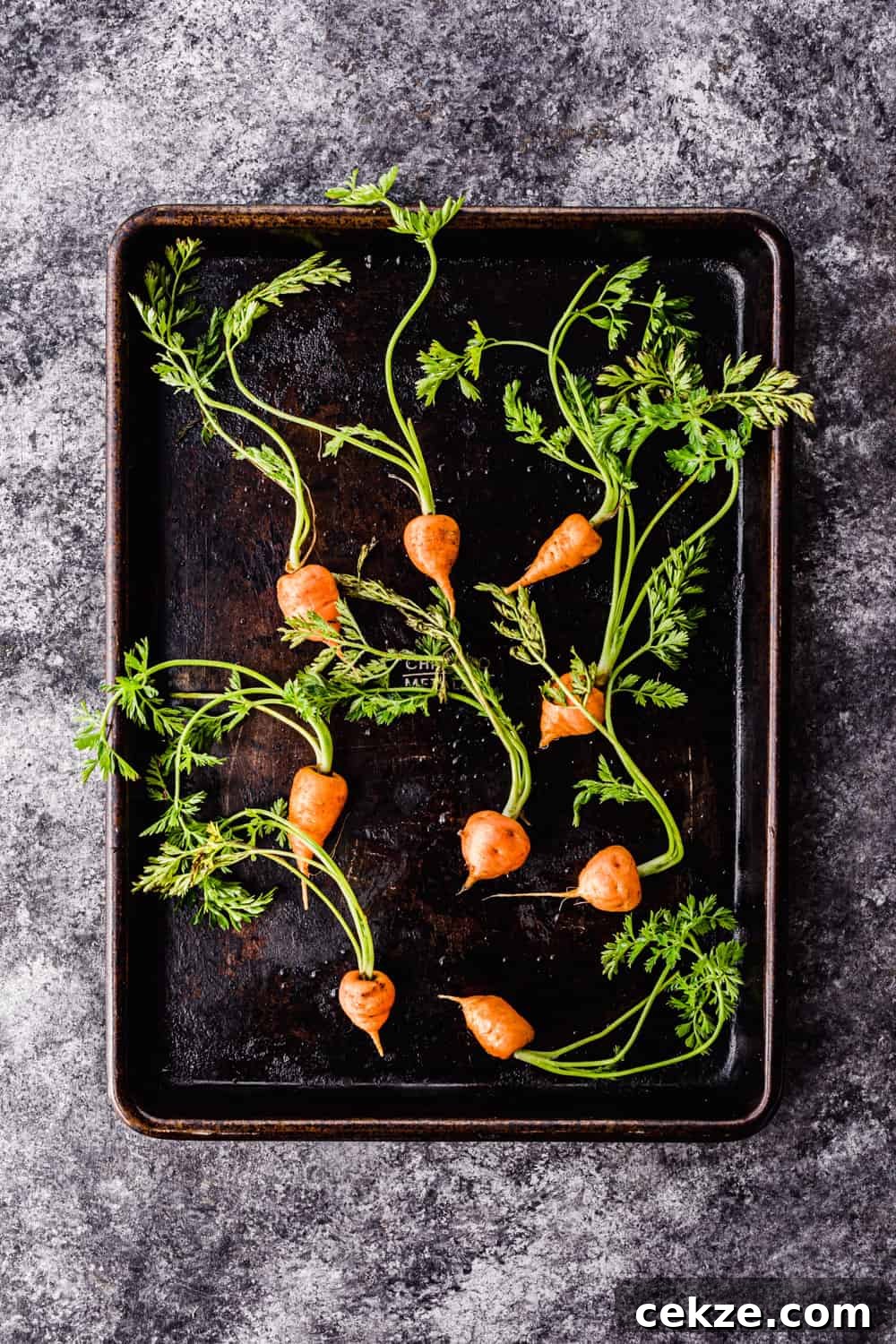
Roast baby carrots whole with their greens left on—those tops are edible and tasty. Toss with olive oil, salt, and pepper, then roast until tender and slightly caramelized.
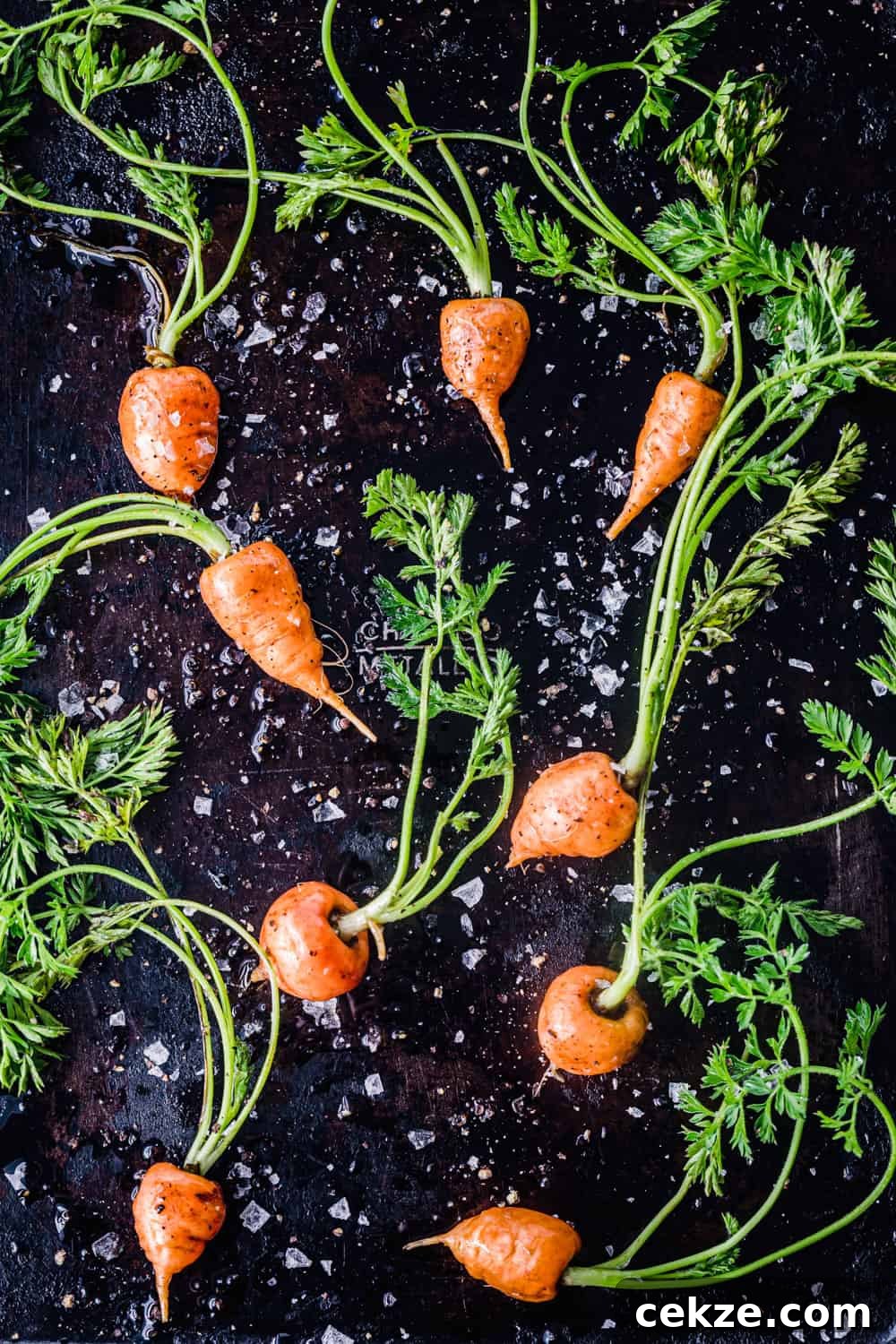
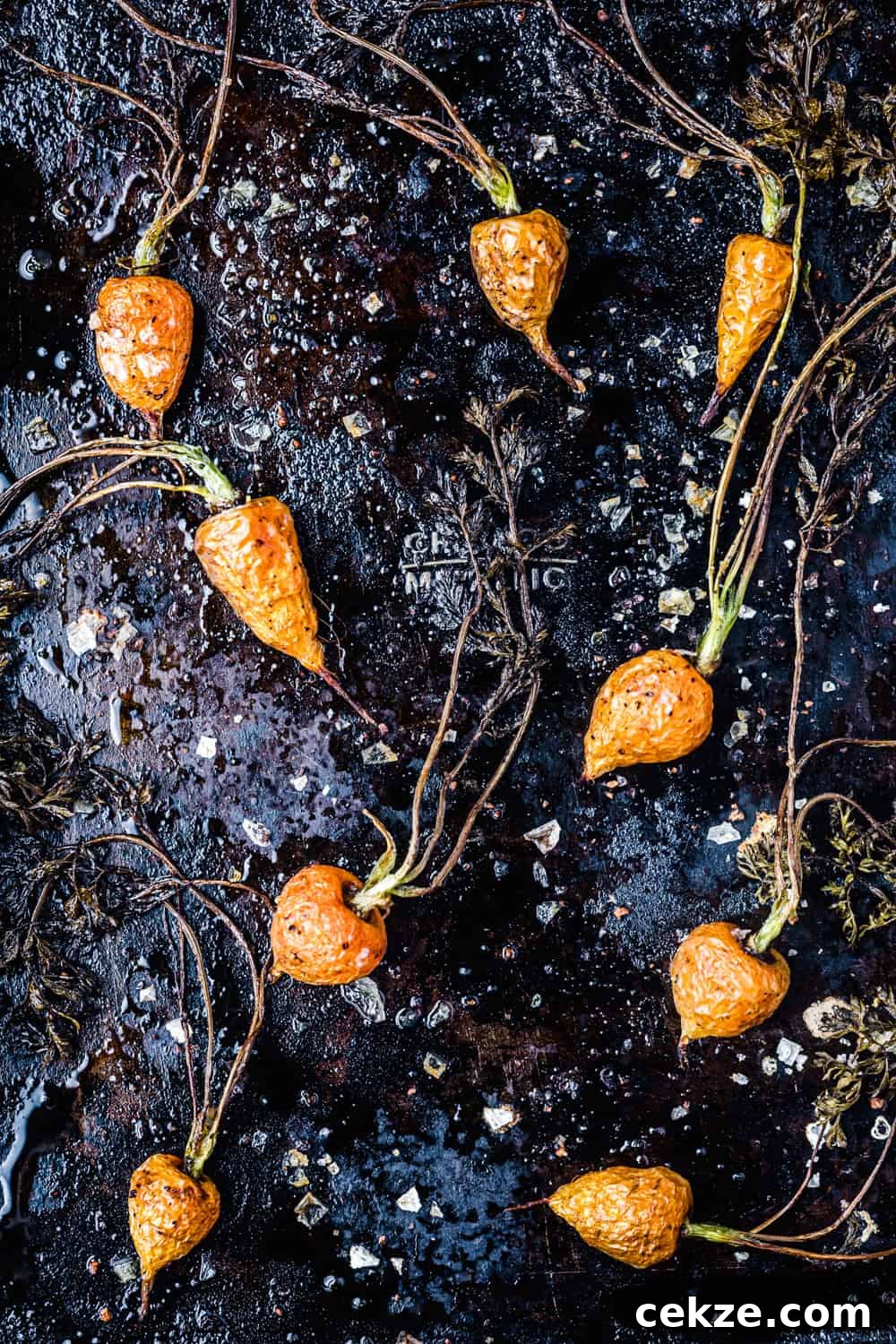
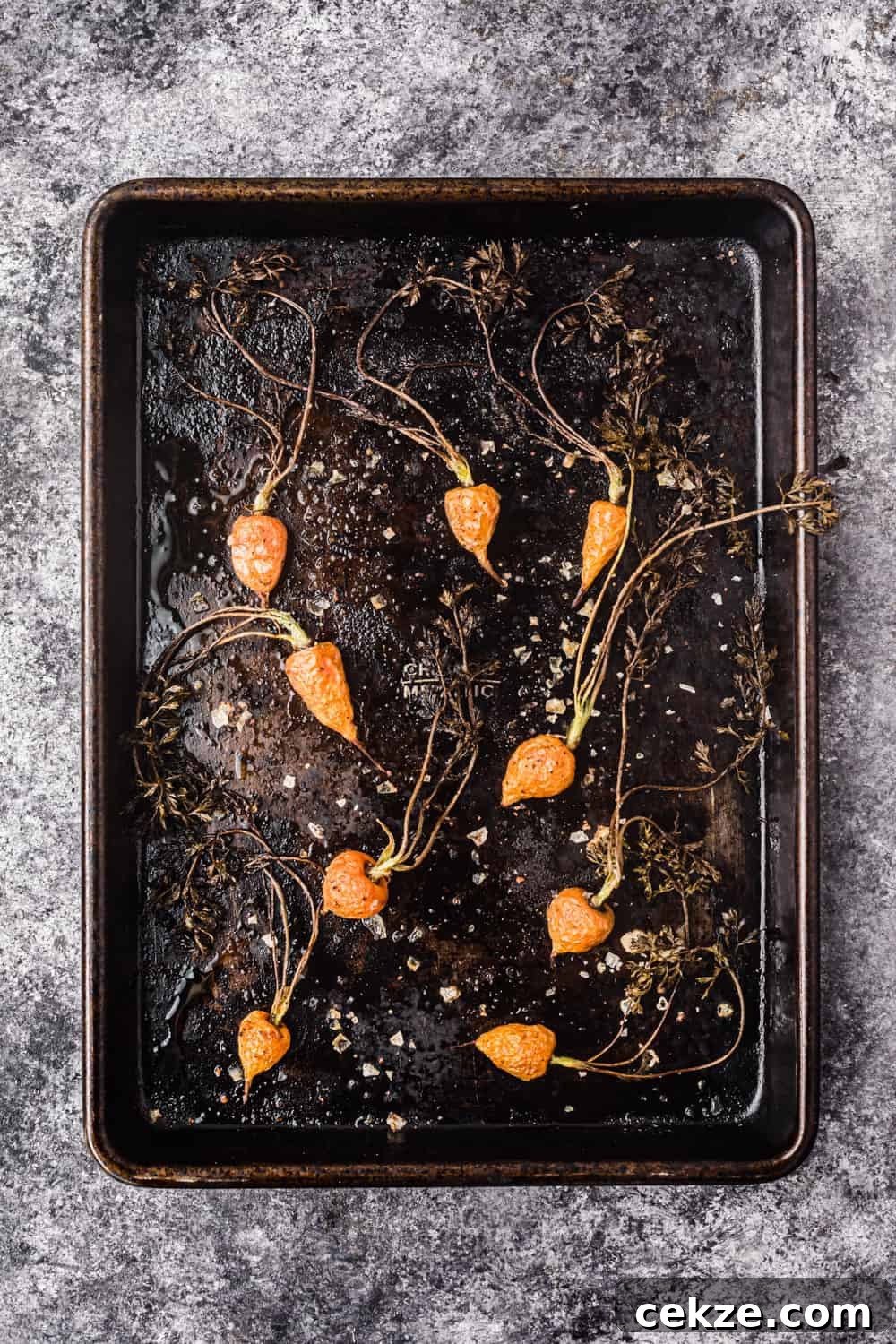
Roast thinly sliced potatoes tossed in oil, salt, and pepper until golden and crisp.
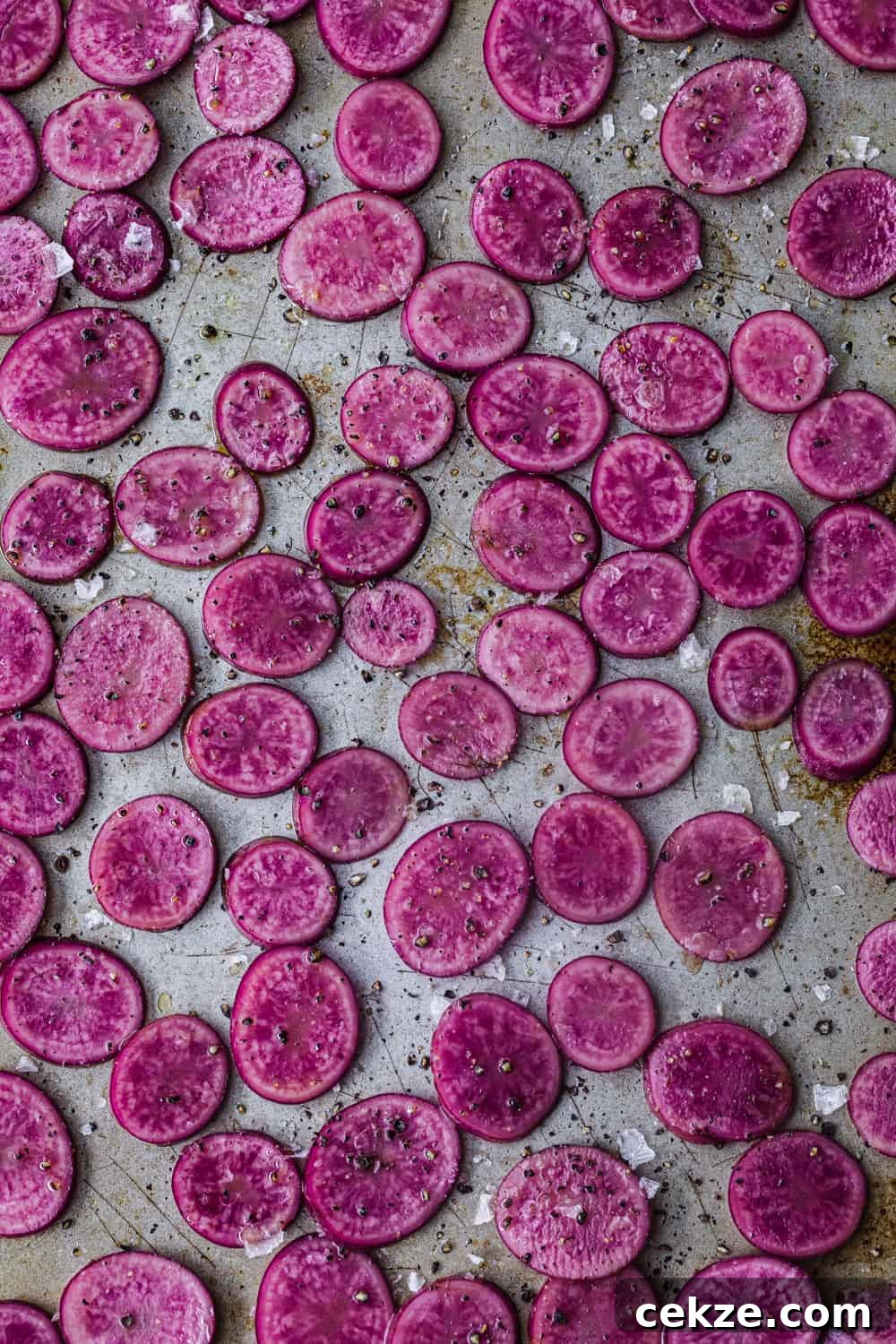
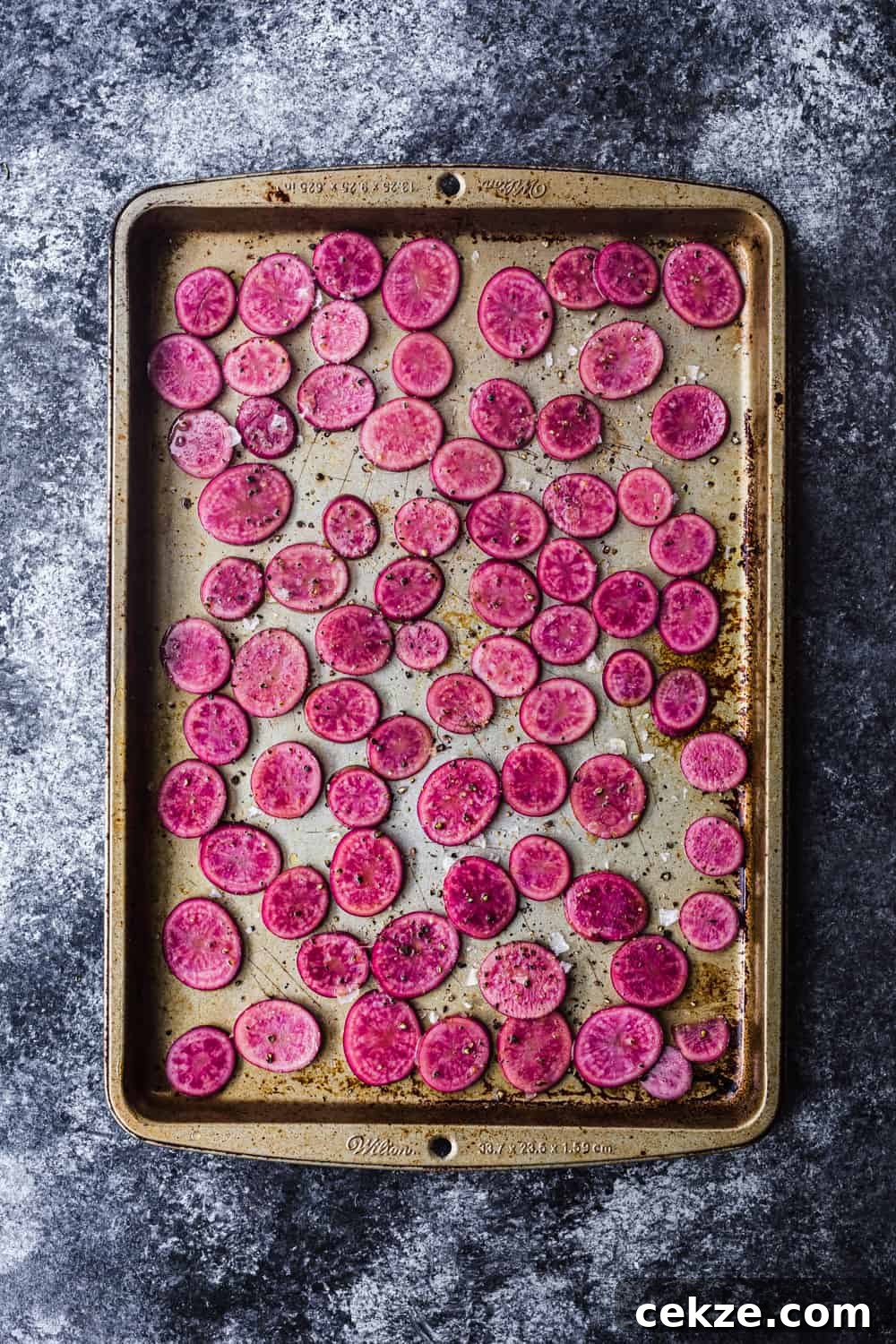
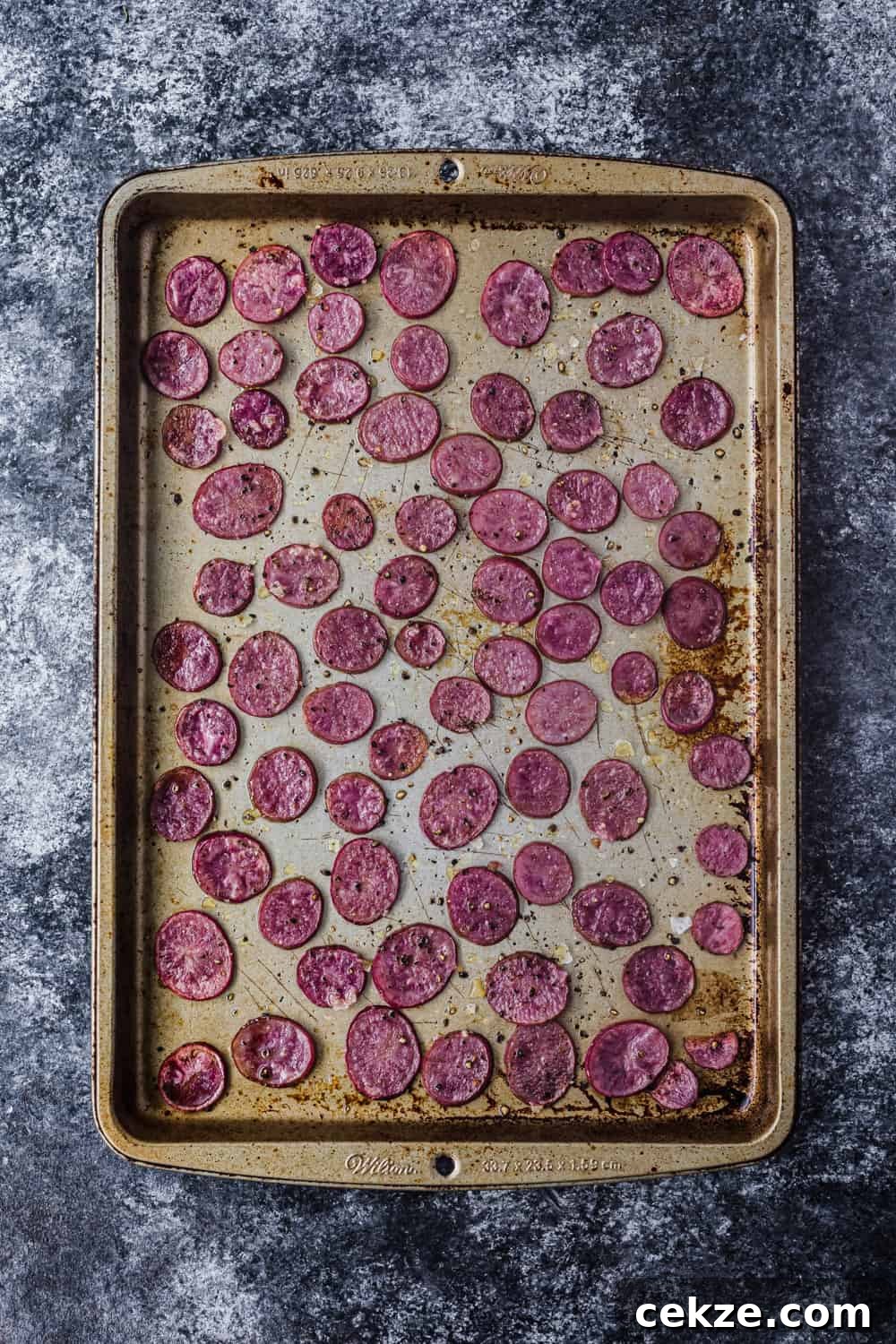
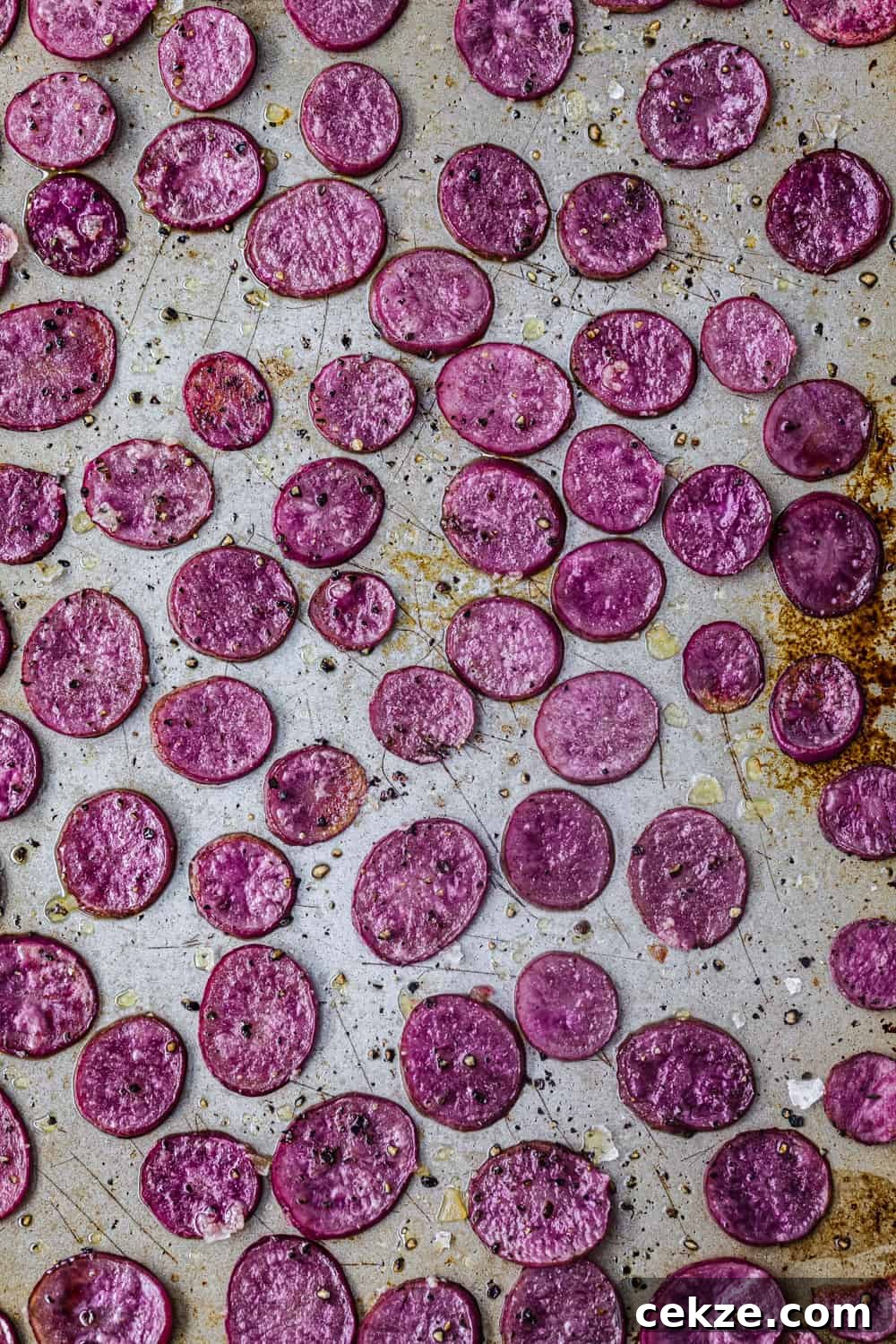
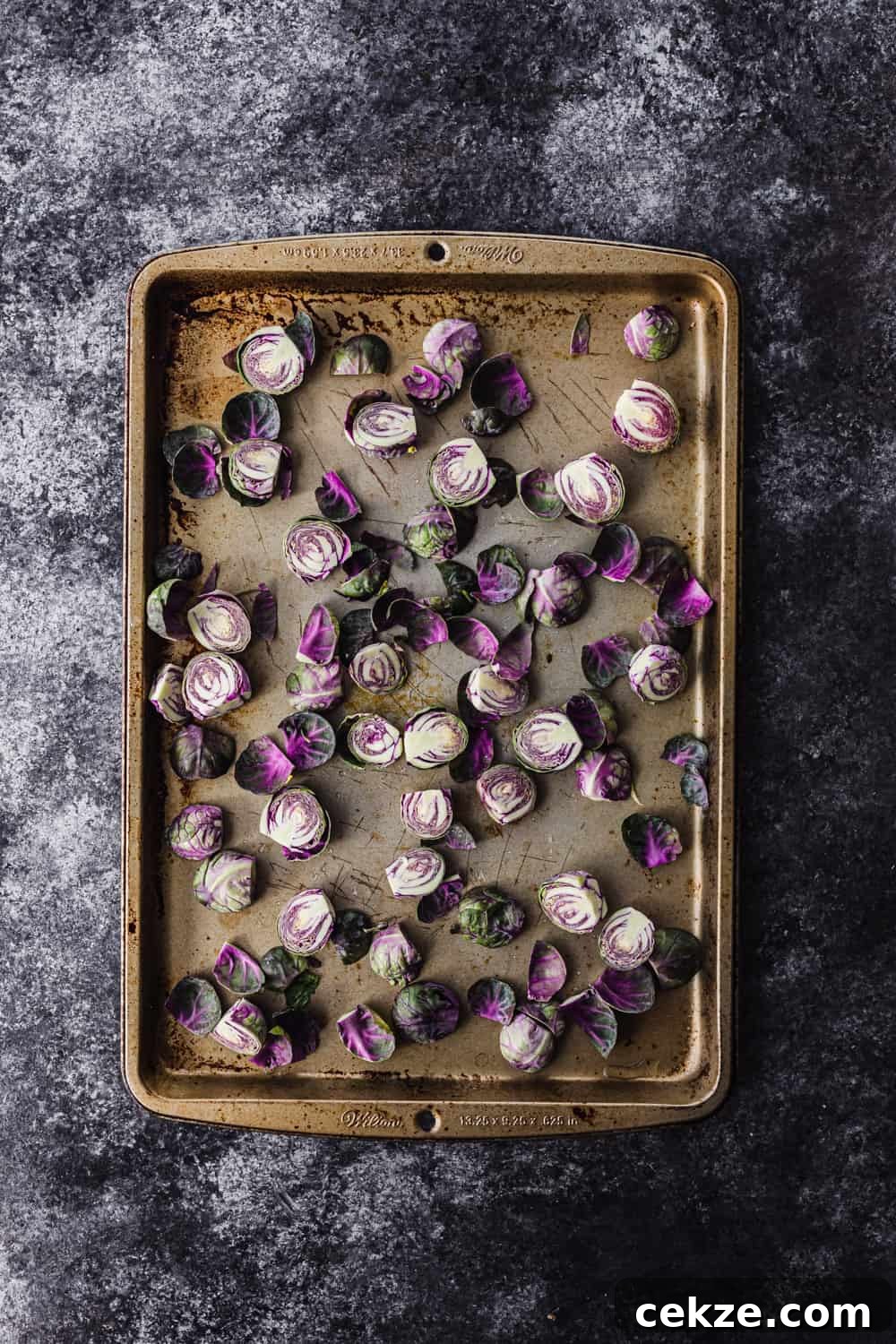
Roast Brussels sprouts cut-side down until caramelized and crispy on the outside.
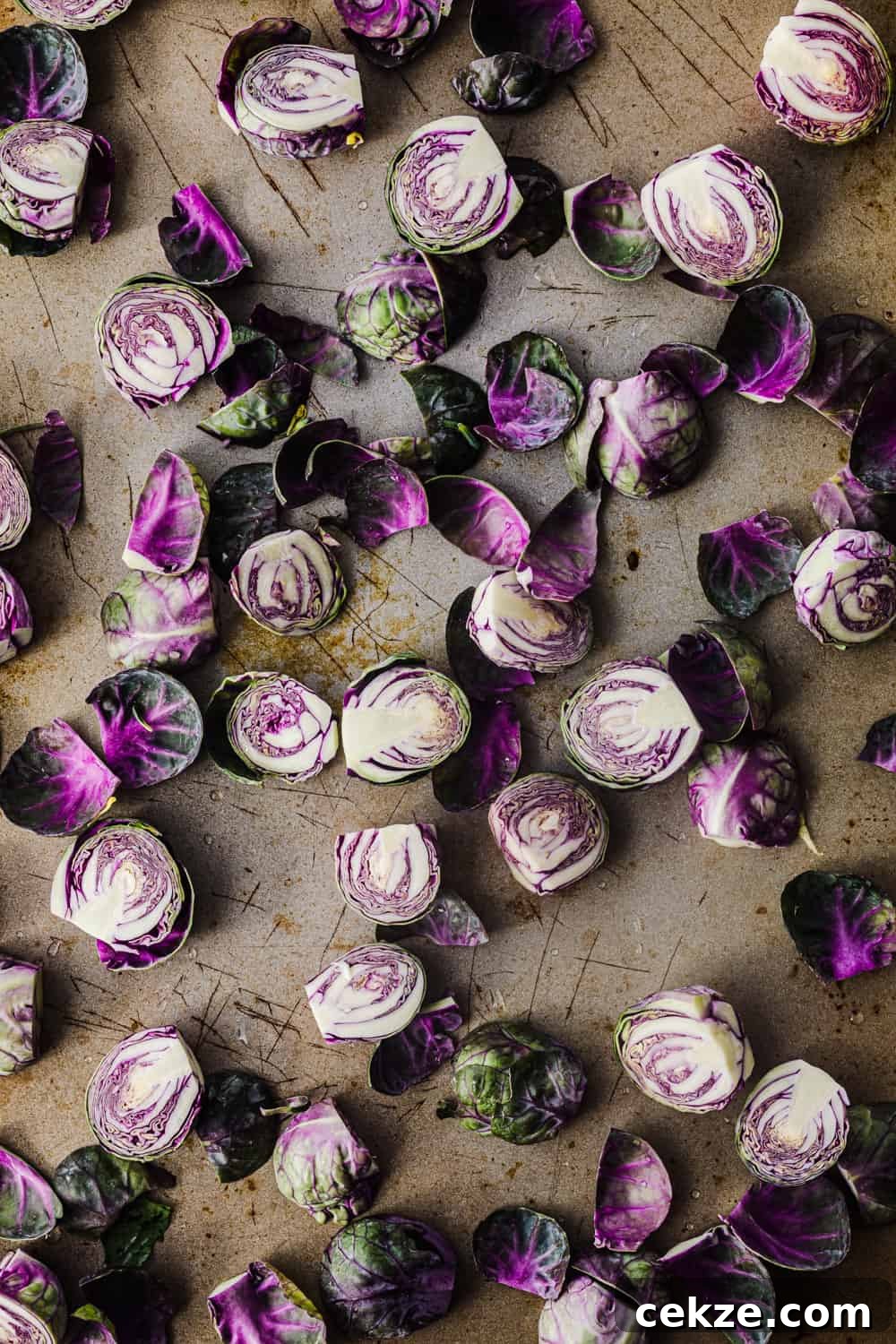
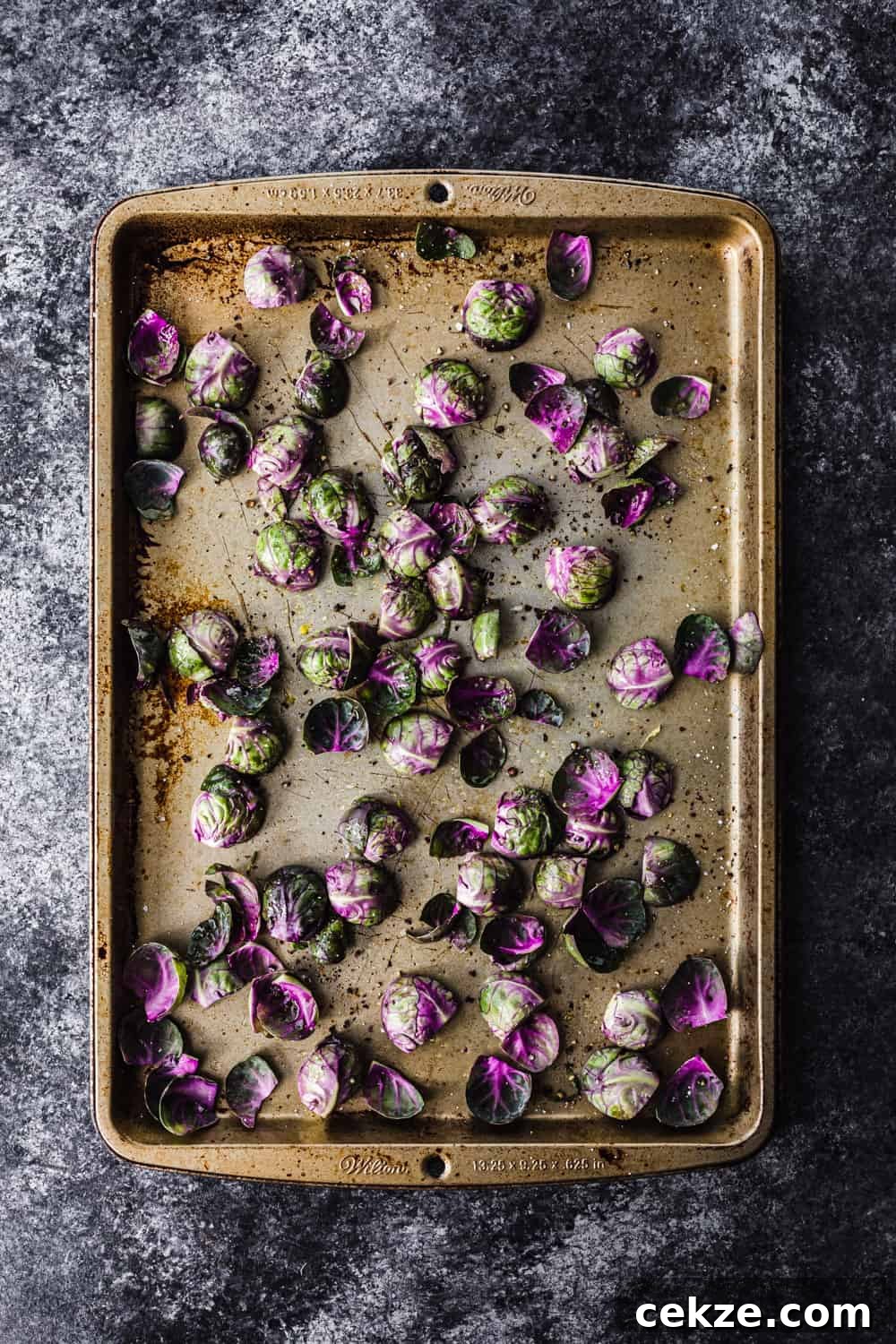
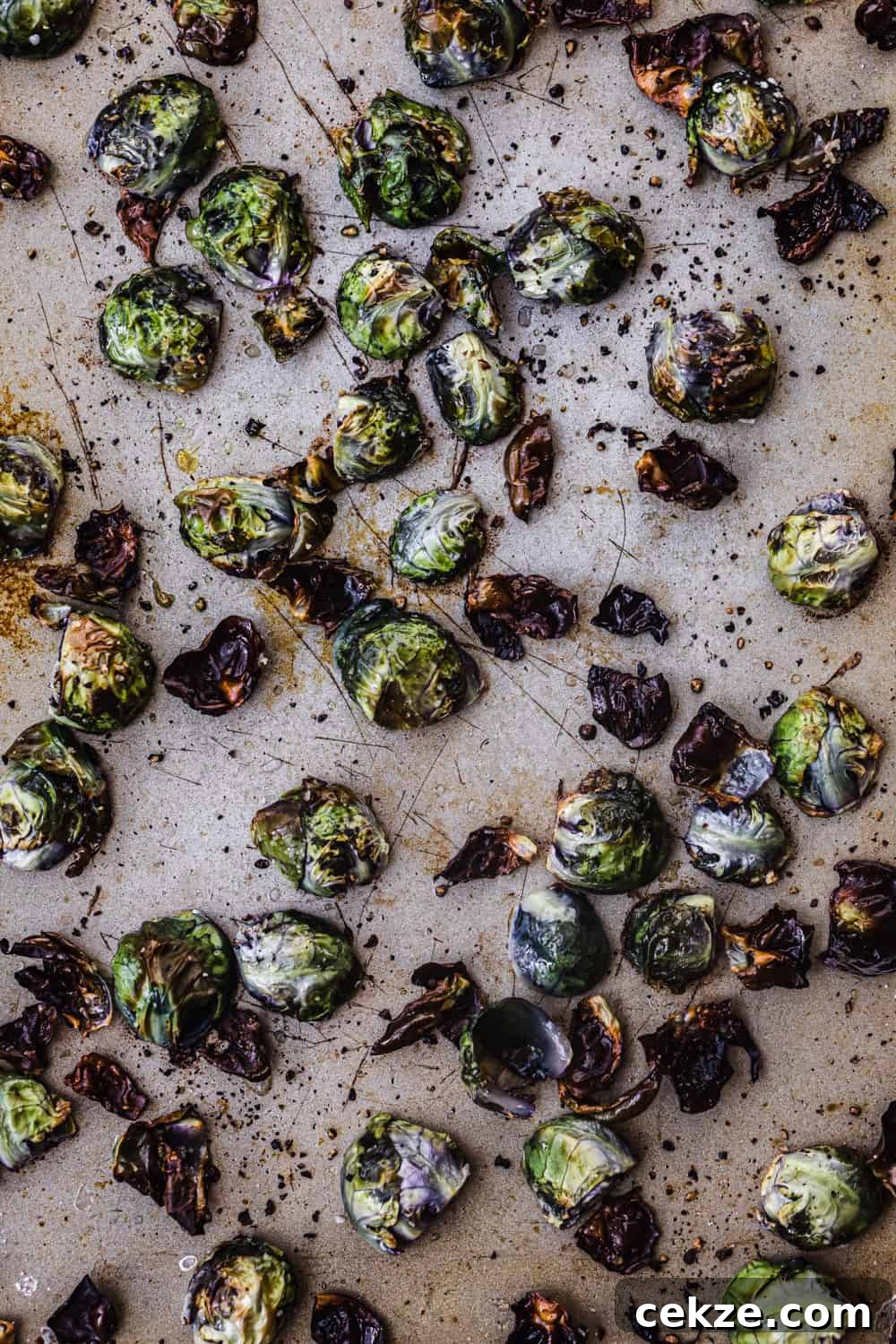
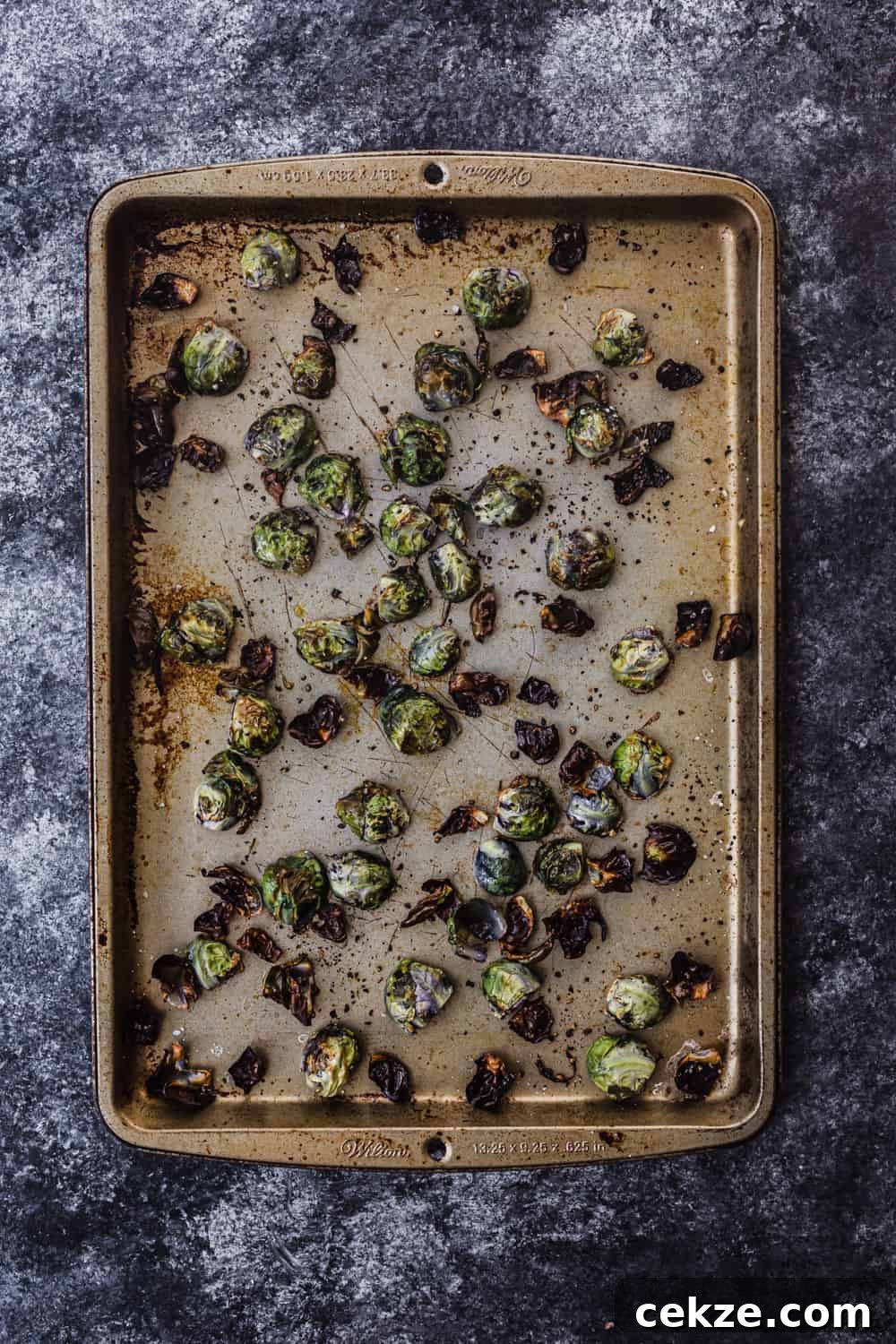
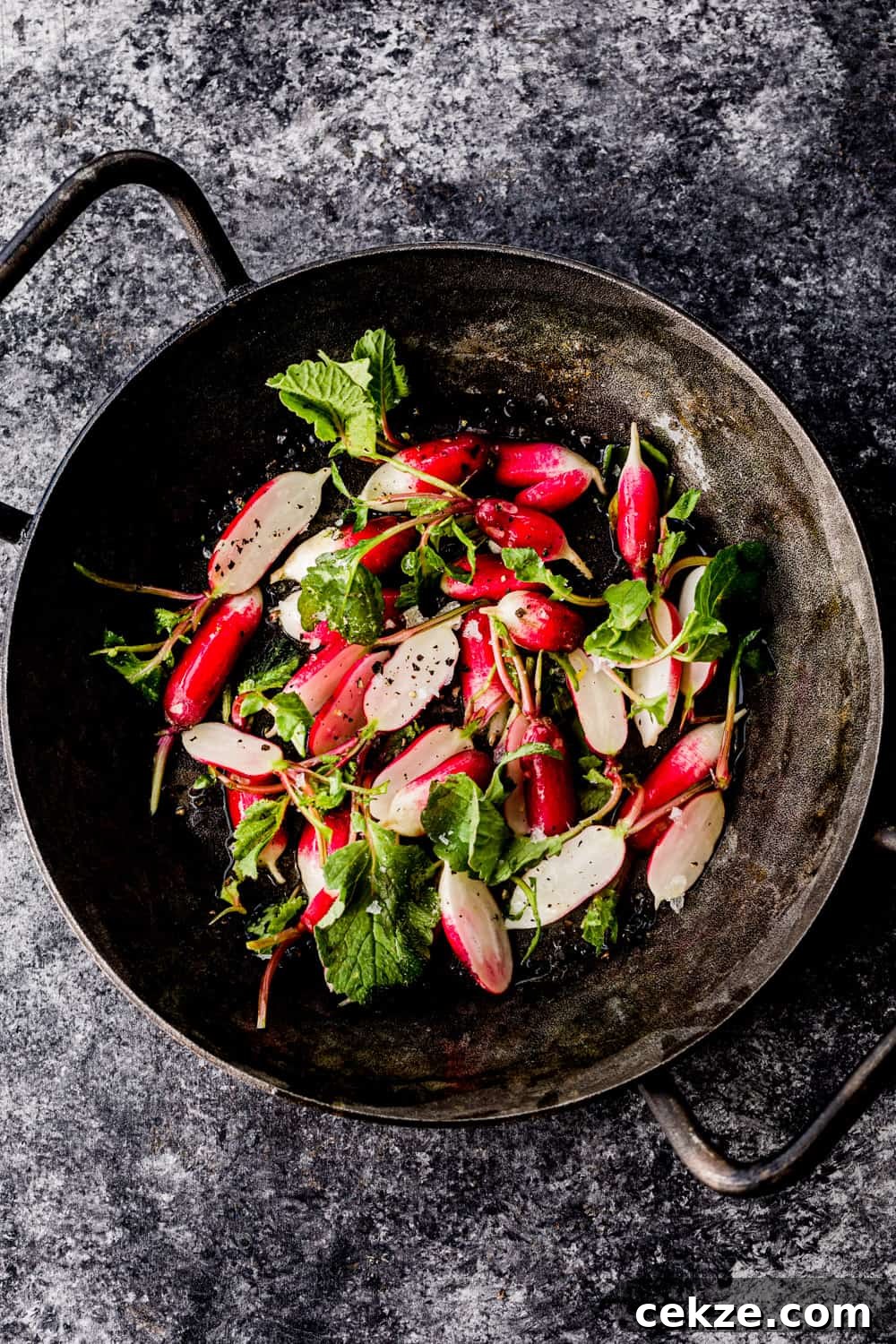
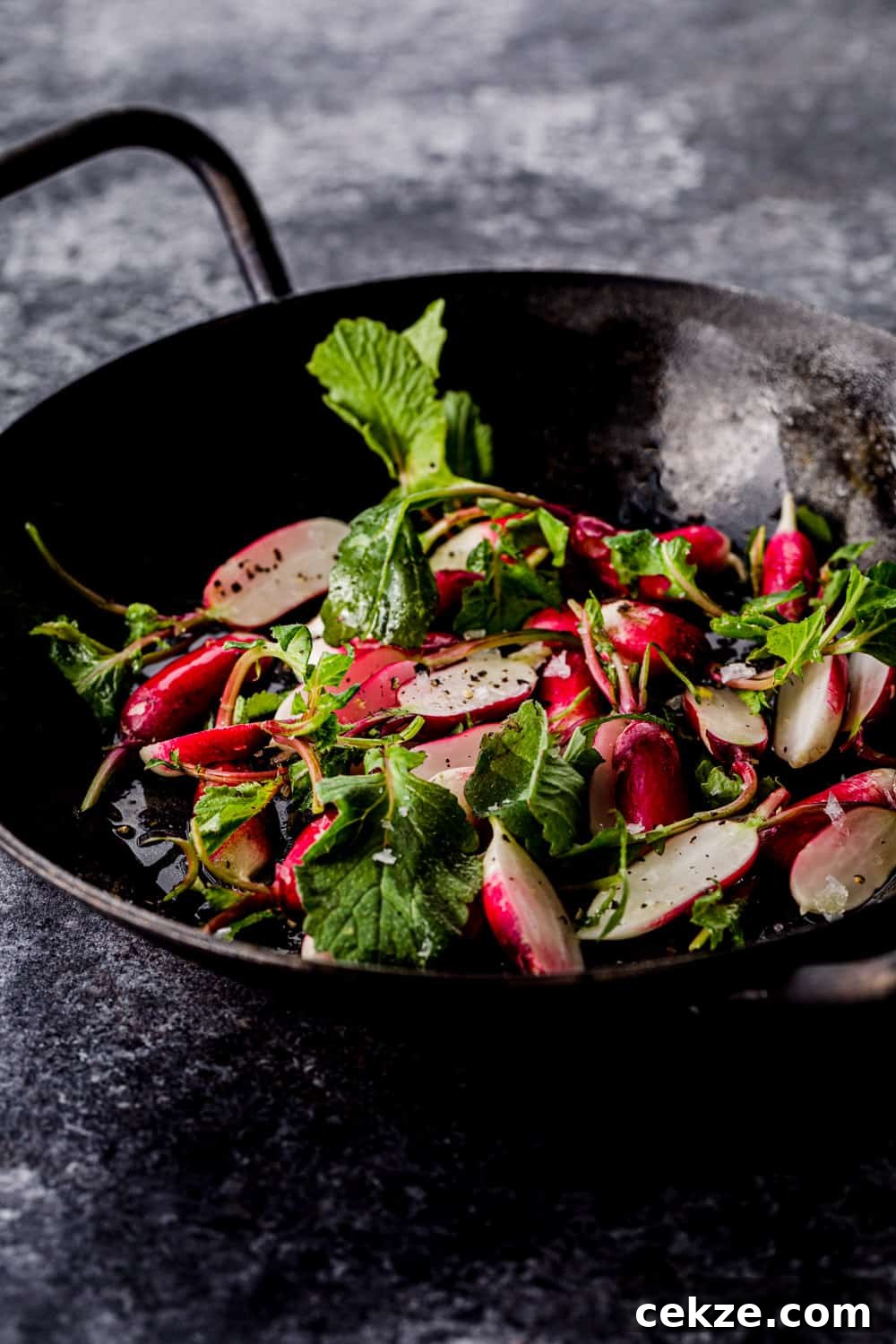
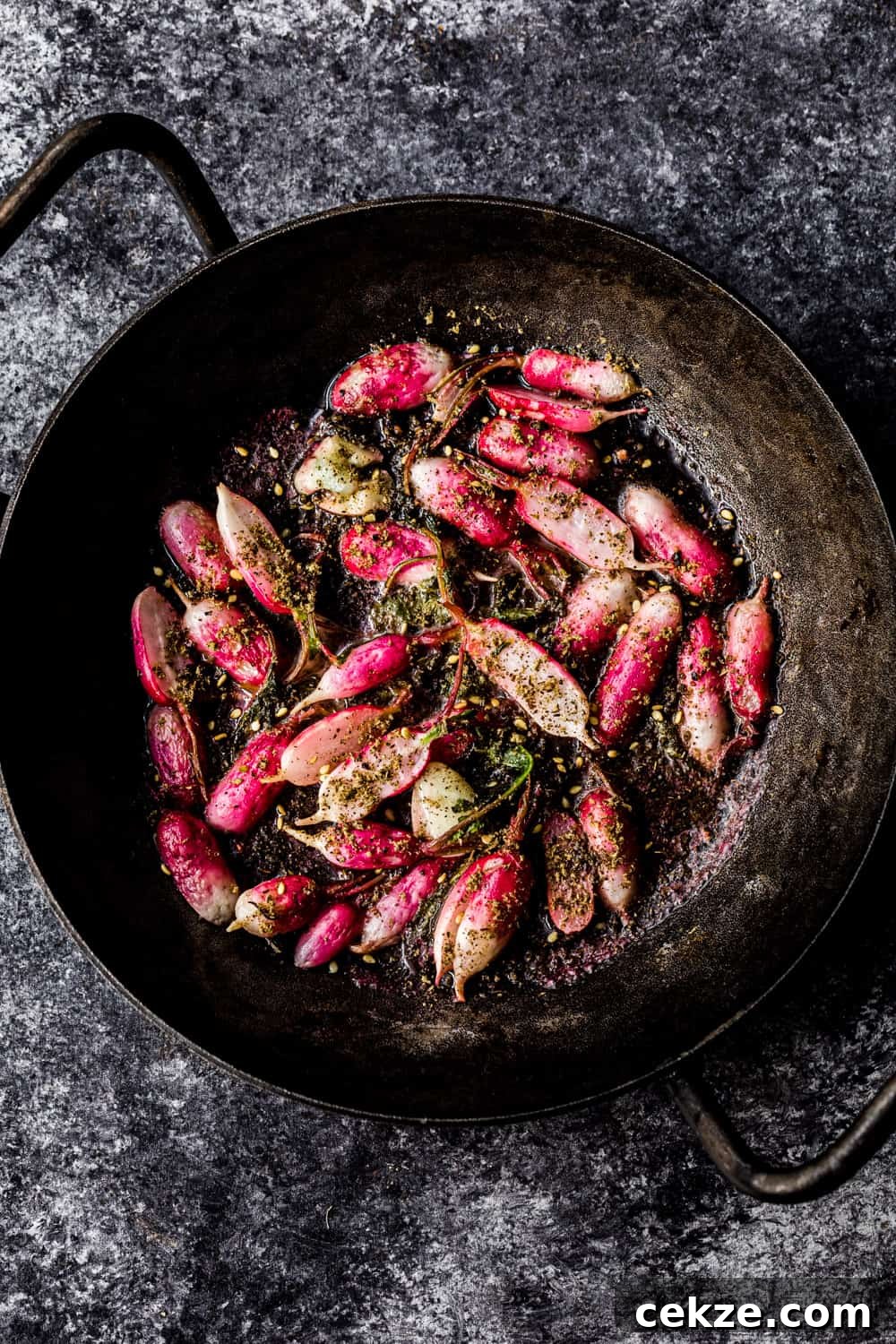
Sauté radishes halved lengthwise with their tops, in olive oil and butter, add a splash of vinegar, then finish with za’atar and flaky sea salt.
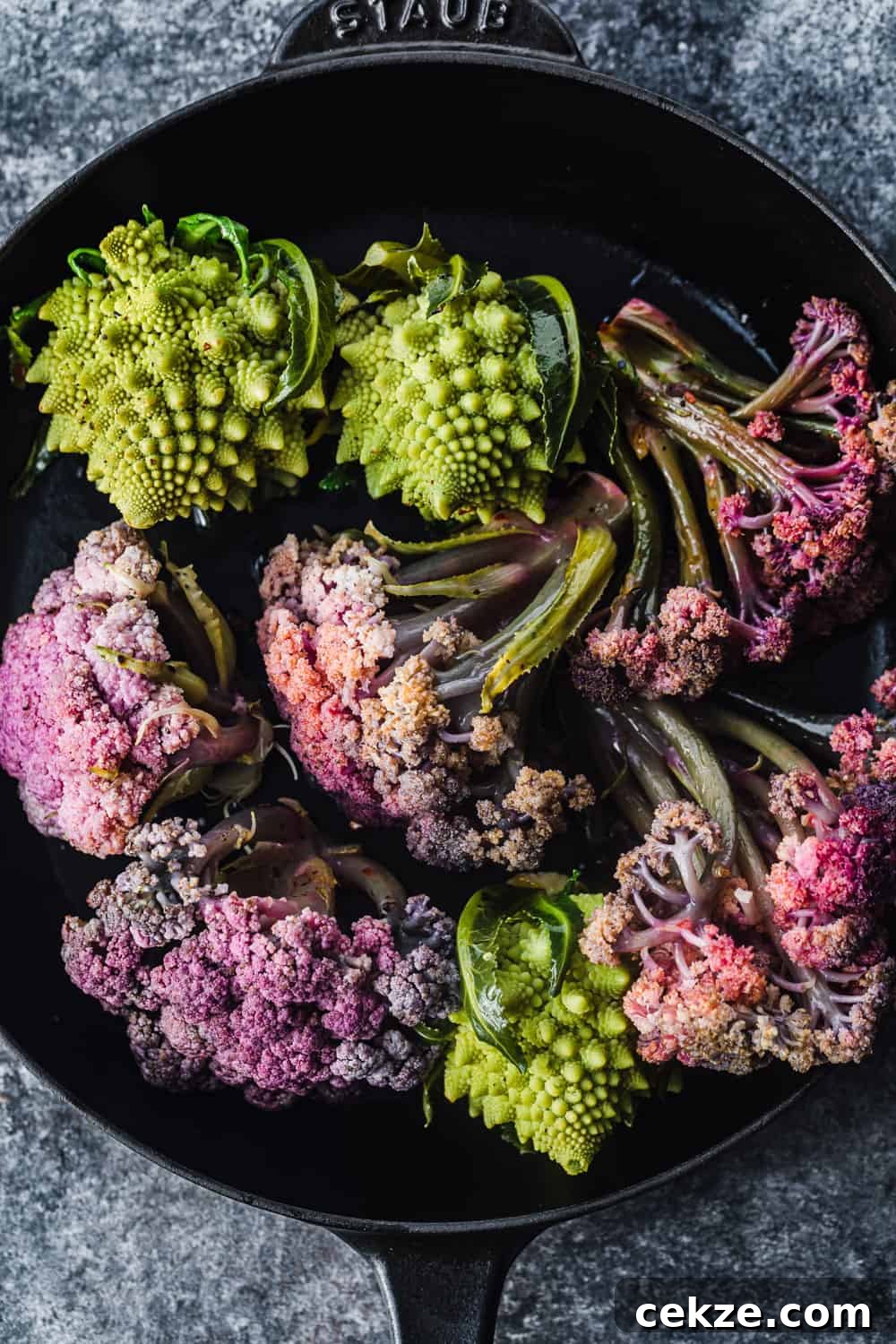
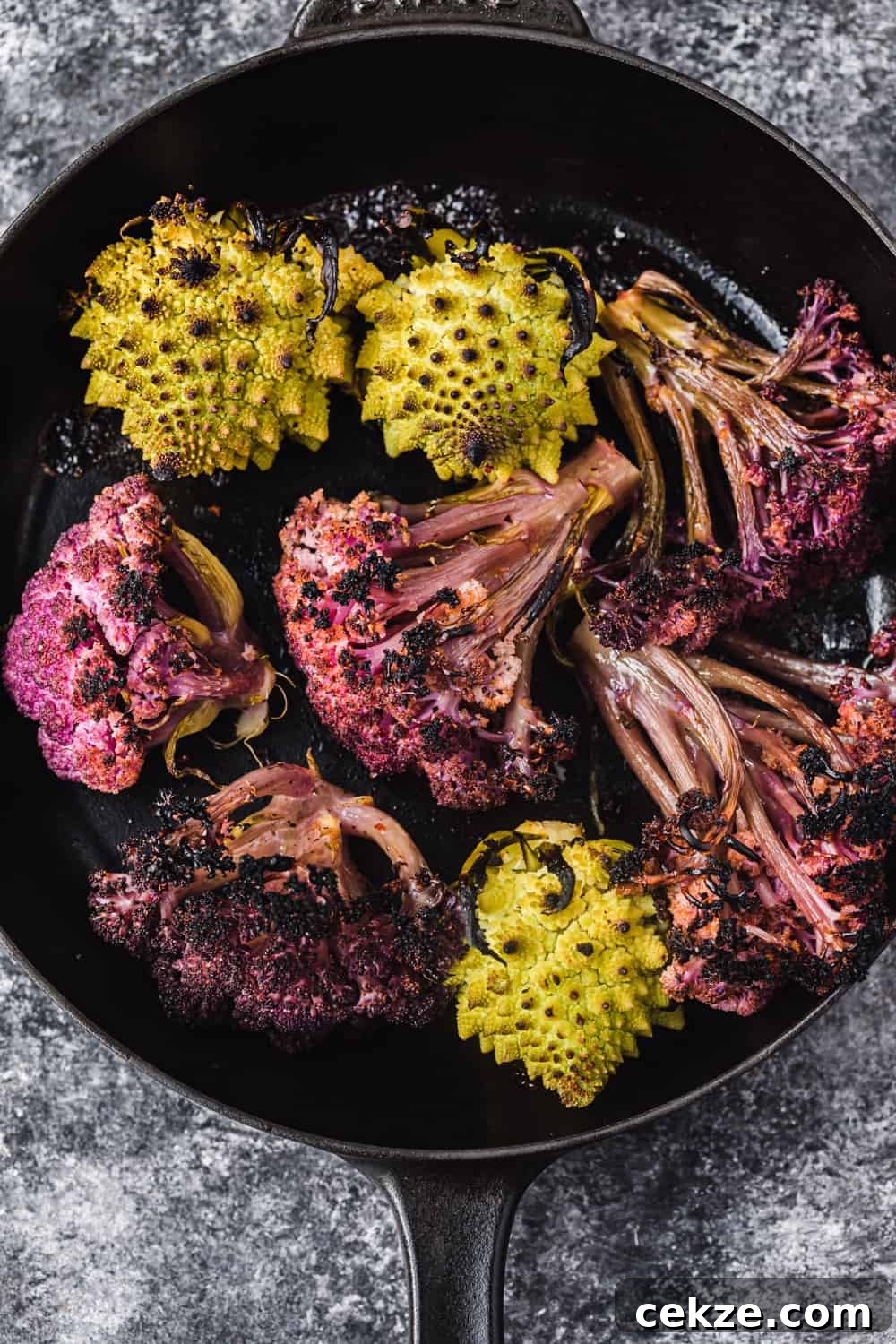
 Braise then roast brassicas (romanesco and cauliflower) if you want a deeper flavor: simmer in a white wine–based braising liquid until tender, drain and roast at high heat, finishing under the broiler to add char. This step is optional—simple roasting works well too.
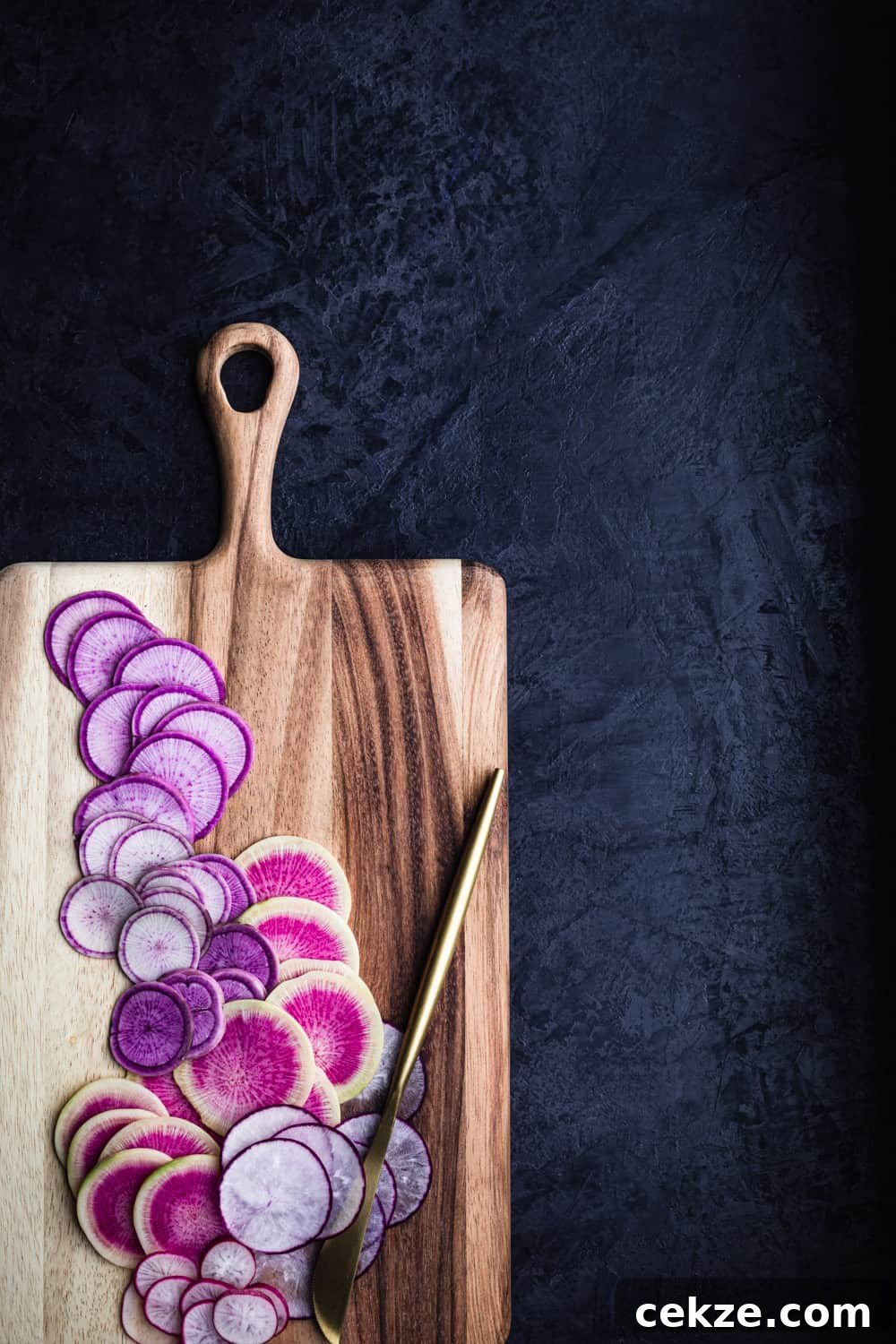
Finish by thinly slicing some raw items—radishes, Chioggia beets, kumquats, or other seasonal produce—to add freshness and contrast.
Other ingredients I used: avocados seasoned with gomasio, whole roasted garlic heads, lettuce, and a vinaigrette on the side. Arrange the prepared components on a rimmed baking sheet or platter with each ingredient grouped together so guests can compose their own plates.
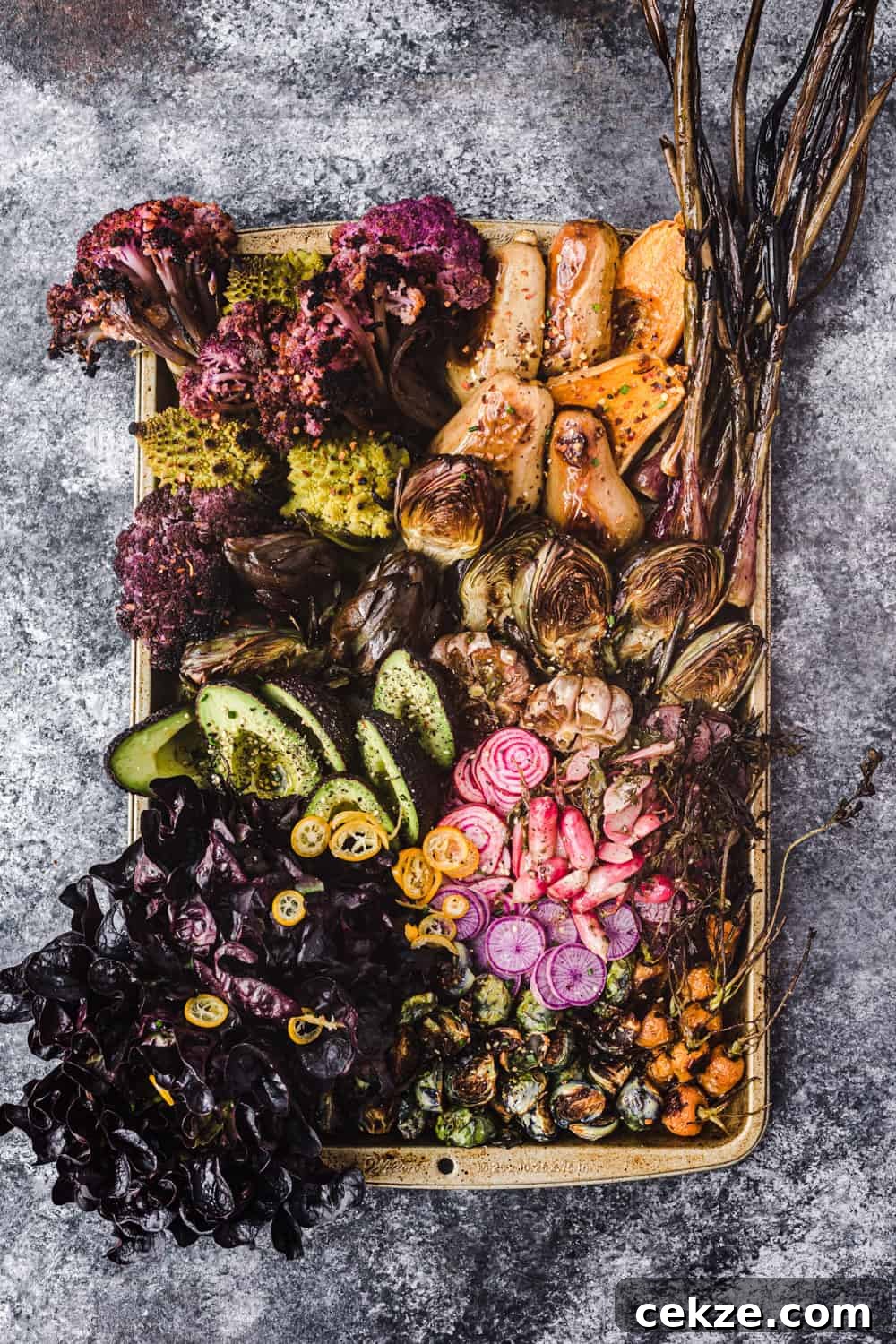
I serve variations of this farmers-market-salad-adventure year-round, changing the ingredients with each season. My favorite way to cook is to start with the best local ingredients I can find and build a dish around them.
Cooks Tips
• Buy local and organic when possible.
• Quality matters: choose the freshest produce you can find.
• Pick a range of textures and flavors to keep the salad interesting.
• Adjust serving size easily.
• For potlucks: assemble on a rimmed baking sheet and cover tightly with plastic wrap to transport.
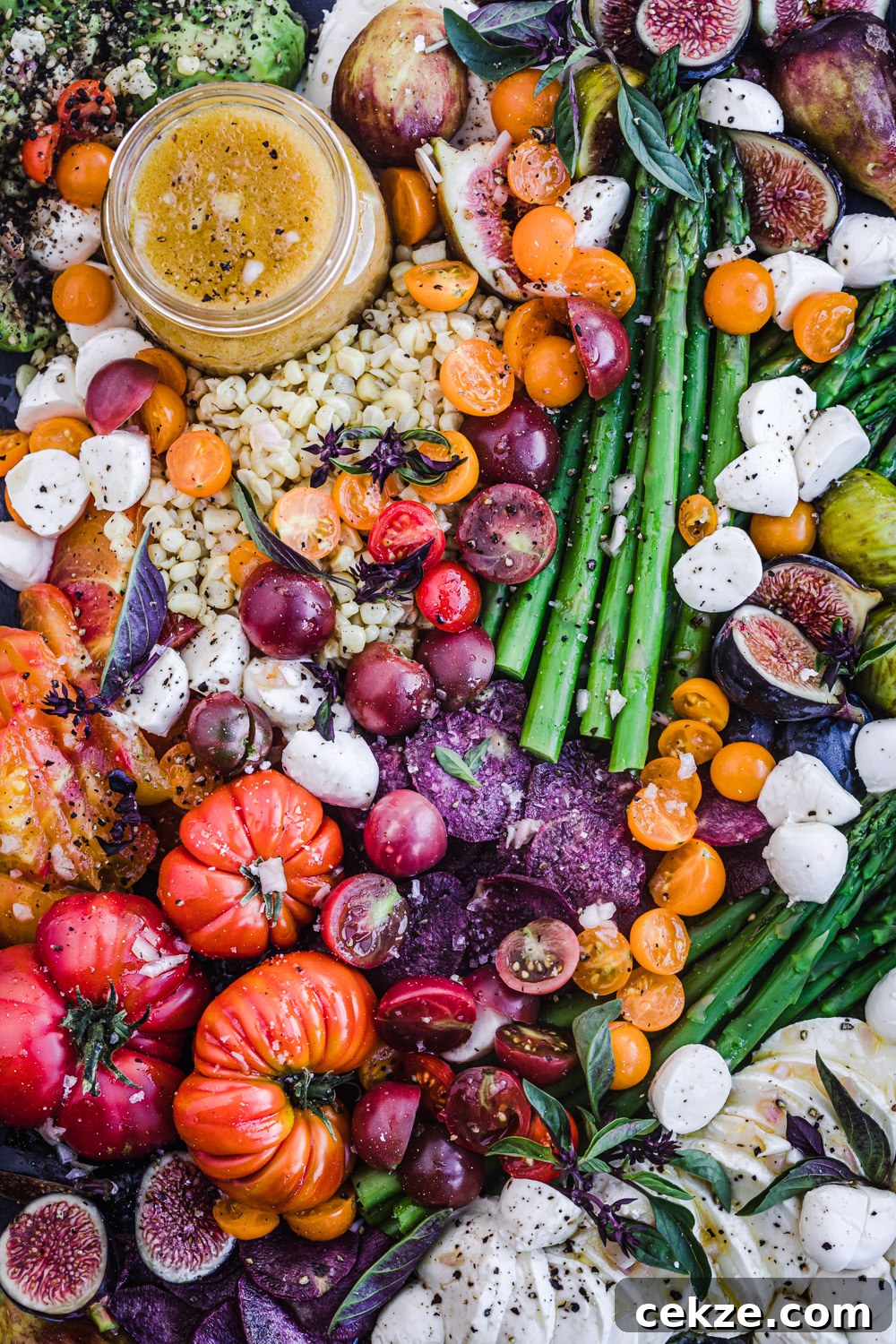
Seasonal examples: in summer I include corn, asparagus, tomatoes, figs, and basil; in early fall I might still find late-season corn in California; in full fall I lean into squash, apples, pomegranates, and root vegetables. Sometimes I place a roasted or pan-seared piece of salmon in the center for a protein-focused board.
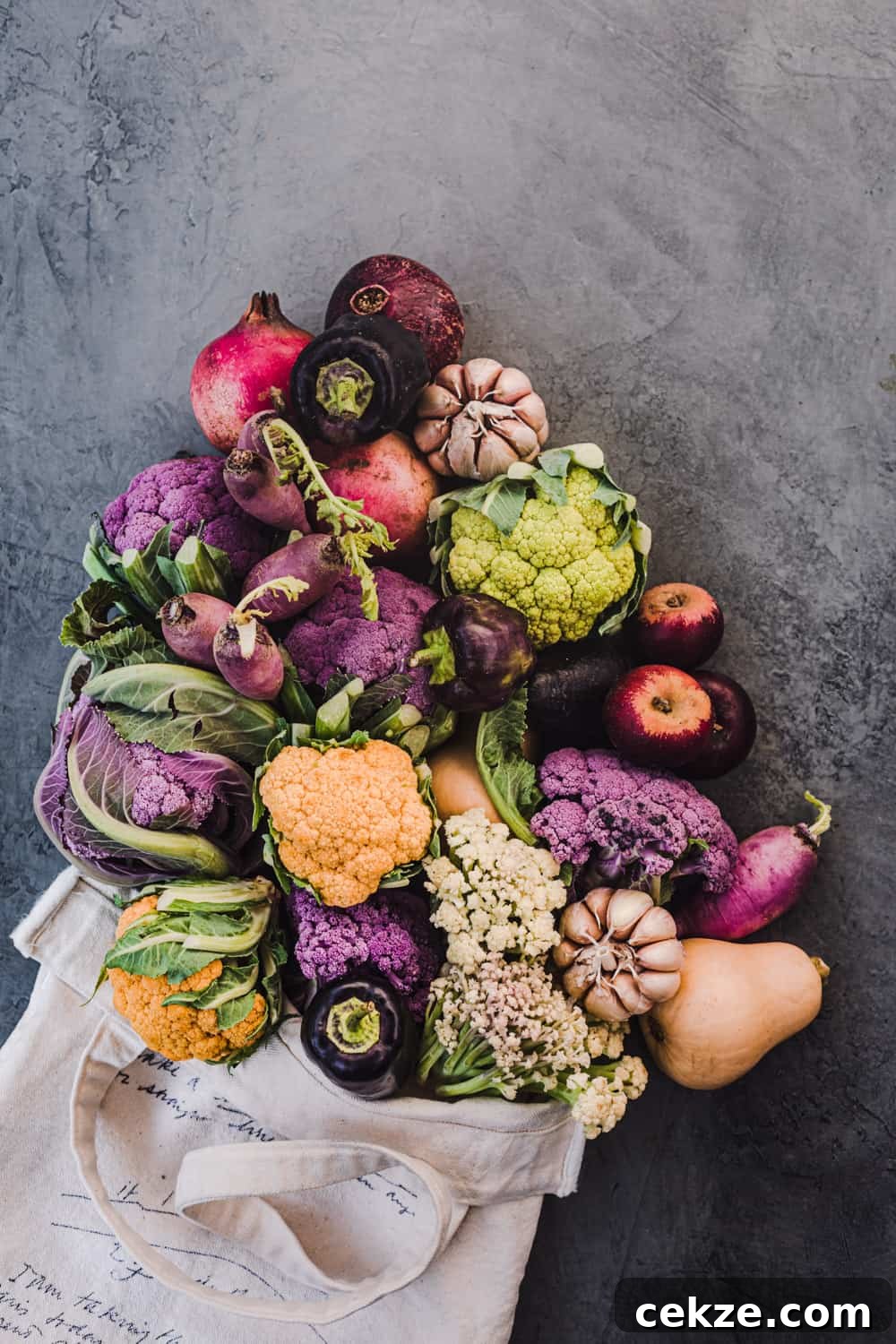
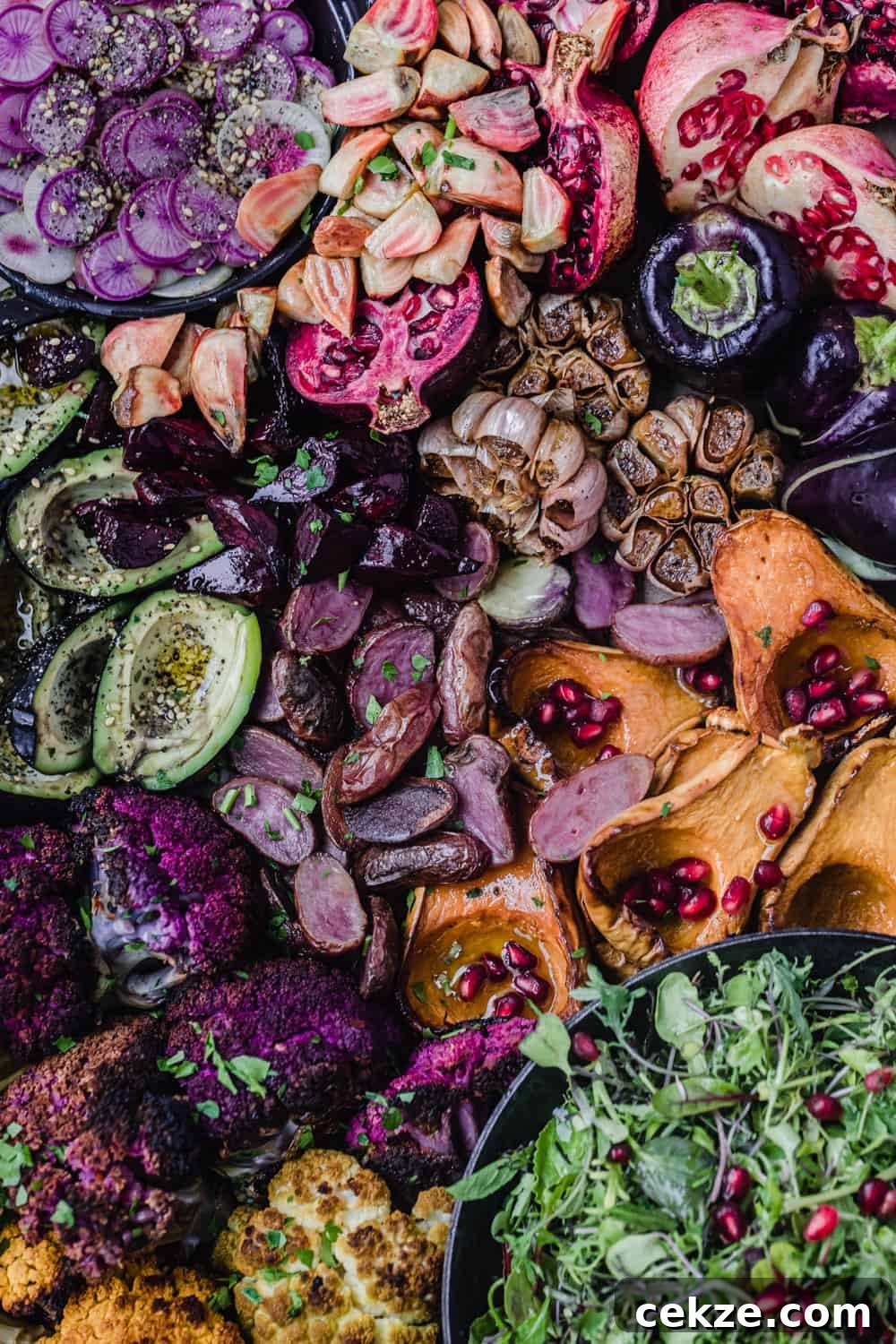
All you need to make this truly excellent is fresh, high-quality farmers market ingredients. The arrangement and variety are what make it special—so have fun with colors, textures, and seasonal surprises.
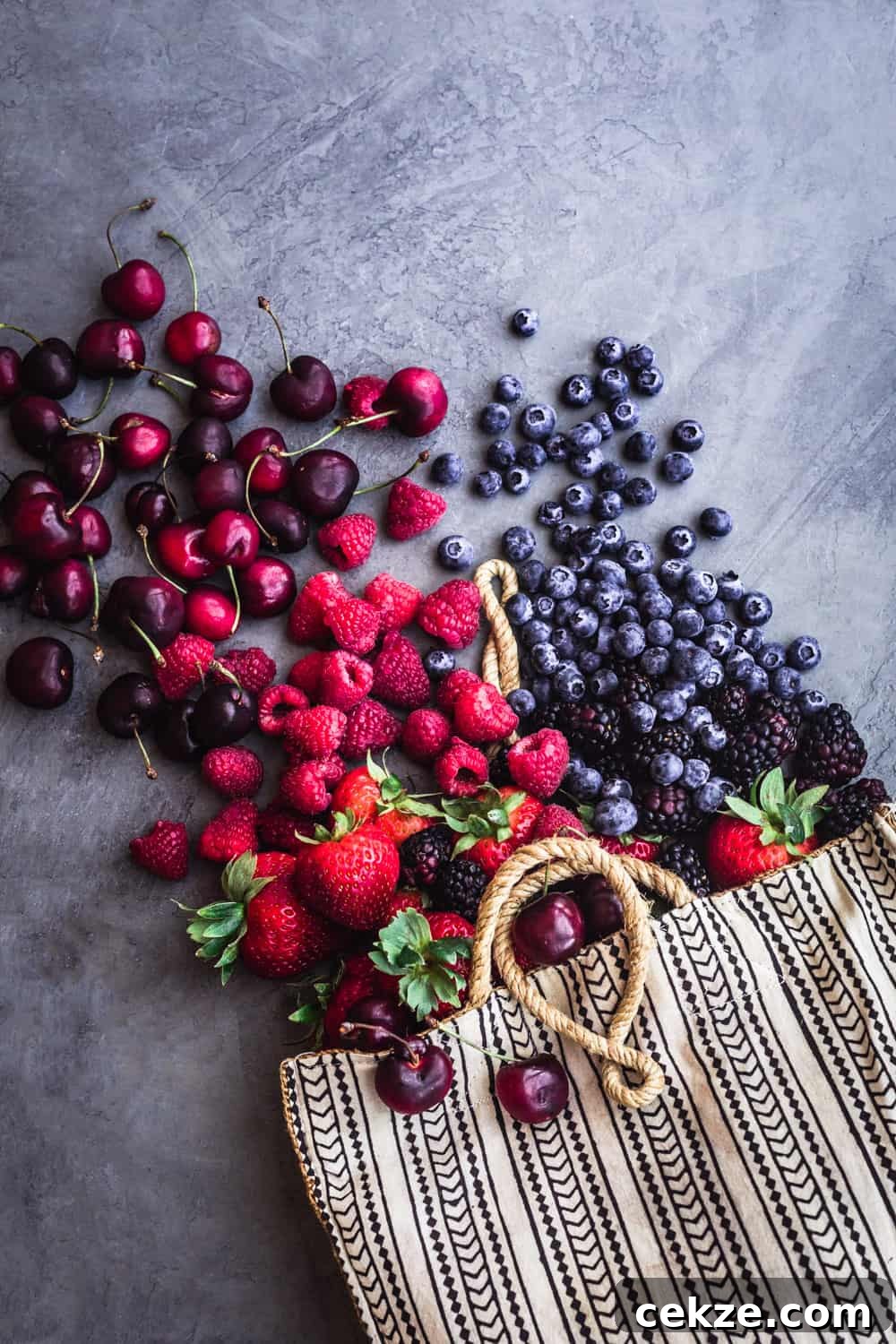
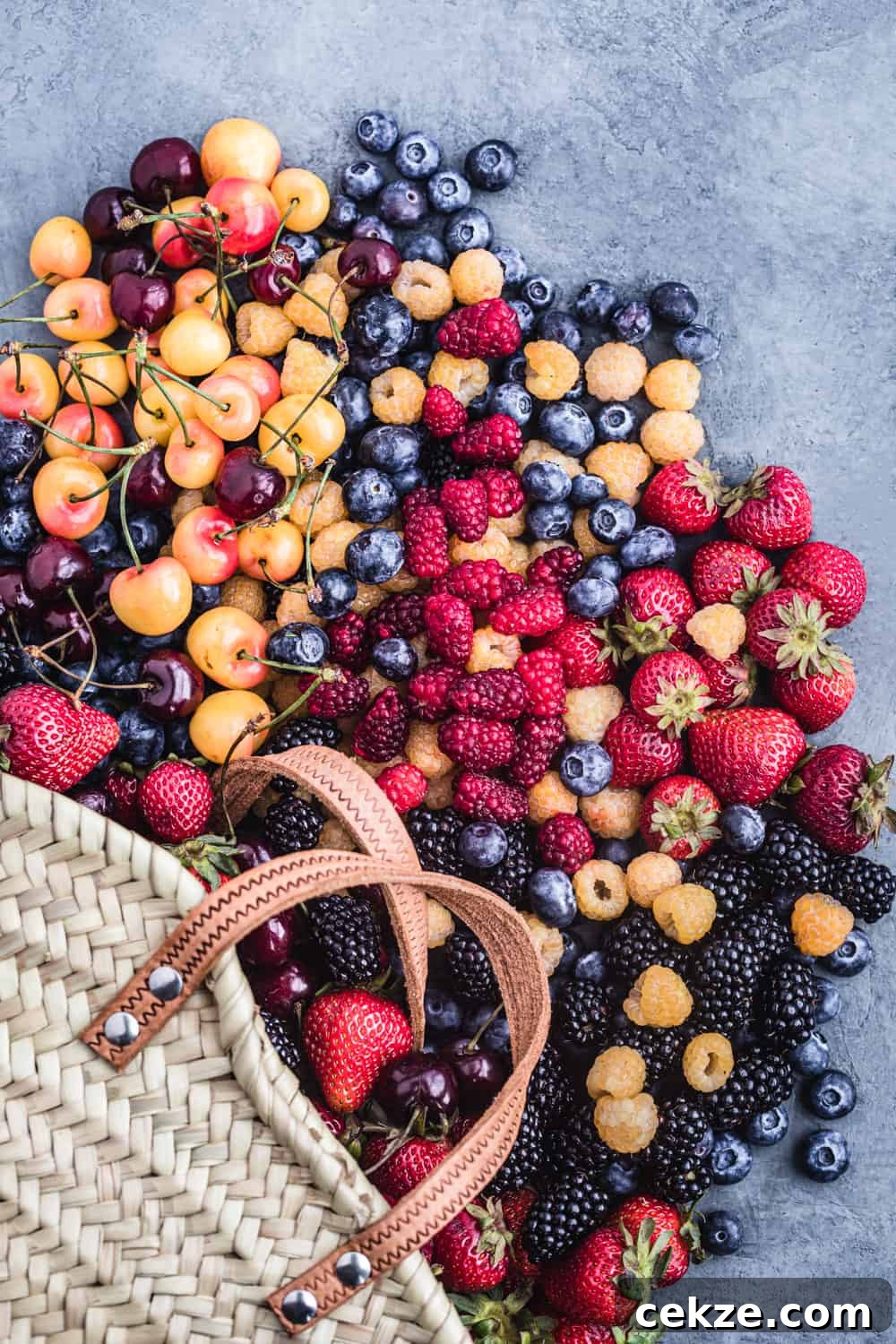
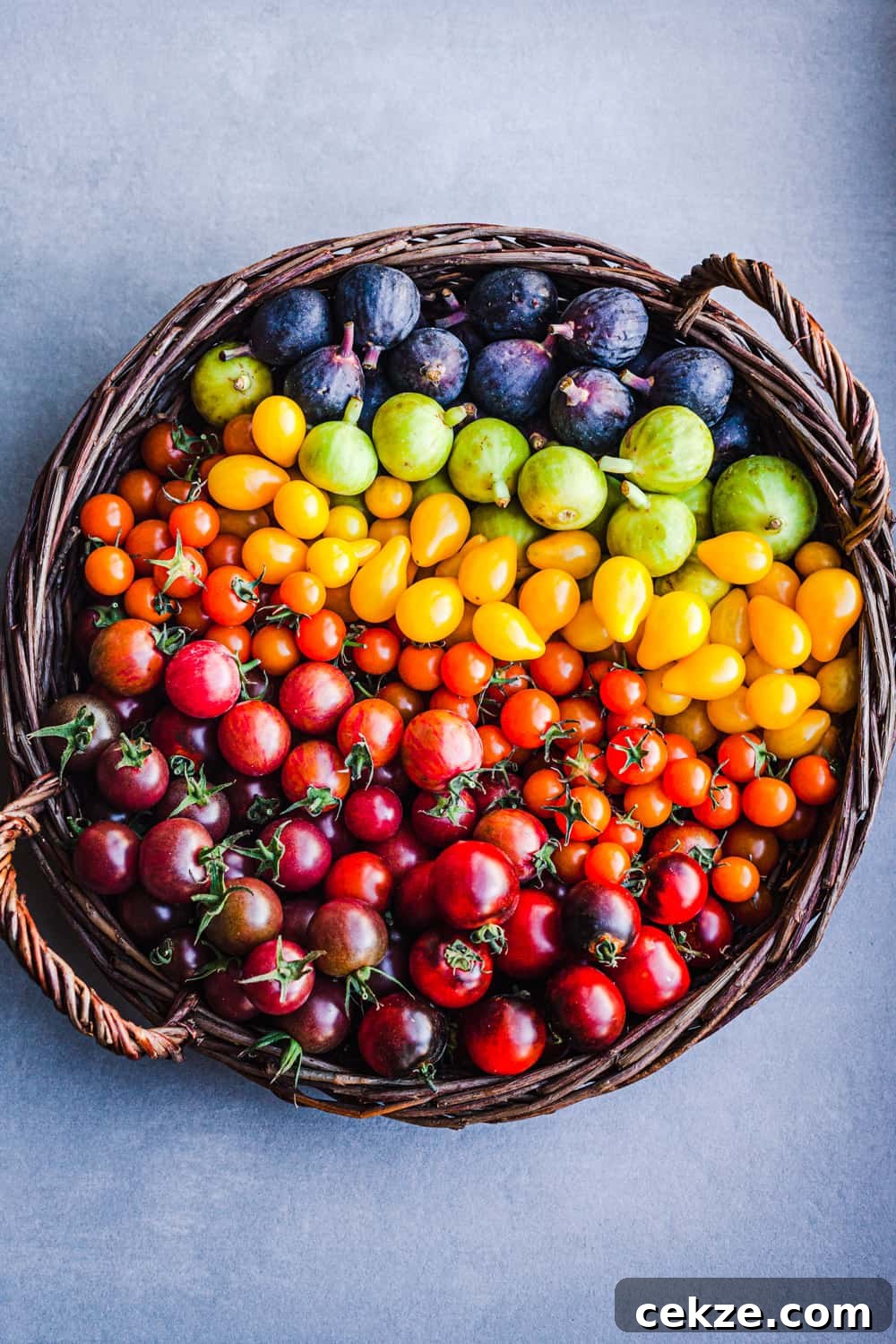
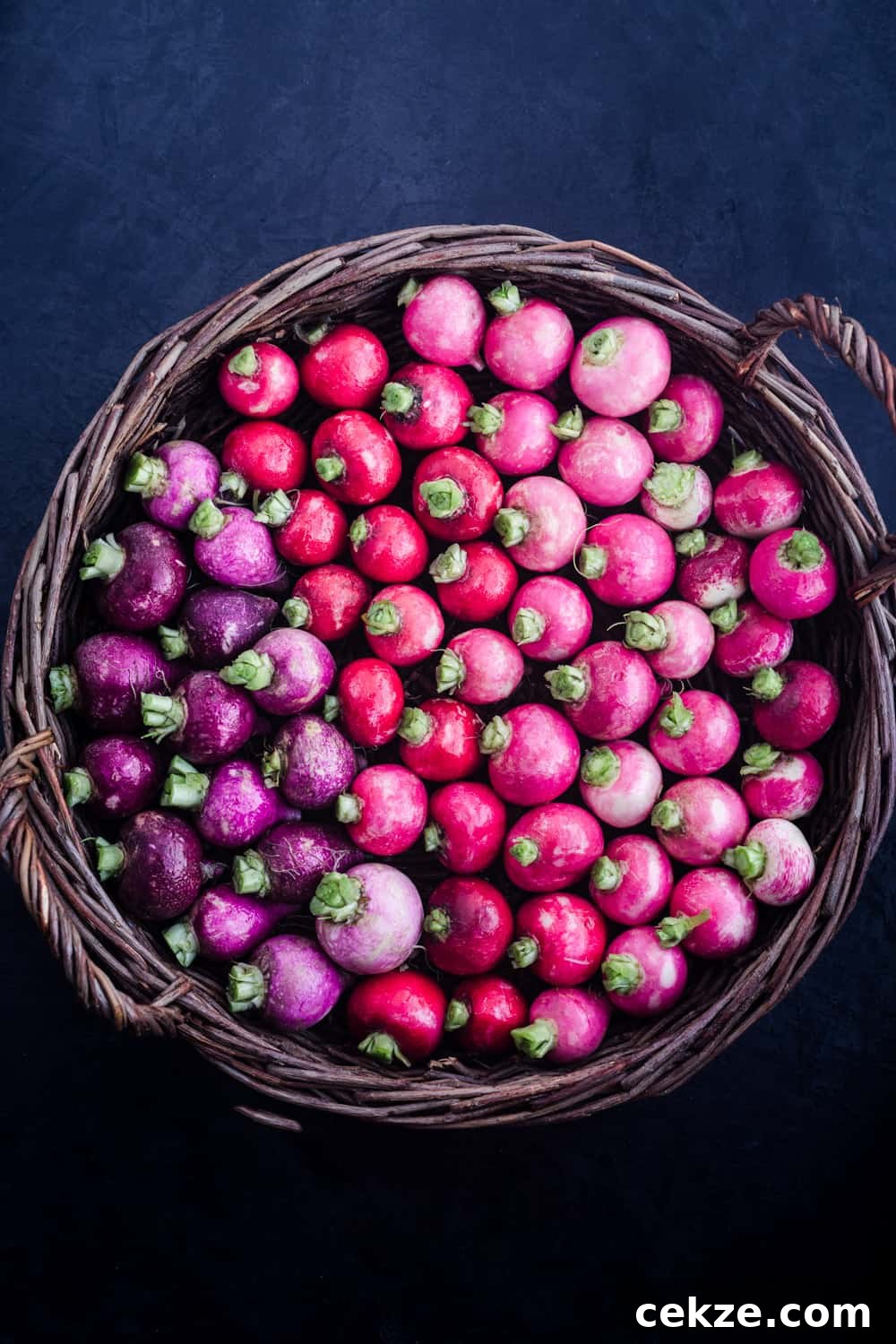
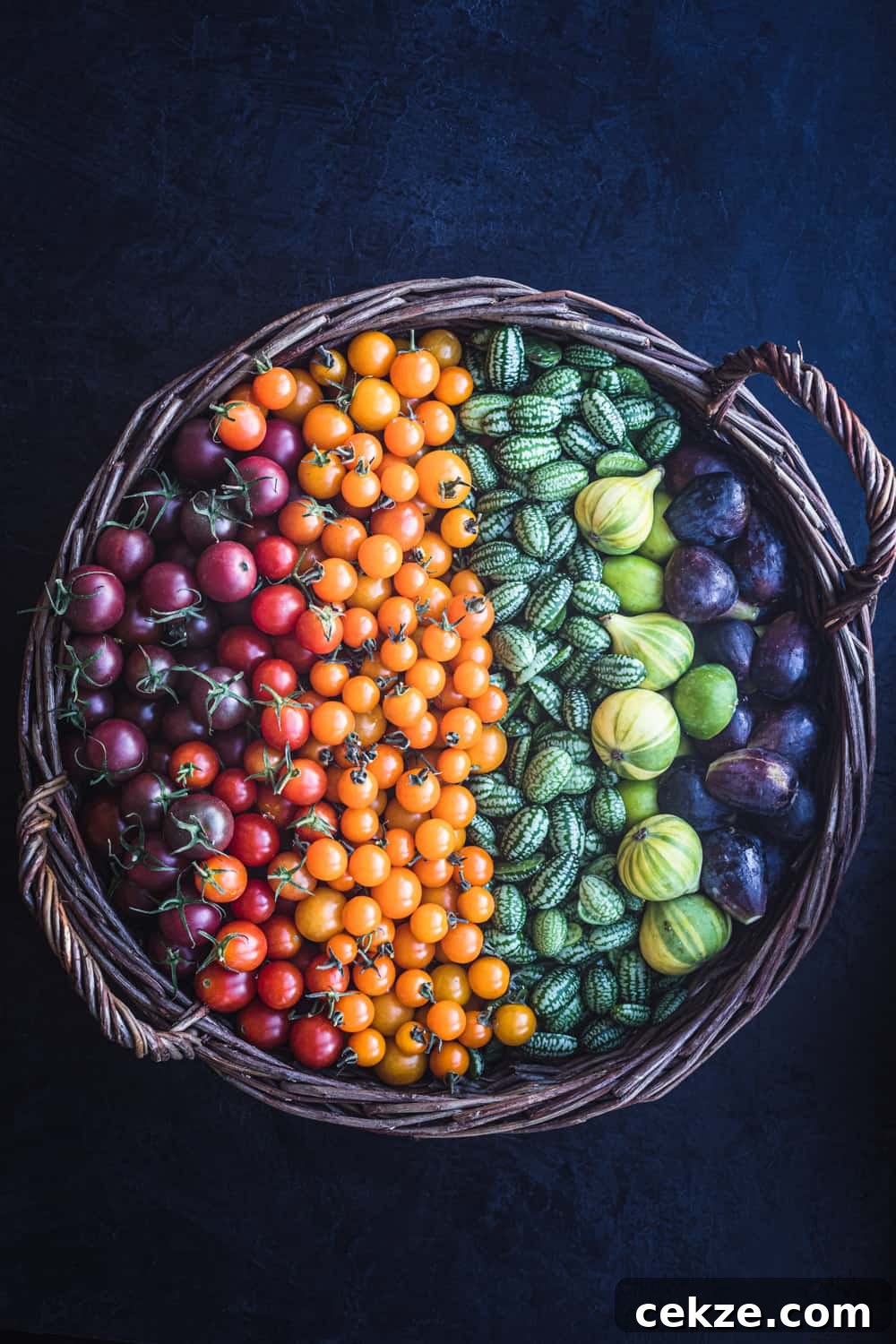
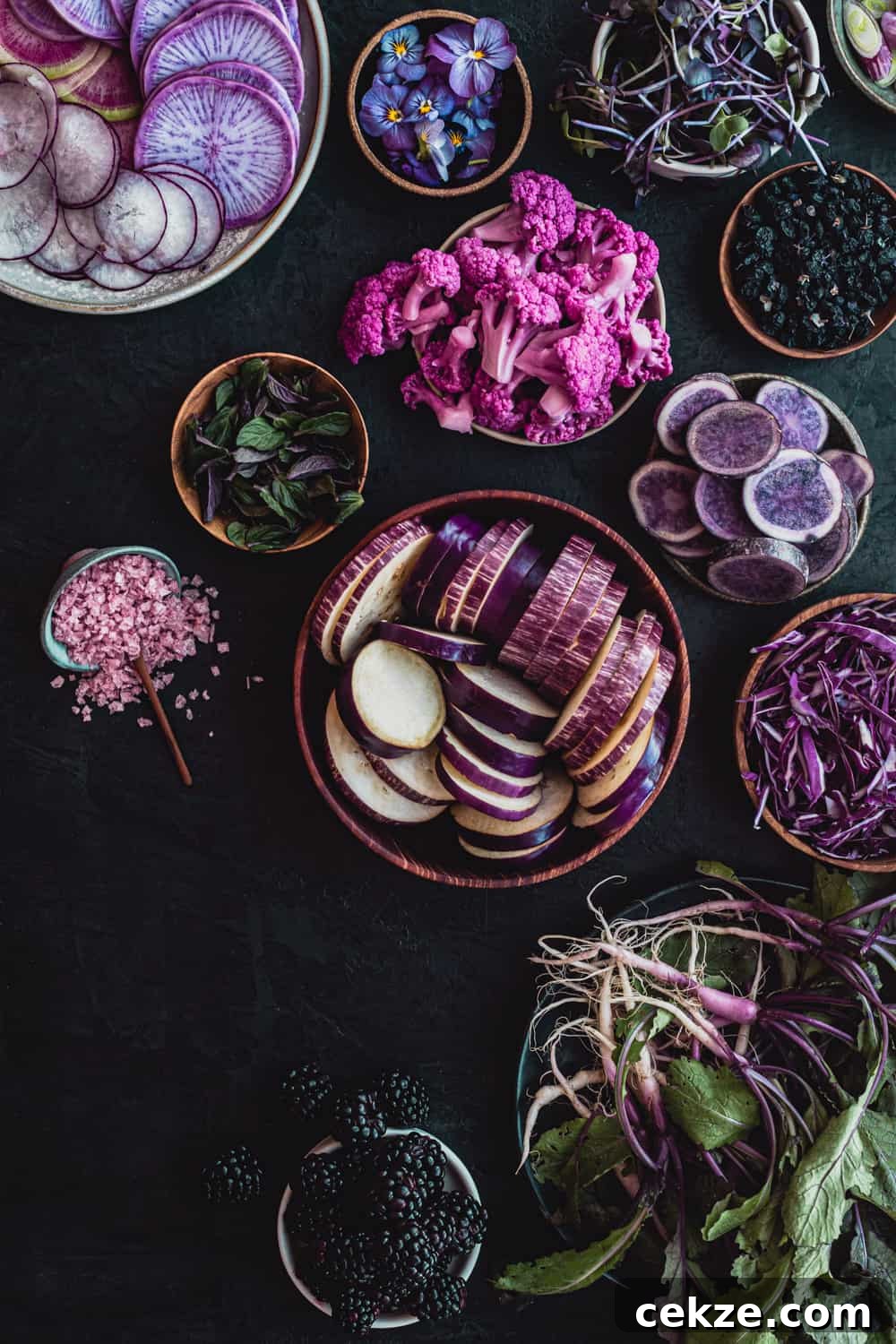
Let’s make waves in the kitchen—shop the farmers market, gather seasonal finds, prep thoughtfully, and arrange them so friends and family can build their own farmers-market-salad-adventure.
Print Recipe
Farmers Market Salad
Ingredients
Roasted Baby Butternut Squash
- 3 baby butternut squashes
- 2 tablespoons melted butter or olive oil
- 1 tablespoon honey or maple syrup
- 1 teaspoon chili flakes
- Kosher salt & freshly ground black pepper to taste
Olive Oil Spring Onions
- 2 bunches spring onions
- 2/3 cup extra virgin olive oil
- Kosher salt & black pepper to taste
- Flaky sea salt to finish
Baby Carrots
- 1 bunch baby carrots (larger carrots can be halved lengthwise)
- 1 tablespoon extra virgin olive oil
- Kosher salt & black pepper
- Flaky sea salt to finish
Potatoes
- 1 pound potatoes, thinly sliced (~1/8 inch)
- 2 tablespoons olive oil
- Kosher salt & black pepper
- Flaky sea salt to finish
Brussels Sprouts
- 1 pound Brussels sprouts, trimmed and halved
- 2 tablespoons extra virgin olive oil
- Kosher salt & black pepper
- Flaky sea salt to finish
Radishes
- 2 tablespoons extra virgin olive oil
- 1 bunch radishes, halved lengthwise, tops left on
- Kosher salt & black pepper
- Splash of white or red vinegar
- 1 tablespoon unsalted butter
- 1 tablespoon za’atar
- Flaky sea salt to finish
Brassicas — Romanesco & Cauliflower
- 3 cups dry white wine
- 1/3 cup olive oil
- 5 cups water
- 1 lemon, juiced
- Sugar, bay leaf, crushed red pepper flakes, salt & pepper to taste
- Baby Romanesco & cauliflower (about 3 lbs total) or full-size brassicas
Whole Roasted Garlic
- 1 or more heads of garlic
- 1 teaspoon olive oil per head
- Kosher salt & black pepper
Other Salad Ingredients
- ½ pound thinly sliced radishes
- ½ pound thinly sliced Chioggia beets (or other beets; can roast if preferred)
- 3 avocados, halved, brushed with olive oil, flaky sea salt, and gomasio
- Handful of thinly sliced kumquats
- Lettuce and fresh herbs
- Vinaigrette for serving
Instructions
- Butternut squash: Preheat oven to 425°F. Arrange squash cut side up on a baking sheet. Brush with butter or oil, drizzle with maple syrup, season with salt, pepper, and chili flakes. Roast until tender, about 30 minutes. Finish with flaky sea salt and set aside.
- Spring onions: Preheat oven to 425°F. Toss onions in olive oil, season with salt and pepper, and roast 25–30 minutes until bulbs are tender and tops are golden. Reserve onion-infused oil for dressing. Finish with flaky sea salt and set aside.
- Carrots: Preheat oven to 425°F. Toss carrots with olive oil, salt, and pepper. Roast 20–30 minutes depending on size until soft and slightly caramelized. Finish with flaky sea salt and set aside.
- Potatoes: Preheat oven to 425°F. Toss thin slices with olive oil, spread in a single layer, season, and roast 30–35 minutes until golden and crispy, flipping once halfway. Set aside.
- Brussels sprouts: Preheat oven to 475°F. Toss sprouts with olive oil, season, arrange cut side down, and roast about 20 minutes until browned and crisp. Finish with flaky sea salt and set aside.
- Romanesco & cauliflower: Preheat oven to 475°F. Bring wine, olive oil, water, lemon juice, sugar, bay leaf, red pepper flakes, salt, and pepper to a boil. Add brassicas, reduce to a simmer, and cook 15–20 minutes until fork tender. Drain and roast on a rimmed sheet for about 15 minutes, finishing under the broiler for char.
- Garlic: Preheat oven to 400°F. Trim papery outer layers, slice ¼–½ inch off the top of each head to expose cloves. Drizzle each head with olive oil, season, wrap in foil, and roast about 40 minutes until soft and lightly browned. Set aside.
- Radishes: Heat olive oil in a skillet over medium. Add halved radishes, season, and cook until tender and greens wilt. Add a splash of vinegar and butter, turn off the heat, and finish with za’atar and flaky sea salt. Set aside.
- Assembly: On a large rimmed baking sheet, board, or platter, group each prepared ingredient attractively. Add toppings like fresh herbs, flaky sea salt, black pepper, gomasio, seeds, or nuts. Serve with lettuce and vinaigrette on the side so guests can build their own plates with tongs.