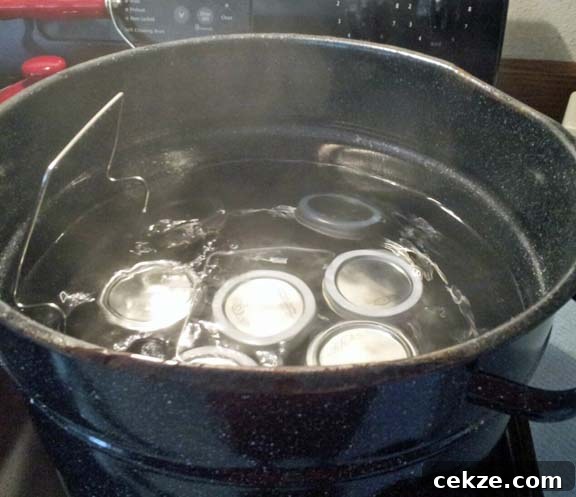
Water bath canning is a simple, time-tested method for safely preserving high-acid foods like fruits, pickles, jams, and jellies. While it’s not complicated, following proper steps ensures safe, consistent results. Below is a clear, practical guide to water bath canning that covers the essential equipment, preparation, processing, and storage tips you need for successful home canning.
Essential equipment
- Large, deep pot with a fitted lid and a rack or folded towel for jars to rest on while processing
- Glass canning jars with two-part lids (flat sealing disc and screw band)
- Jar lifter, funnel, and wide spatula or bubble remover
- Clean towels and a timer
Preparation
Start with clean jars and fresh lids. Wash jars in hot, soapy water and rinse well, or run them through a dishwasher. Keep jars hot until filling to reduce the chance of breakage—either by leaving them in hot water or in a warm oven. Use new sealing discs each time; screw bands can be reused if they are not bent or rusty.
Filling the jars
Use a canning funnel to fill jars, leaving the recommended headspace for the recipe—typically 1/4 inch to 1/2 inch depending on the food. Remove air bubbles by sliding a nonmetallic spatula around the inside of the jar. Wipe the jar rim with a clean, damp cloth to ensure a good seal, then place the flat lid centered on the jar and screw the band down until fingertip-tight—secure but not overly tight.
Preparing the water bath
Place the rack or folded towel in the bottom of the canner and add enough hot water to cover the tops of the jars by at least 1 to 2 inches when they are in the pot. Heating the water before adding jars helps avoid jar breakage. Gently lower the filled jars onto the rack so they sit upright and are not touching one another.
Processing time
Bring the water to a full, rolling boil and start your timer once the water returns to a boil. Processing times vary by recipe, jar size, and altitude. Always follow a tested recipe for correct processing time. After processing, turn off the heat and let jars sit in the water for 5 minutes before removing.
Cooling and checking seals
Remove jars using a jar lifter and place them on a towel or cooling rack, leaving space between jars for air circulation. Allow jars to cool undisturbed for 12 to 24 hours. You’ll hear a pop as lids seal. After cooling, remove the screw bands and press the center of each lid—if it is concave and does not flex up and down, the jar is sealed. Any unsealed jars should be refrigerated and used first or reprocessed promptly following a trusted recipe.
Labeling and storage
Label jars with contents and date. Store sealed jars in a cool, dark, dry place away from direct sunlight. Properly processed and stored high-acid foods will keep for 12–18 months; quality may decline after that even if the seal remains intact.
Safety reminders
- Always use recipes from reliable sources that have been tested for safety.
- Do not alter proportions of vinegar, sugar, or lemon juice in recipes; acidity and processing time are critical for safety.
- Discard any jar with signs of spoilage—off smell, mold, leaking, or an unsealed lid.
For a printable, step-by-step reference, download the Step-by-Step Water Bath Canning Guide linked below.
Step-by-Step Water Bath Canning Guide
You can also find this tutorial on our Resources page for quick reference while canning.