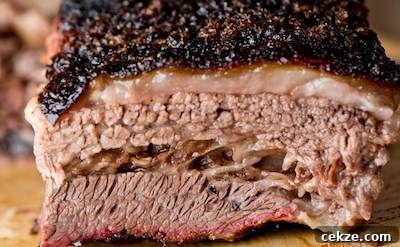
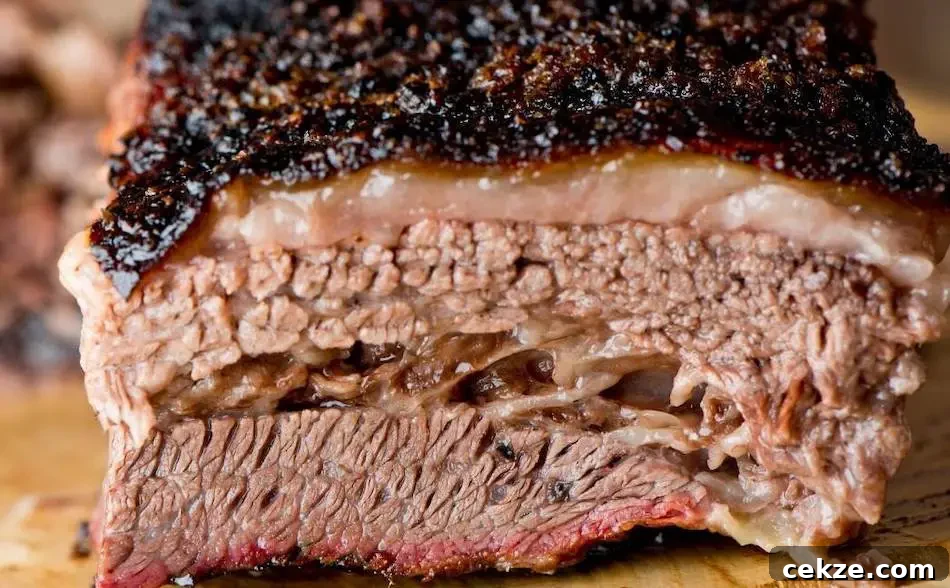
Brisket is a richly flavored, versatile cut of beef that shines when smoked low and slow. What many people don’t realize is that a whole brisket is made of two distinct muscles: the point and the flat. Each muscle has different characteristics and responds best to different cooking methods. Below we explain the differences between the brisket point, the brisket flat, and the full packer brisket, and offer practical tips for preparing each.
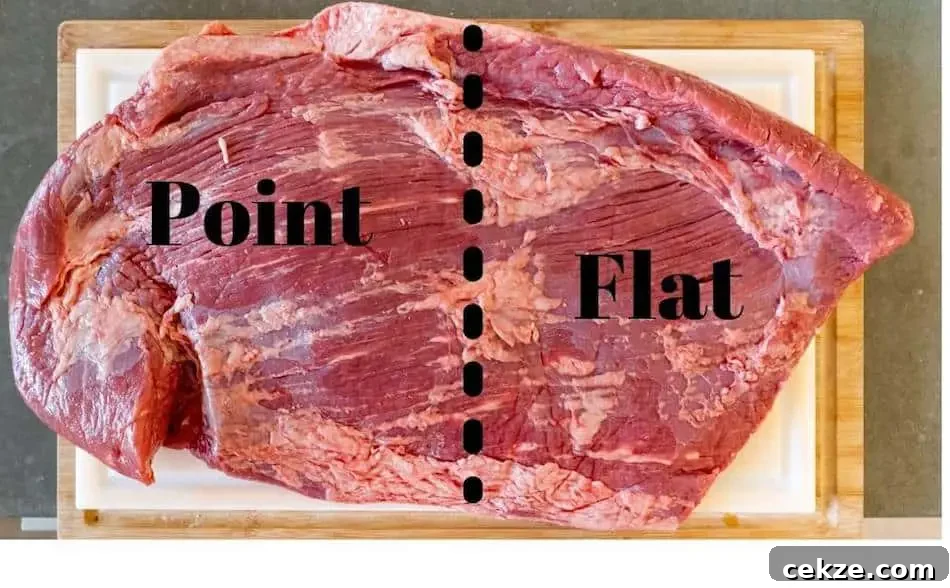
The brisket point is part of the pectoral muscle on the forequarter of the cow. Brisket consists of two main muscles: the point and the flat. The point is thicker and rounder, with abundant fat and connective tissue, while the flat is thinner and leaner with very little fat. Because of its marbling and fat content, the point is generally considered the more flavorful portion. The flat has less natural fat, so it can dry out more easily and requires more careful cooking.
Key Points
- Brisket is composed of two muscles: the point and the flat.
- The point is thick and fatty; the flat is thin and lean.
- The point usually offers more flavor and juiciness due to higher marbling.
- The flat can dry out if not cooked carefully, but makes excellent sliced roast or sandwich meat.
- Marbling—white fat streaks in the meat—greatly affects tenderness and taste.
- Brisket is sold as a flat, point, or whole packer brisket; points are sometimes harder to find.
- The point is ideal for burnt ends; the flat is commonly served sliced thin.
- Smoking a brisket point can take 8–14 hours or longer, depending on size and temperature.
- Wrapping in foil or butcher paper helps retain moisture during cooking.
A Comparison of Texture and Tenderness
| Muscle | Description | Flavor | Cooking |
|---|---|---|---|
| Point | Thick, round muscle with considerable fat and connective tissue | Richer and more flavorful thanks to higher fat content | Great for burnt ends or smoked separately |
| Flat | Thin, lean muscle with minimal fat and sinew | Leaner and milder in flavor | Often cooked as a roast or thinly sliced for sandwiches |
The Flat: Leaner and Easier to Cook, But Lacking in Fat
Many pitmasters prefer the point because its fat and connective tissue keep the meat moist and transform into a luscious, gelatinous texture during long cooks. The flat, being leaner, needs more attention to avoid drying out. Still, a well-cooked flat is delicious: slice it thin for sandwiches, or use it in recipes like corned beef. Cooking techniques such as wrapping and adding moisture can help preserve tenderness.
| Muscle | Pros | Cons |
|---|---|---|
| Point | More flavorful due to marbling; very tender when rendered; ideal for burnt ends | Longer cook time; requires time for fat/connective tissue to render |
| Flat | Lean and cooks faster; great for lean roast or deli slices | Less flavorful; prone to drying if overcooked |
The Point: Fattier and More Flavorful
The brisket point contains more marbling, which gives it superior flavor, juiciness, and tenderness. Marbling—the white fat running through the meat—melts during cooking and makes the meat almost buttery. When shopping, aim for brisket with good marbling within your budget. USDA grades such as Choice and Prime show more marbling than Select. For exceptional marbling, Wagyu is unmatched, though it is significantly more expensive.
Shopping for a Point
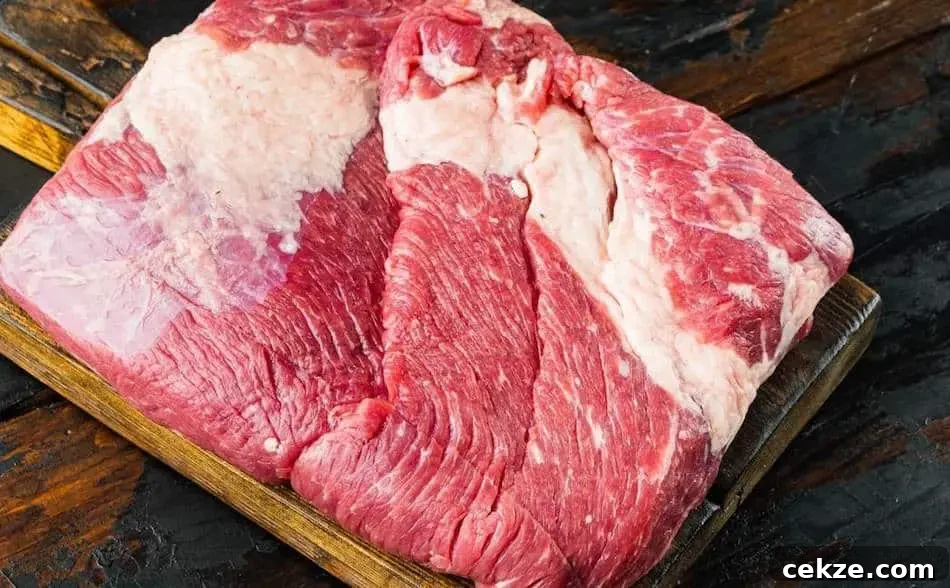
Butchers commonly sell brisket as a flat, a point, or a whole packer brisket. In some regions, flats or whole briskets are more common and points may be harder to source. If points aren’t available, buy a whole packer and separate the muscles yourself. Whole briskets typically weigh 7–15 pounds; a standalone point usually weighs around 4–6 pounds or more.
Separate the Point and the Flat
Buying a whole brisket and separating the point and flat allows you to cook each muscle optimally. Use a sharp knife and cutting board. Find the fat seam between the muscles and carefully slice along this natural seam to separate them. Once divided, you can cook the point and flat differently—use the point for burnt ends and the flat for thin slices or roasts.
The point is excellent for burnt ends: cube it after cooking and caramelize with sauce. The flat is typically sliced thin for sandwiches or used in other preparations. Separating the muscles ensures you slice each piece against its grain for maximum tenderness.
Burnt Ends: Use the Point
Burnt ends come from the brisket point. These are cubed, smoked pieces of meat that are cooked until tender and then coated in a sweet-savory sauce so they become sticky and caramelized. The point’s higher fat content keeps the cubes moist and flavorful through the extended cooking and saucing stages. For burnt ends, separate the point, cube it, and return the pieces to the heat to develop the glaze.
The point is far better suited for burnt ends than the flat due to its fat and flavor. The flat is often left whole and sliced as a roast.
How Long to Cook the Point?
Smoking a brisket point commonly takes 8–14 hours, depending on its size and the smoker temperature. While some suggest an hour per pound as a rule of thumb, many variables affect cook time: smoker consistency, ambient temperature, and how the meat rests. Use internal temperature and feel as your guides rather than strict timing.
How To Smoke A Brisket Point
Trim the fat cap to about 1/4 inch—enough to protect the meat and help form a good bark, but not so much that you remove all fat. Remove any silver skin on the underside. Dry brining with kosher salt overnight is optional but helpful: it seasons the meat and aids moisture retention. Apply a binder like yellow mustard or olive oil if desired to help the rub adhere, then coat with a generous layer of rub.
Brisket Point Recipe
| Step | Description |
|---|---|
| 1 | Trim the fat cap to roughly 1/4 inch and remove silver skin. |
| 2 | Dry-brine with kosher salt and refrigerate overnight (optional). |
| 3 | Apply a binder (mustard or olive oil) to help the rub stick (optional). |
| 4 | Generously apply your rub to the exterior. |
| 5 | Set smoker to 225°F for low-and-slow cooking. |
| 6 | Wrap in foil or butcher paper once the bark is set and firm. |
| 7 | Cook until internal temp approaches 200–203°F or until the meat feels tender. |
| 8 | Rest for at least 30 minutes to an hour before slicing. |
| 9 | Slice against the grain. |
| 10 | Serve with your preferred sides. |
1. Apply a Binder
Applying a binder such as yellow mustard or olive oil before the rub is optional but useful. The binder helps the rub adhere evenly and reduces patchy bark development. It doesn’t impart a noticeable flavor but does promote color and crust formation.
2. Apply a Rub
Coat the brisket point thoroughly with your rub. The rub influences the bark and overall flavor. A simple coarse salt-and-pepper mix (Texas-style) is classic, or choose a barbecue rub you prefer. If using salt in a pre-brine, watch additional salt in store-bought rubs to avoid over-seasoning.
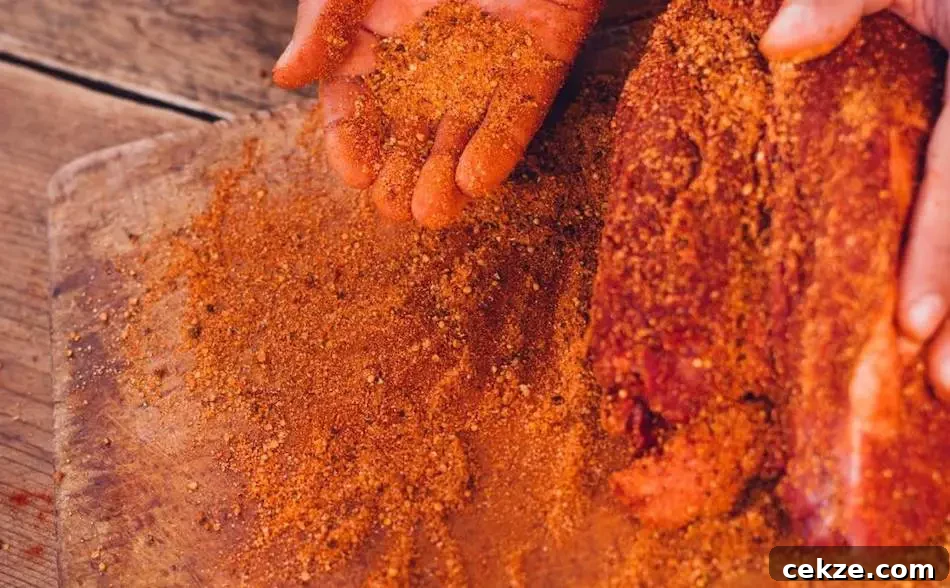
Store-Bought Rubs
Store-bought rubs are convenient but can be high in salt. If you brined the meat, adjust seasoning accordingly. Many cooks prefer making their own rub to control ingredients and balance.
3. Set The Temperature of Your Smoker
225°F is the standard low-and-slow temperature for brisket, producing consistent results. If you need a faster cook, you can start at 225–250°F and raise the heat after wrapping, but 225°F is the safest choice for beginners.
4. Wrap The Brisket
Wrapping in foil or unwaxed butcher paper traps moisture and speeds cooking once a good bark has formed. Only wrap once the bark is firm—test by touching the rub; if it still sticks to your finger it’s not ready. Wrap in two layers of foil or in butcher paper, insert a thermometer probe, and return to the smoker or transfer to an oven to finish.
5. Done Temperature
The brisket point is often done around 200–203°F internal temperature, but feel matters most. A properly cooked brisket will offer little resistance when probed and should feel almost buttery—use your probe or a toothpick to test tenderness.
6. Resting Brisket
Rest the brisket at least 30 minutes, ideally up to an hour. Resting redistributes juices so they won’t pour out when you slice. This step preserves tenderness and moisture.
7. How To Slice Brisket
Always slice against the grain for maximum tenderness. Because the point and flat have different grain directions, separate them before slicing and cut each portion appropriately. Only slice what you need; leftover brisket keeps better when stored as a whole piece rather than pre-sliced.
Hot and Fast Brisket
Hot-and-fast methods cook brisket in 5–7 hours by raising the temperature into the 300–350°F range. This saves time but usually sacrifices some smoke flavor and the full breakdown of connective tissue, so the texture and depth won’t match a long low-and-slow cook. Use this method when time is limited, but expect different results.
How To Cook a Brisket Flat
If a point isn’t available, you may end up with just a flat or a smaller whole brisket. The flat is lean and easier to overcook; many cooks roast it or braise it with broth to add moisture. With attentive temperature control, proper wrapping, and careful resting, the flat can still produce excellent results for slicing and sandwiches.
Different Beef Grades – Select, Choice and Prime
Choose the best beef grade you can afford. USDA grades differ primarily by marbling: Select has little, Choice has moderate, and Prime has abundant marbling. More marbling generally means better flavor, tenderness, and juiciness. Wagyu is an extreme example of high marbling but comes at a premium price.
Separate Point And Flat Before Slicing
Separate the point and flat before slicing because the grain runs differently through each muscle. Slicing against the grain yields the most tender slices. Separating them lets you configure the slicing angle for each muscle, ensuring every slice is as tender as possible.
My Favorite Brisket Tools
Thanks for reading. Below are a few tools that many home pitmasters find useful when smoking brisket. These recommendations come from hands-on experience and are popular among cooks who want reliable results.
Meat Injector: Injecting flavor and moisture into thick cuts helps enhance juiciness. A sturdy stainless steel injector is a practical choice for competition-style cooks.
Brisket Marinade: Commercial injection solutions are formulated for barbecue and competition use. They provide concentrated flavor and moisture beyond what surface seasoning can deliver.
Butcher Paper: Unwaxed, food-grade butcher paper is a common choice for wrapping brisket to protect the bark while retaining moisture.
Brisket Rub: Many cooks blend their own rubs to control salt and flavor balance, but reputable pre-made rubs are convenient when you’re short on time.
Meat Thermometer: A dual-probe thermometer helps you monitor both smoker and meat temps simultaneously. Reliable temperature tracking is essential for consistent results.
Instant Read Thermometer: A fast, accurate instant-read thermometer is invaluable for checking doneness in multiple locations during the final stages of the cook.
Advanced Thermometer and Controller: For serious enthusiasts, multi-channel Bluetooth/Wi‑Fi thermometers and automated controllers allow remote monitoring and can stabilize charcoal smokers for set-and-forget cooking.
Want to try something different? Ask your butcher about tri-tip.