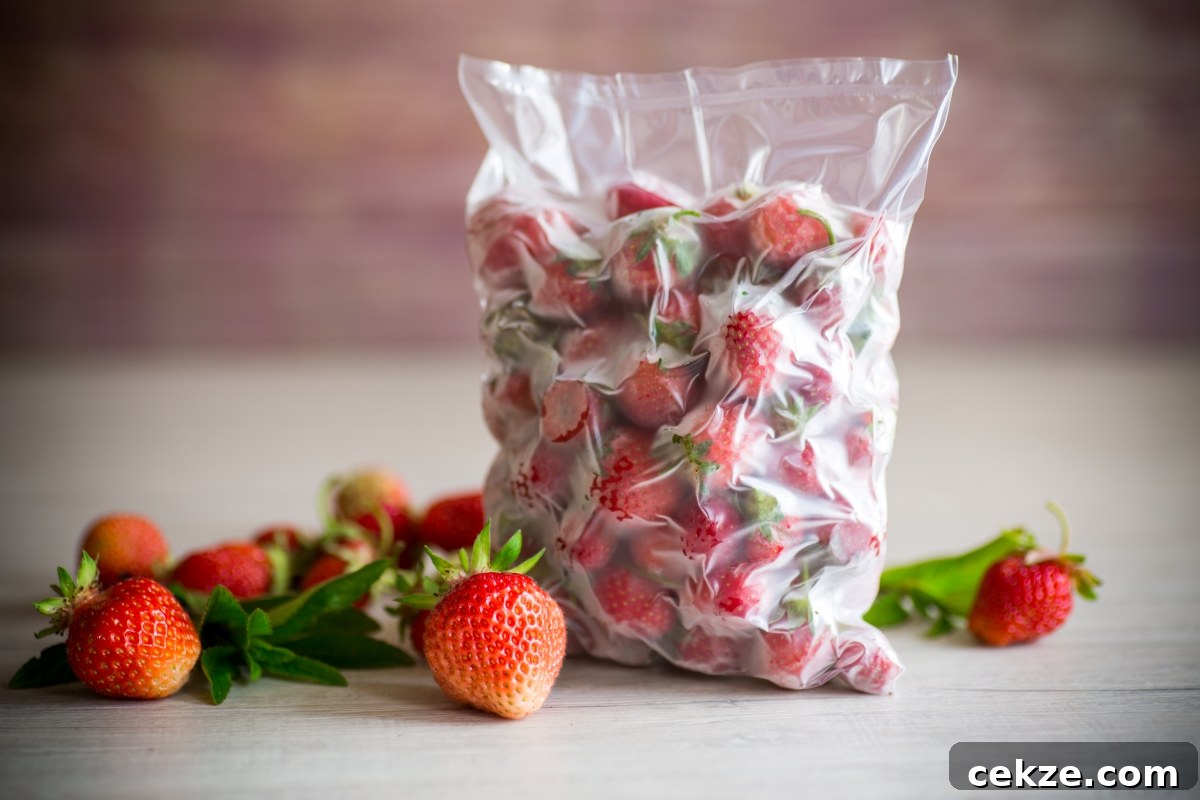
Freezing fruit is one of my favorite ways to preserve the fresh bounty I harvest through the summer. Properly frozen fruit stays good for up to a year and is incredibly versatile—perfect for smoothies, baking, or making jam during the colder months when fresh fruit is scarce.
Freezing fruit differs from freezing vegetables. Most fruits don’t require blanching; they typically only need washing and slicing. You can freeze fruits dry, in sugar, in syrup, as purees, or as juice—options you don’t usually use for vegetables.
Below are practical, easy-to-follow methods for freezing many common fruits so your summer harvest won’t go to waste.
How to Freeze Fruit Properly
When freezing fruit you can choose from syrup packs, sugar packs, dry packs, or unsweetened packs. The method you choose should depend on how you plan to use the fruit later. Syrup-packed fruit is best for uncooked desserts, while sugar-packed or unsweetened fruit is better for cooking since it adds less liquid.
Some fruits keep better when frozen in syrup or sugar, which helps retain texture and flavor, but many fruits freeze well without added sugar. Artificial sweeteners can be used if you need to limit sugar.
My usual method is flash-freezing on a tray without sugar, then sealing portions in freezer bags. Flash freezing prevents pieces from sticking together, which is especially helpful for strawberries and blueberries that otherwise clump into a single block.
Below are the common freezing techniques and when to use them.
Freezing in Syrup
Syrup packing preserves texture and flavor. A light syrup (about 40% sugar) suits most fruits; increase sugar for very tart varieties. To make syrup, dissolve sugar in water in the ratio needed for the desired percent sugar, heat to dissolve, cool, and pour over fruit in containers leaving headspace.
Freezing in Sugar
For a sugar pack, sprinkle sugar over sliced or soft fruits and let sit until juices form. This method works well for peaches, strawberries, grapes, plums, cherries, and berries. Sugar draws out natural juices and helps preserve color and flavor.
Freezing Dry or Unsweetened
Dry packing is great for small whole fruits or chopped fruit. I prefer flash-freezing pieces on a baking sheet, then transferring them to storage containers—this makes removing exact amounts easier later.
Puree and Juice
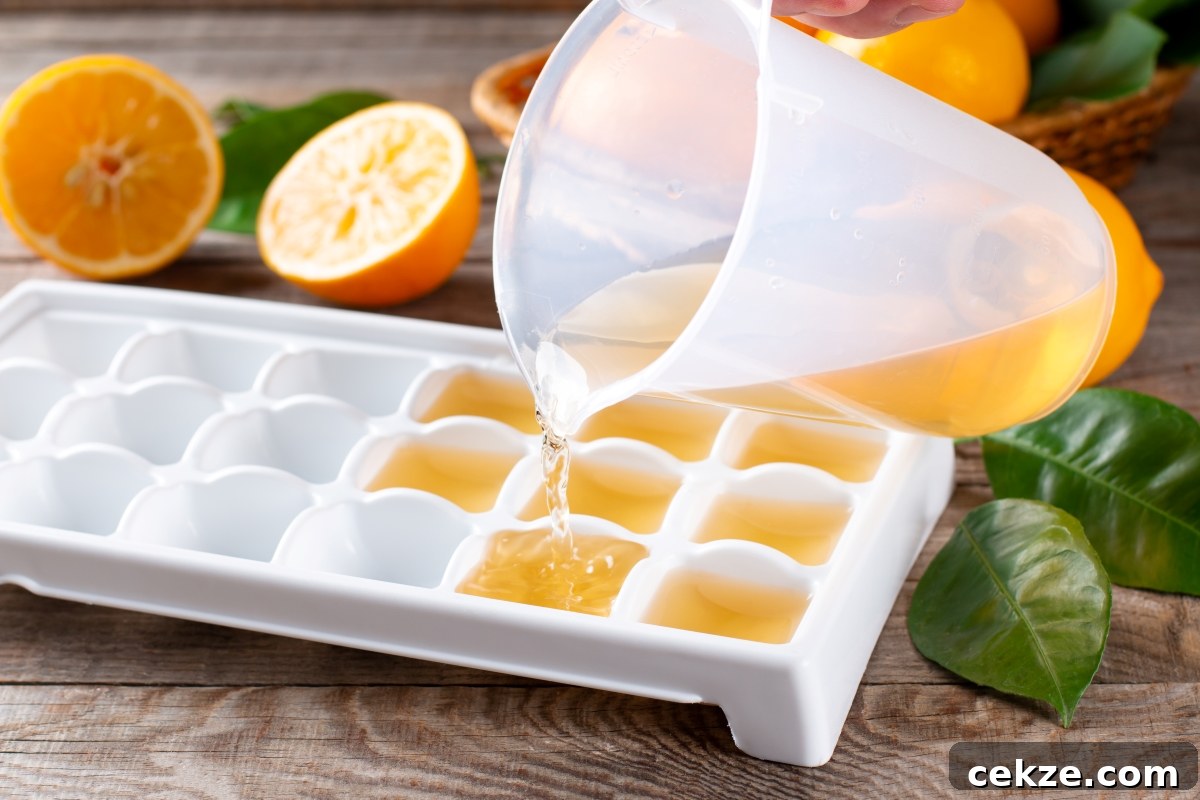
Puree fruit and freeze in ice cube trays or small containers. Juice can also be frozen in containers or trays for sauces, smoothies, or cooking needs.
The Best Containers to Store Frozen Fruit
Choose containers that resist moisture and vapor, seal well, and are durable. Acceptable options include:
- Freezer bags designed for freezing (thicker plastic resists leaks and freezer burn).
- Freezer-safe plastic containers labeled for freezer use to avoid cracking.
- Vacuum sealer bags for long-term storage—removing air reduces freezer burn and extends shelf life.
- Freezer-safe glass jars with fill lines for purees, jams, or sauces.
Leave Headspace and Label
Leave headspace in containers because contents expand when frozen. Wipe container rims clean before sealing. Label containers with contents and date so you can rotate your stock and use the oldest fruit first.
How to Make Syrup for Freezing Fruits
Syrup concentration affects flavor and texture. Common guidelines:
| Type of Syrup | Percent Sugar | Cups of Sugar | Cups of Water | Syrup Yield |
| Very Light | 10% | 1/2 | 4 | 4 ½ |
| Light | 20% | 1 | 4 | 4 ¾ |
| Medium | 30% | 1 ¾ | 4 | 5 |
| Heavy | 40% | 2 ¾ | 4 | 5 ⅓ |
| Very Heavy | 50% | 4 | 4 | 6 |
Freezing Fruit Guide – A to Z
Apples
Wash, peel, core, and slice firm apples. Ascorbic acid (about ½ teaspoon per quart) prevents browning. Apples freeze best in 40% syrup but can be sugar packed (½ cup sugar per quart) or dry frozen. Slice and flash-freeze on a parchment-lined baking sheet for 1–2 hours before bagging.
Apricots
Wash, halve, and pit apricots. Dip in ascorbic acid solution if desired. Some varieties benefit from blanching to loosen skin. Apricots keep well in 40% syrup or dry frozen after flash-freezing for 1–2 hours.
Bananas
Peel and slice bananas before freezing. Flash-freeze slices in a single layer to avoid one large clump. Frozen bananas are ideal for smoothies, bread, and muffins.
Blackberries
Sort, rinse gently, and air-dry blackberries. Dry-pack by spreading them on a parchment-lined tray so they don’t touch; freeze at least three hours before storing. For syrup packing use 40–50% syrup; for sugar pack, about ¾ cup sugar per quart.
Blueberries
Do not wash blueberries before freezing—bloom protects them. Spread on a tray and flash-freeze before transferring to containers. Purees can be mixed with sugar (about 1 cup per quart) before freezing.
Cherries
Wash, dry, and pit cherries. Flash-freeze on a tray, then bag. Sour cherries benefit from a stronger syrup (60–65%); sweet cherries freeze well in 40% syrup. Sugar packing is usually used for tart cherries (¾ cup sugar per quart).
Citrus Fruits
Peel and section citrus, removing membranes and seeds. Syrup packs (40%) or juices work best. Juice can be frozen in containers or trays; avoid pressing rind to minimize bitter oil.
Cranberries
Rinse, discard damaged berries, air-dry, then spread on a baking sheet and freeze 2–8 hours before bagging. Dry packing is common; a 50% syrup reduces bitterness if desired.
Currants
Rinse and sort currants, then flash-freeze on a tray for 1–2 hours. Remove stems after freezing—they come off more easily—and store in freezer bags.
Figs
Select ripe figs, wash and peel if desired. To prevent darkening, sprinkle with dissolved ascorbic acid. Flash-freeze on trays and store in containers, or freeze in 40% syrup with ascorbic acid or lemon juice to protect color.
Grapes
Remove grapes from stems, rinse and dry, then spread on a tray to freeze solid before transferring. Grapes are also good juiced or syrup-packed (40%).
Huckleberries
Handle like blackberries: sort, rinse gently, dry, flash-freeze on a tray, and store. Purees freeze well in trays or containers; add sugar if desired (about 1 cup per quart).
Kiwis
Peel and slice kiwis before freezing; they become mushy when thawed, so they’re best used in smoothies. Flash-freeze slices on a tray or layer with parchment between pieces.
Mangoes
Peel and slice or cube mango, arrange on a tray and freeze 3–5 hours until firm. Transfer to containers for smoothies, sauces, or baking.
Melons
Cantaloupe, honeydew, and watermelon can be cubed, balled, or sliced. Dry-pack by flash-freezing cubes on a tray or preserve in a light syrup (around 30%) for desserts or cocktails. For a sugar pack, use about 1 lb sugar per 5 lb fruit.
Peaches
Peel if desired, halve and pit, then slice. Soak in a water-lemon juice mix or ascorbic acid to prevent browning. Flash-freeze slices on a tray before storing or freeze in 40% syrup. Purees also freeze well for sauces or jams.
Pears
Peel, halve, core, and soak pears in acidic water to prevent browning. Pears freeze best in syrup (40%) but can be dry-packed or sugar-packed (½ cup sugar per quart) for cooking.
Pineapples
Trim, core, and cut pineapple into chunks. Spread on a tray and freeze up to eight hours before transferring to containers. Frozen pineapple works well in smoothies and desserts.
Plums
Wash, halve, and pit plums. Leave skins on or peel if preferred. Flash-freeze slices on a tray before bagging. A 40–50% syrup is another good option; add ½ tsp ascorbic acid per quart if desired.
Raspberries
Sort and rinse raspberries gently, pat dry without squishing, spread on a tray lined with wax or parchment so they don’t touch, and freeze until firm. Transfer to freezer-safe containers. Raspberries also freeze well in 40% syrup, a sugar pack (¾ cup per quart), or as puree.
Strawberries
Remove stems, core, and slice strawberries. Arrange on a lined tray and freeze several hours before storing. Alternatives include pureeing into trays, syrup pack (50%), or sugar pack (¾ cup sugar per quart).
Food Preservation Guides
If you want more preservation ideas, explore guides for canning recipes, beginner cheesemaking, and homemade apple cider vinegar to make the most of your harvest.