I get asked all the time why I became a Beautycounter consultant. In this post I explain why, as a doctor, I chose to work with Beautycounter. If you have been considering joining as a consultant, I hope this post helps you understand my motivation and experience.
People often ask: “Why does a doctor work with a direct sales beauty company?”, “Do you have time?”, or “Don’t you already make good money?” Those questions motivated me to write this post and share the reasons behind my decision.
There are many reasons I joined Beautycounter, and I am truly grateful I did. The friendships I’ve made, the advocacy work I get to participate in, the improvements in my skin, the extra income, the leadership and mentorship opportunities with my team, and the personal growth I’ve experienced have all been meaningful benefits.
Our health matters
This is the core reason I got involved. As a physician I see people suffering from chronic conditions every day. Scientific evidence increasingly links environmental exposures to a wide range of illnesses, including obesity, certain cancers, and autoimmune diseases. The connection between what we encounter in our daily environment and long-term health is real and concerning.
I have long been passionate about prevention, nutrition, and staying active, which led me to start this blog. But for years I did not consider environmental health or the products I put on my skin and in my home. Environmental health was not emphasized in my medical training, and I was unaware that everyday products could contribute to harm.
Once I learned that the personal care products we use can contain harmful ingredients, I could not ignore it. The lack of regulation in the personal care industry and the fact that some companies continue to use questionable ingredients makes me upset. When companies profit while exposing people to potentially dangerous ingredients, that is unacceptable to me.
The personal care industry is under-regulated
In medicine, drugs undergo rigorous safety testing before approval. I assumed other consumer products had similar oversight—but the personal care industry is far less regulated. Ingredients can be used in products without prior safety testing. That reality is alarming.
Since World War II, tens of thousands of new chemicals have entered commerce and many have not been adequately tested for human safety. Some are likely safe, but others are not. History offers examples of chemicals later linked to widespread harm, underscoring the need for better oversight.
In the United States, only a limited number of ingredients are banned from cosmetics compared with other regions. The U.S. has prohibited far fewer ingredients than the European Union or Canada. Even where standards exist, agencies do not always systematically test products on shelves, and in some cases regulators lack the authority to compel recalls—limits that should concern consumers.
Some cosmetics have been found to contain heavy metals, endocrine-disrupting compounds, and even carcinogens. Heavy metals may be intentionally added in certain rare products or introduced as contaminants during manufacturing, particularly when mineral pigments are used. Since industry testing for contaminants is not consistently required, studies have found concerning levels of metals like lead in common products such as lipstick.
You might wonder how much of these substances matter if they’re applied topically. The skin is not an impermeable barrier: many ingredients can be absorbed and enter the bloodstream. That means what we apply to skin can reach other organs and potentially influence health. Newborn studies detecting numerous chemicals in umbilical cord blood highlight that exposures begin very early, and the developing fetus and infant are particularly vulnerable to environmental toxins.
Because our skin and body can absorb these substances, being mindful about product ingredients matters.

After learning about these issues, I looked for brands that prioritize safety. Based on my research, Beautycounter stood out for its strict approach to ingredient selection and testing.
Beautycounter has a lengthy list of banned ingredients and a comprehensive, multi-step process for evaluating ingredients and formulas. Their approach includes proactively excluding questionable ingredients, rigorously screening each ingredient using available science, continually reviewing emerging research, sourcing responsibly, and sharing ingredient information transparently on product labels.
When evidence about an ingredient is limited or conflicting, Beautycounter has commissioned independent research to clarify safety concerns. They’ve partnered with academic researchers and institutions to study ingredients of interest and have used those findings to inform product decisions.
Beautycounter also performs extensive contaminant testing. Because contaminants can enter products at multiple points in the supply chain, they test finished products and batches—especially color cosmetics—for heavy metals and other impurities. To my knowledge, their testing protocols are more comprehensive than what many other brands perform.
Education and advocacy
Many people are unaware that some personal care products may contain harmful ingredients. One of my roles as a Beautycounter consultant is educator: I share evidence and practical guidance to help people make safer choices. I bring the same enthusiasm I have for nutrition education to conversations about environmental health and product safety.
Beautycounter also works to change industry-wide standards through advocacy. They collaborate with lawmakers and civic organizations to promote stronger regulations. Consultants are invited to meet with legislators and participate in campaigns to advance safer personal care laws. I had the opportunity to travel to Ottawa as part of this advocacy work, and it was a meaningful experience.
The company’s advocacy has helped advance legislation and policy efforts in both the United States and Canada, and they created an industry coalition to support more protective laws. Being part of a company committed to changing policy aligns with my desire to improve population health.
Friendships and community
I didn’t expect the friendships that would come from joining Beautycounter. Connecting with like-minded, health-focused people has been one of the greatest surprises and rewards. My team includes women—and a few men—from across Canada and the U.S., many of whom have become close friends and daily supporters.
If you are looking for community or a supportive professional network, you can find that within a company like Beautycounter. The camaraderie and encouragement among consultants have been incredibly meaningful to me.

Income
Money is a practical consideration. I originally signed up for the consultant discount, but over time I discovered Beautycounter could provide meaningful supplemental income. My physician income remains my primary source, but working in medicine ties income to time spent seeing patients and offers limited paid leave or benefits. Having an additional income stream provided important financial resilience during periods when I couldn’t work clinically.
That said, earnings with Beautycounter vary and depend on many factors, and not everyone will earn income. No income is guaranteed. I have been fortunate to earn supplemental income, but individual results differ. For more details on the company’s reported earnings, refer to Beautycounter’s published resources.
Flexibility
One of the biggest advantages of consulting is flexibility. You can determine how much time to invest, how to operate your business, and where and when you work. I continue to practice medicine full time, manage this blog, and build my Beautycounter business on a schedule that fits my life.
That flexibility matters to me because I don’t want my income tied only to being in the office or being on call indefinitely. Beautycounter allows people from diverse backgrounds—parents, medical professionals, creatives, and others—to build a business that fits their needs and goals.
The products
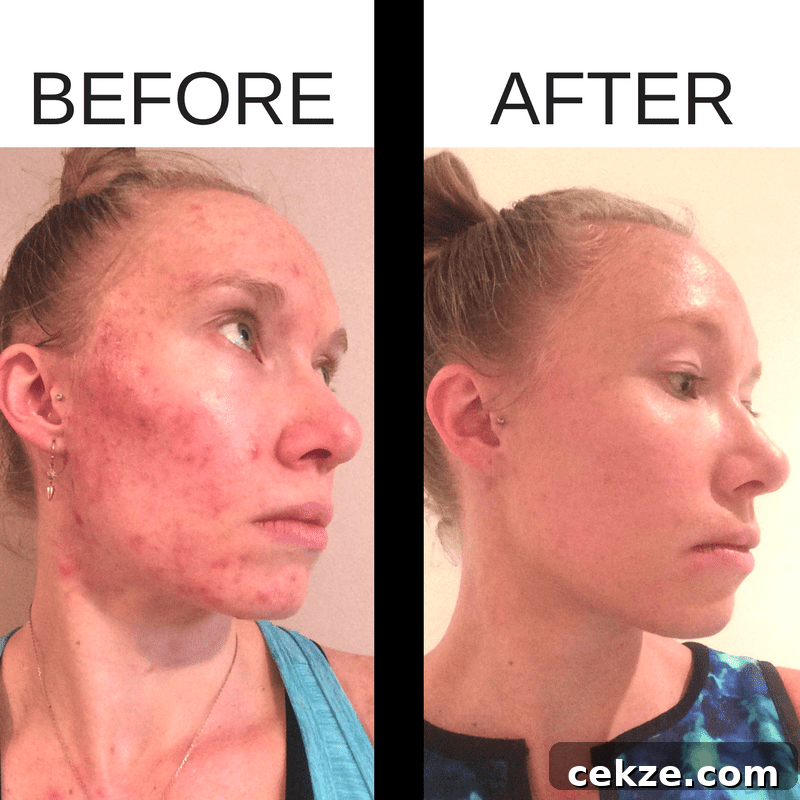
Ultimately, the products are why I stayed. I initially signed up to access the 25% discount because I was committed to switching to safer products. I had tried many “natural” brands that didn’t work for my skin and experienced persistent acne and frustration. After switching to Beautycounter, I saw notable improvements in my skin, which reinforced my decision to continue recommending the line. Personal results matter when you’re sharing products with others.
This post became longer than I planned, but I hope it provides a clear picture of why I work with Beautycounter, what the opportunity has meant for me, and what it might offer you. If you’d like to learn more, feel free to email me at [email protected] for product guidance or questions about consulting.
If you’re curious about joining as a consultant or want additional perspective, there are reviews and personal experiences available from people who’ve worked with the company. I’ve shared my own honest experience here and remain grateful for the personal and professional benefits this work has brought into my life.
Frequently asked questions:
No. Beautycounter operates as a direct sales or MLM company, not a pyramid scheme.
No, consultants do not receive free shipping, but they do receive a product discount.
Consultants typically earn commissions in a range, depending on sales and rank. Commission rates and earnings vary.
Other information you will be interested in:
- How to choose a safe sunscreen
- Deodorant health risks
If you want to shop or try products, or if you have questions about which items suit your skin, email me at [email protected] and I’ll help you pick products tailored to your needs.