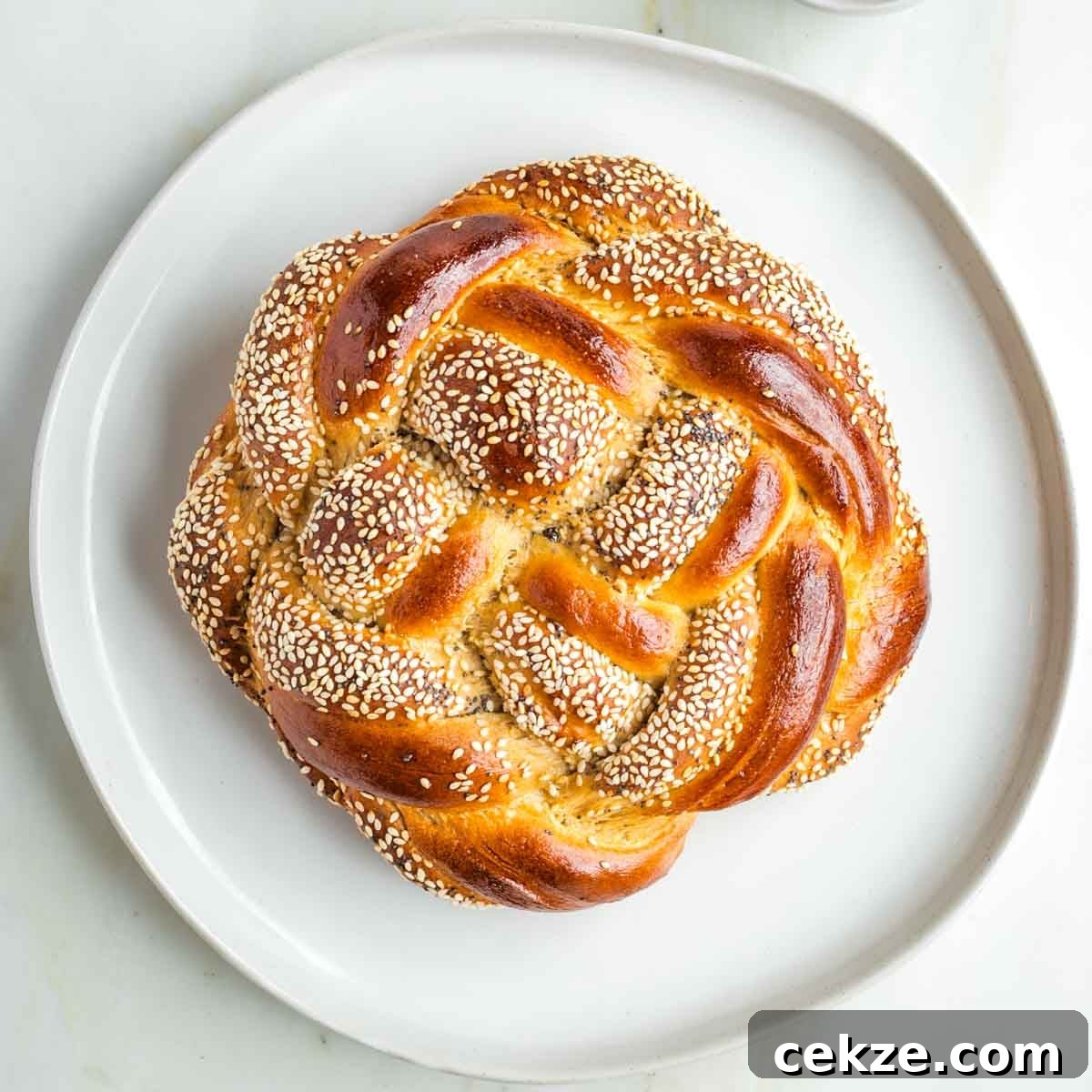
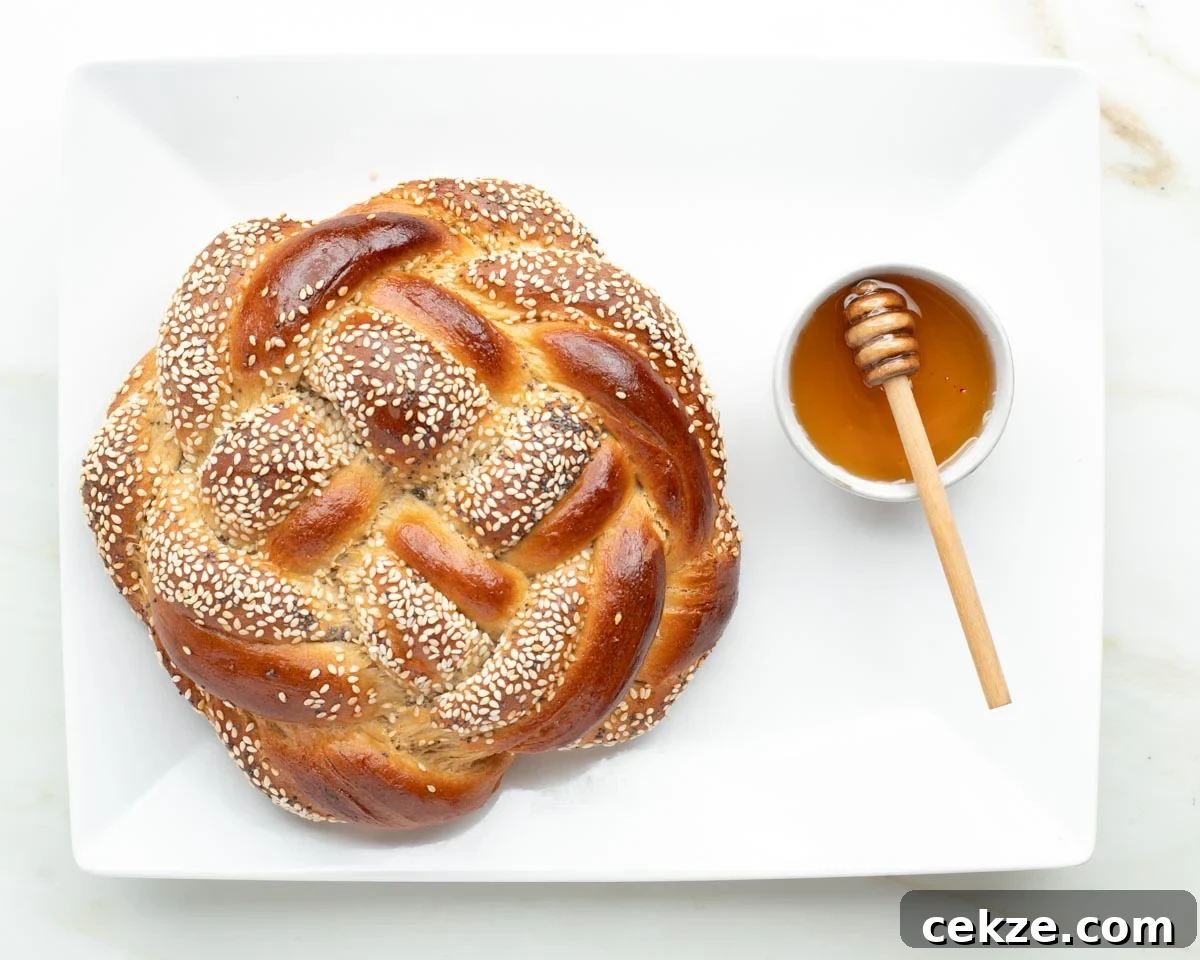
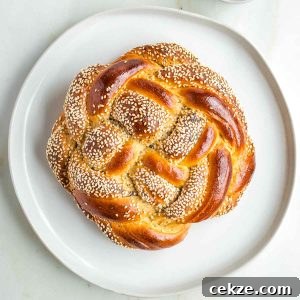
Sweet Round Challah Bread is a cherished part of Jewish holiday traditions. This recipe uses honey to sweeten the dough (no refined sugar), then divides and braids the dough into round loaves. It’s ideal for Rosh Hashanah and other High Holidays—and leftover challah makes outstanding French toast.
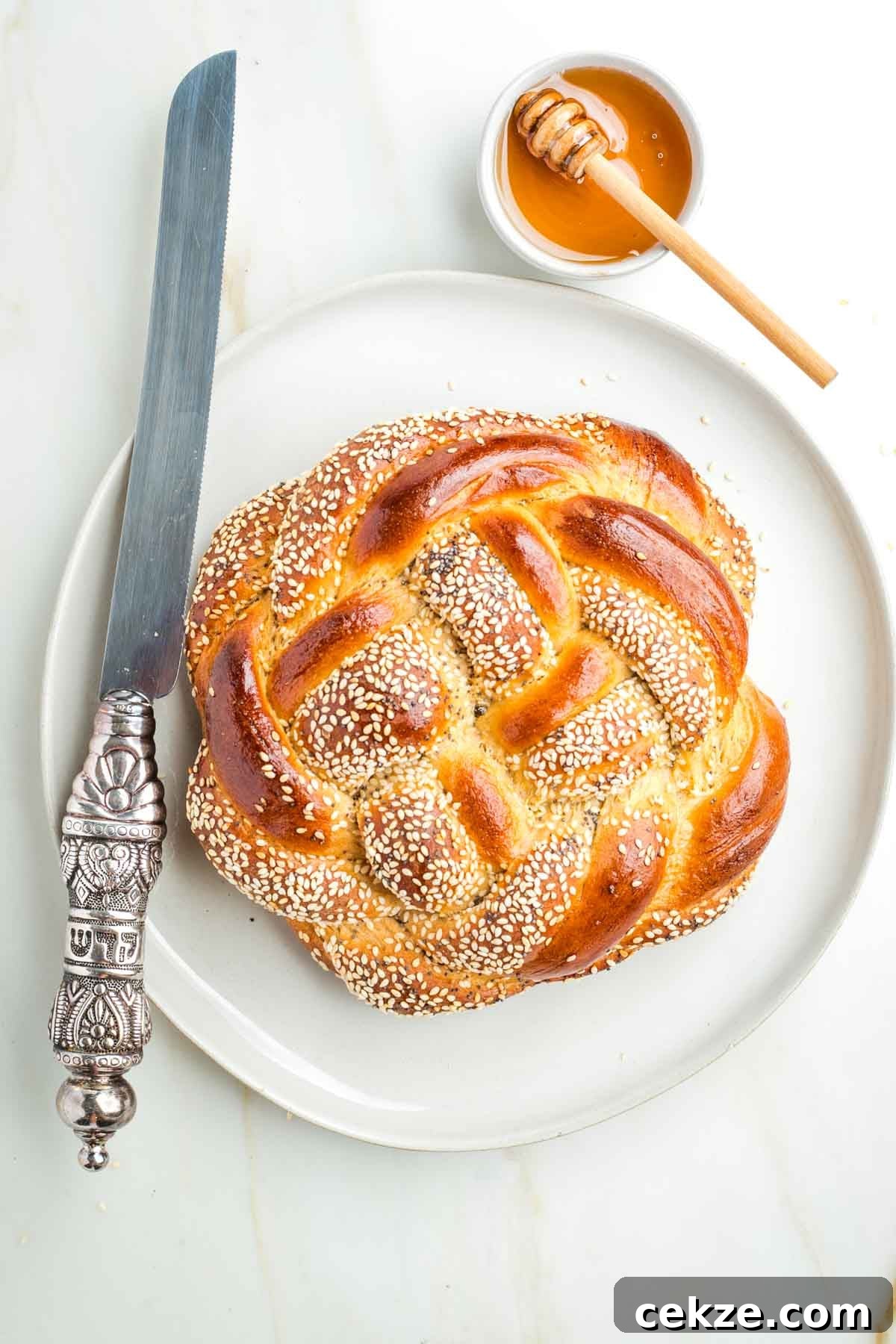
Making homemade challah from scratch is simpler than it looks and deeply rewarding. I’ve baked challah every week for Shabbat and made round holiday loaves for over 25 years, so I’ve learned how to get the dough just right.
For Rosh Hashanah and other holidays I add a little extra honey to the dough for sweeter loaves—symbolic of a sweet new year. I also enjoy inviting friends for baking marathons the weekend before holidays; working together makes the process more joyful and the kitchen full of warmth.
After serving challah with honey, consider offering something savory to spread on it. Two of my favorite accompaniments are vegetarian mock chopped liver and garlic-and-leek confit.
Ingredient Notes
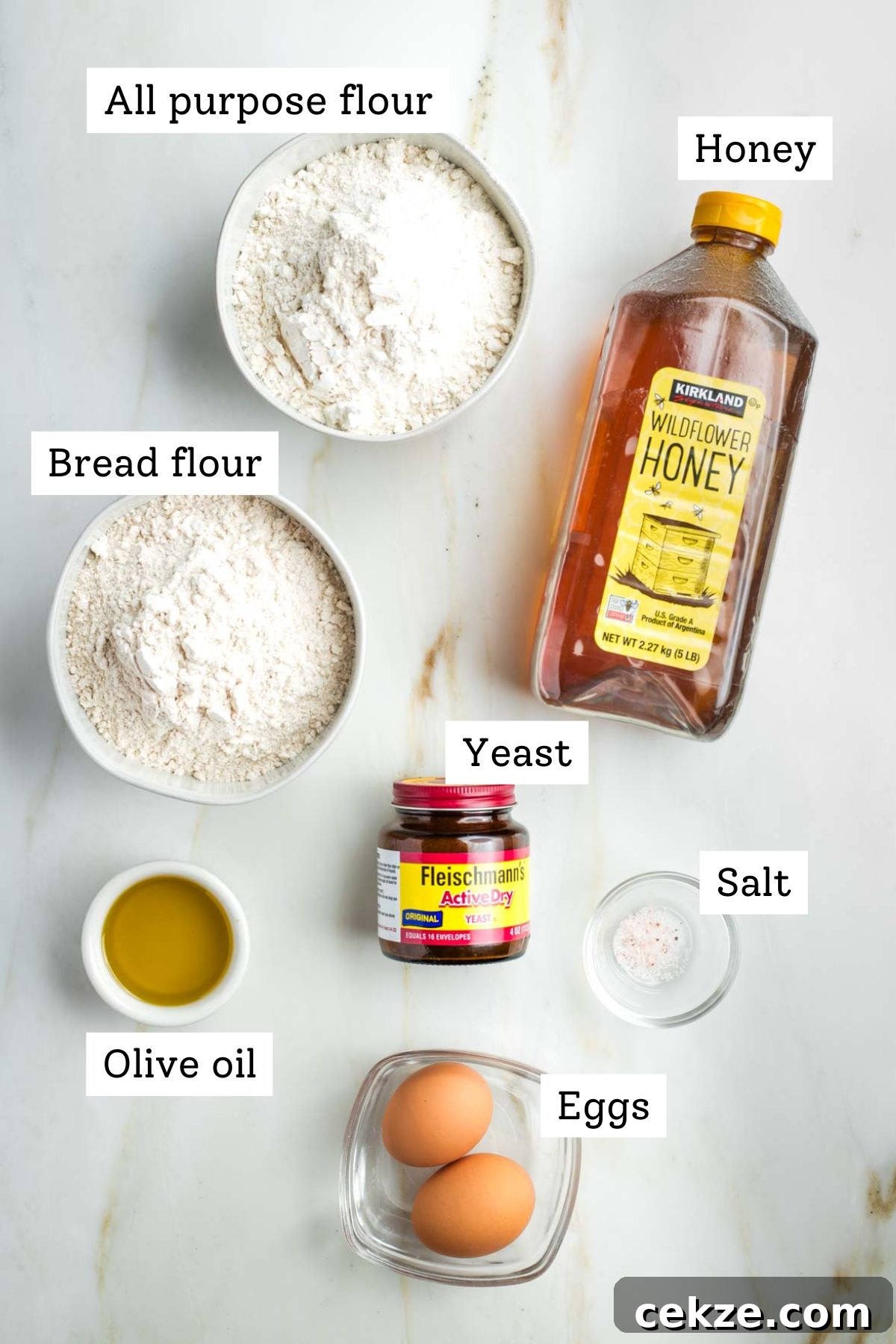
- Flour: I prefer freshly milled whole grain flour. In my experience, a mix of bread flour and all-purpose flour produces the best texture for challah. That said, I’ve baked with many types of flour when traveling—use what you have.
- Yeast: Active dry yeast works best—either packets or measured from a jar. Avoid rapid-rise yeast for this recipe.
- Honey: I avoid processed white sugar and find honey both helps proof the yeast and sweetens the egg dough nicely.
This may seem like a lot of steps, but the photos are there to guide you and show how the dough should look as you go. Don’t be intimidated—take your time and enjoy the process. You can do this.
Proof the Yeast
Proofing the yeast is important but simple. If you have a kitchen thermometer it helps to get the water temperature between 105–110°F, but you can also judge by feel: hot, not scalding.
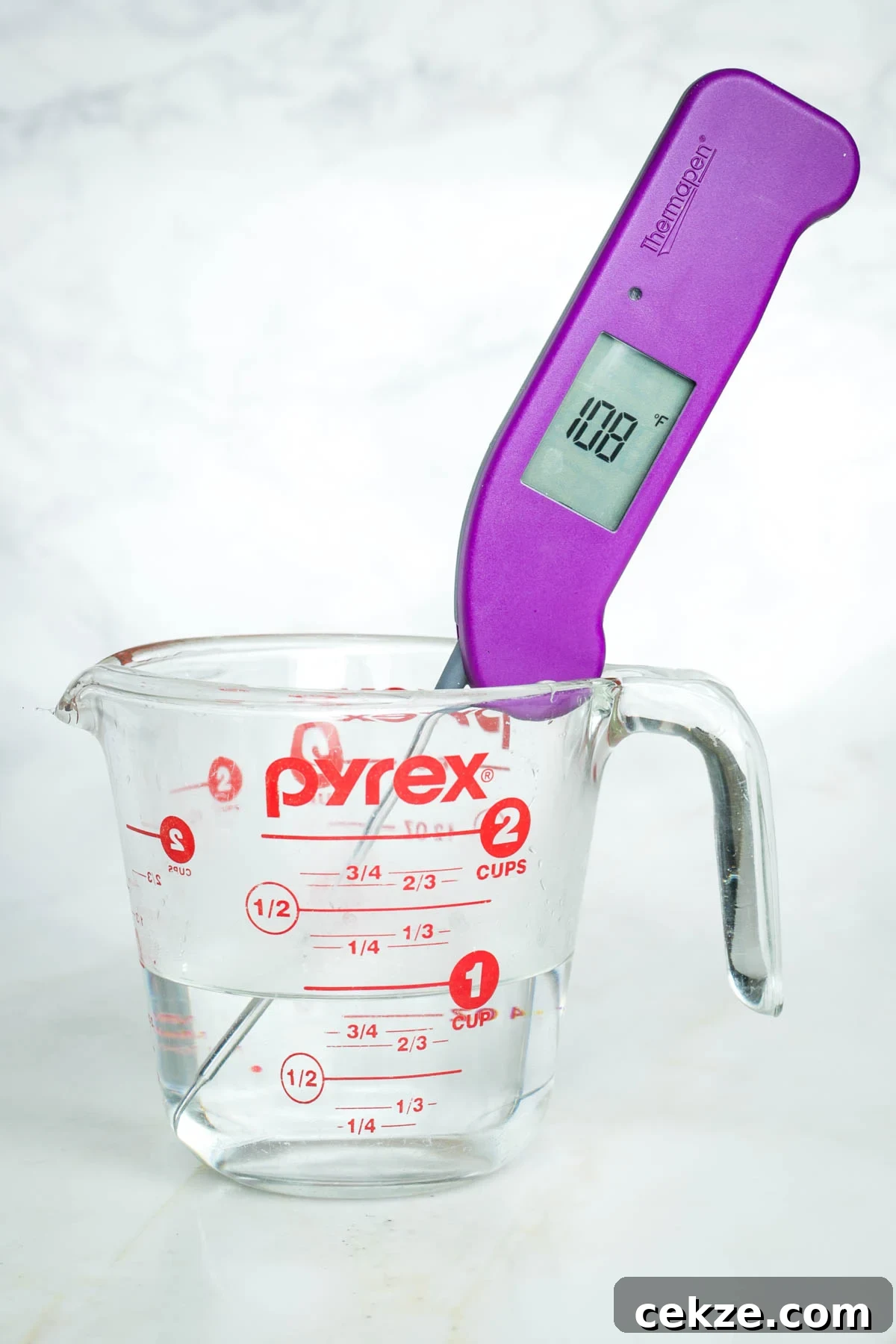
If using a thermometer, aim for water around 105–110°F. Otherwise, use very warm water that’s comfortable to touch.
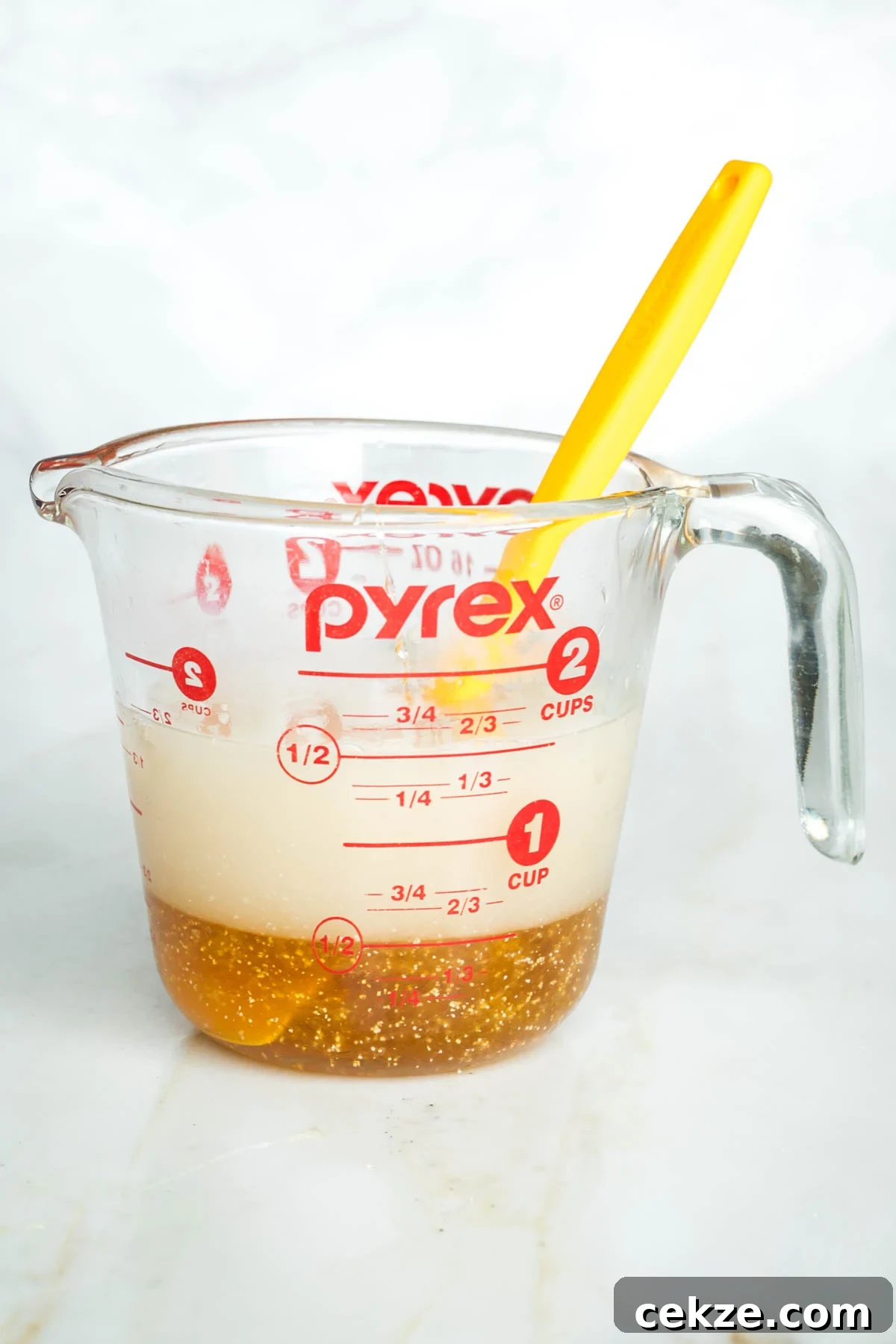
A 2-cup glass measuring cup is handy: pour the honey in first so you can see the ½-cup mark, then add salt and yeast and stir.
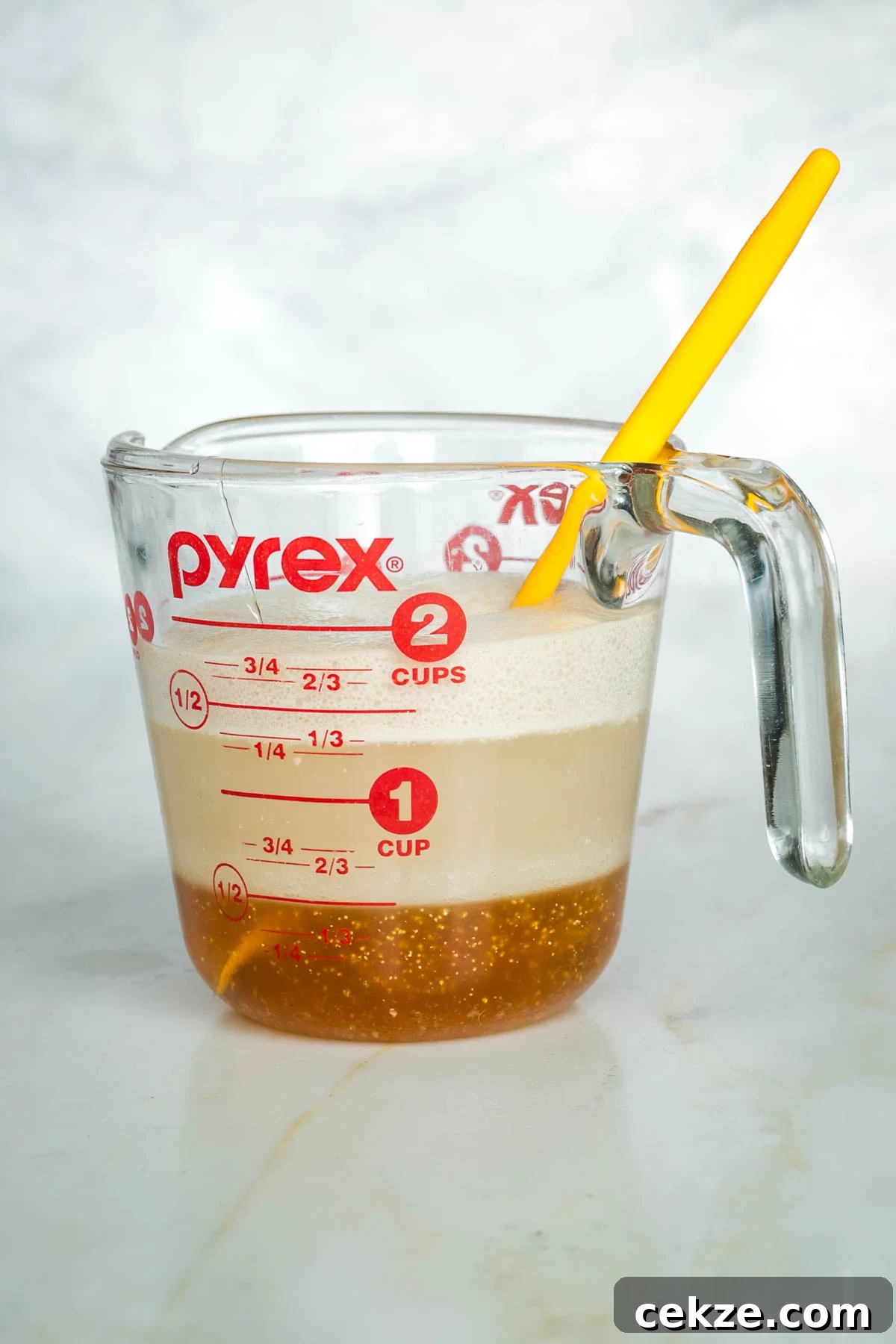
Let the mixture sit at least 5 minutes. The yeast should bubble and form a frothy, beige mound on top. If it doesn’t, the water temperature may have been off or the yeast may be expired—start again with fresh yeast and proper water temperature.
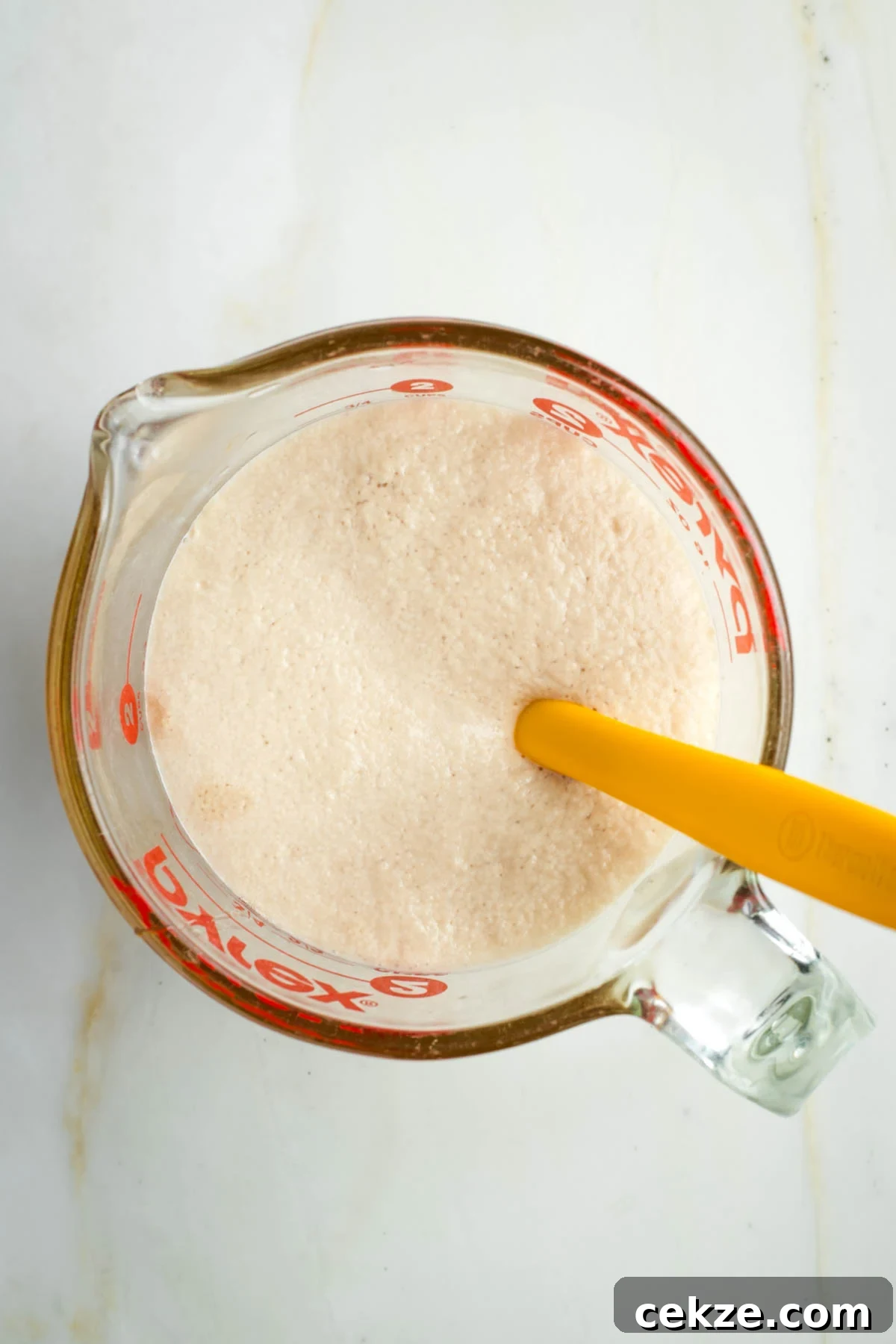
If your yeast doesn’t proof, discard it and try again. The challah will not rise without properly proofed yeast.
Make the Challah Dough

Measure oil and eggs into the bowl of a food processor fitted with the “S” blade, or use a stand mixer with a paddle or do this by hand.
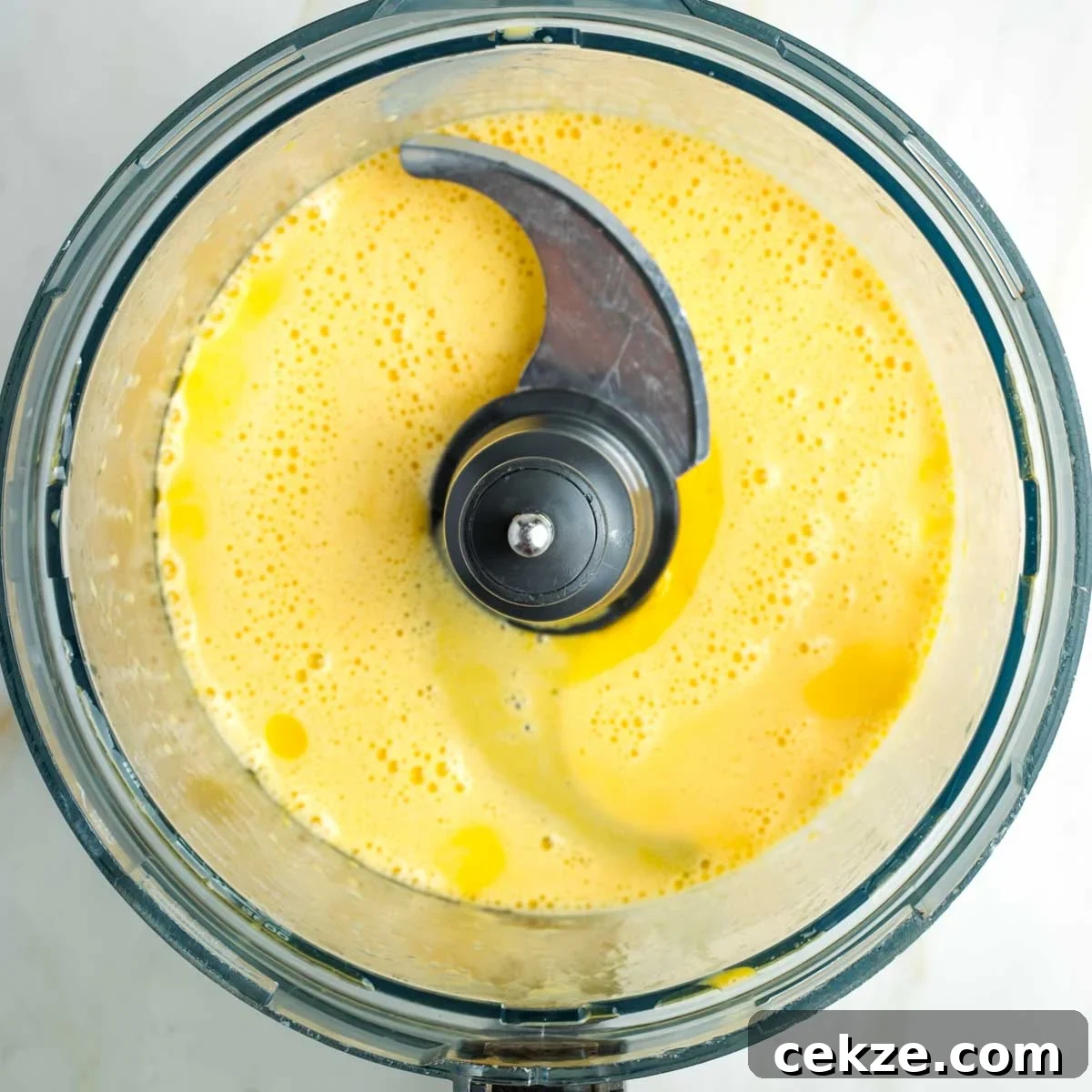
Process until eggs and oil are emulsified and frothy.
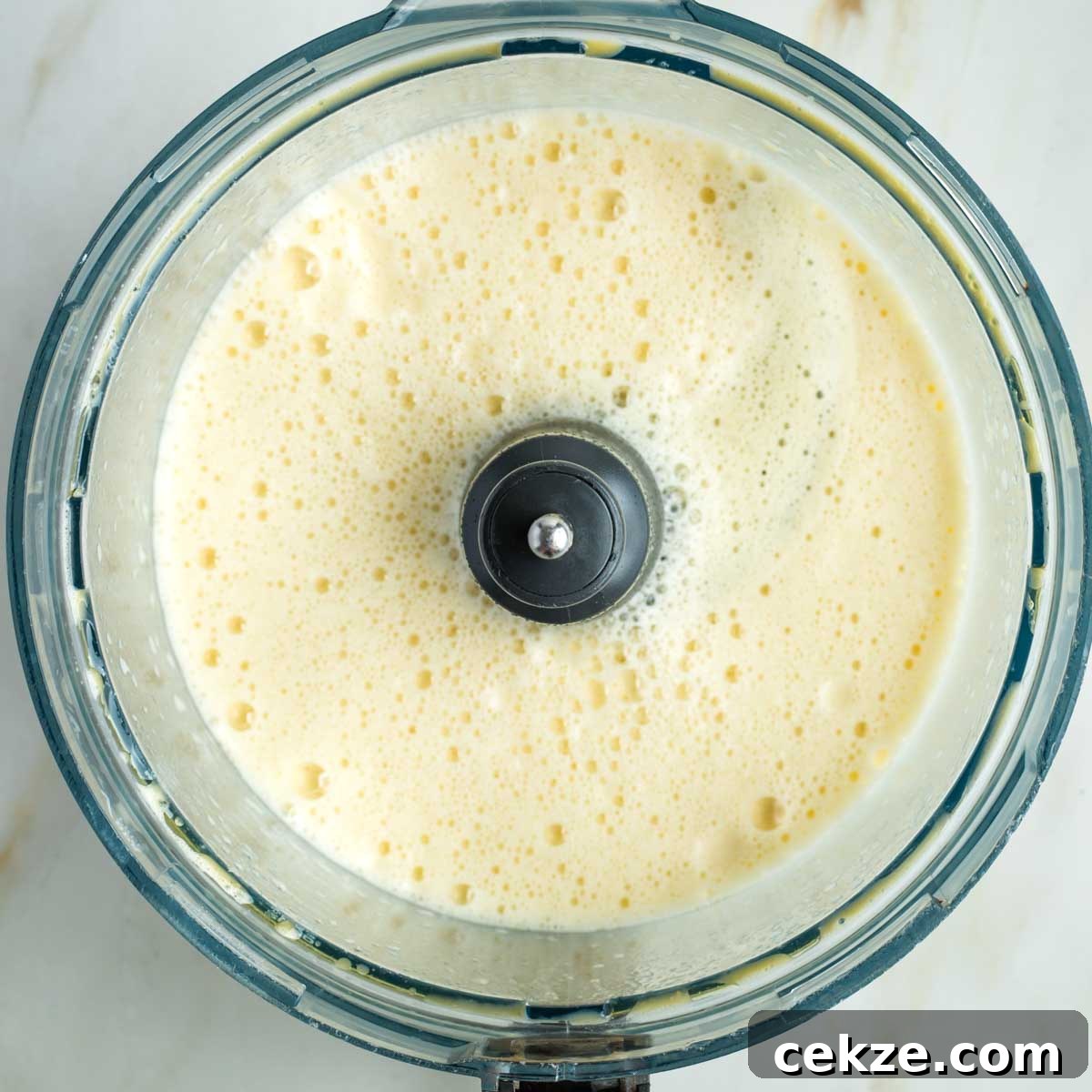
Once the yeast mixture has proofed, add it to the egg-and-oil mixture and process until very bubbly.
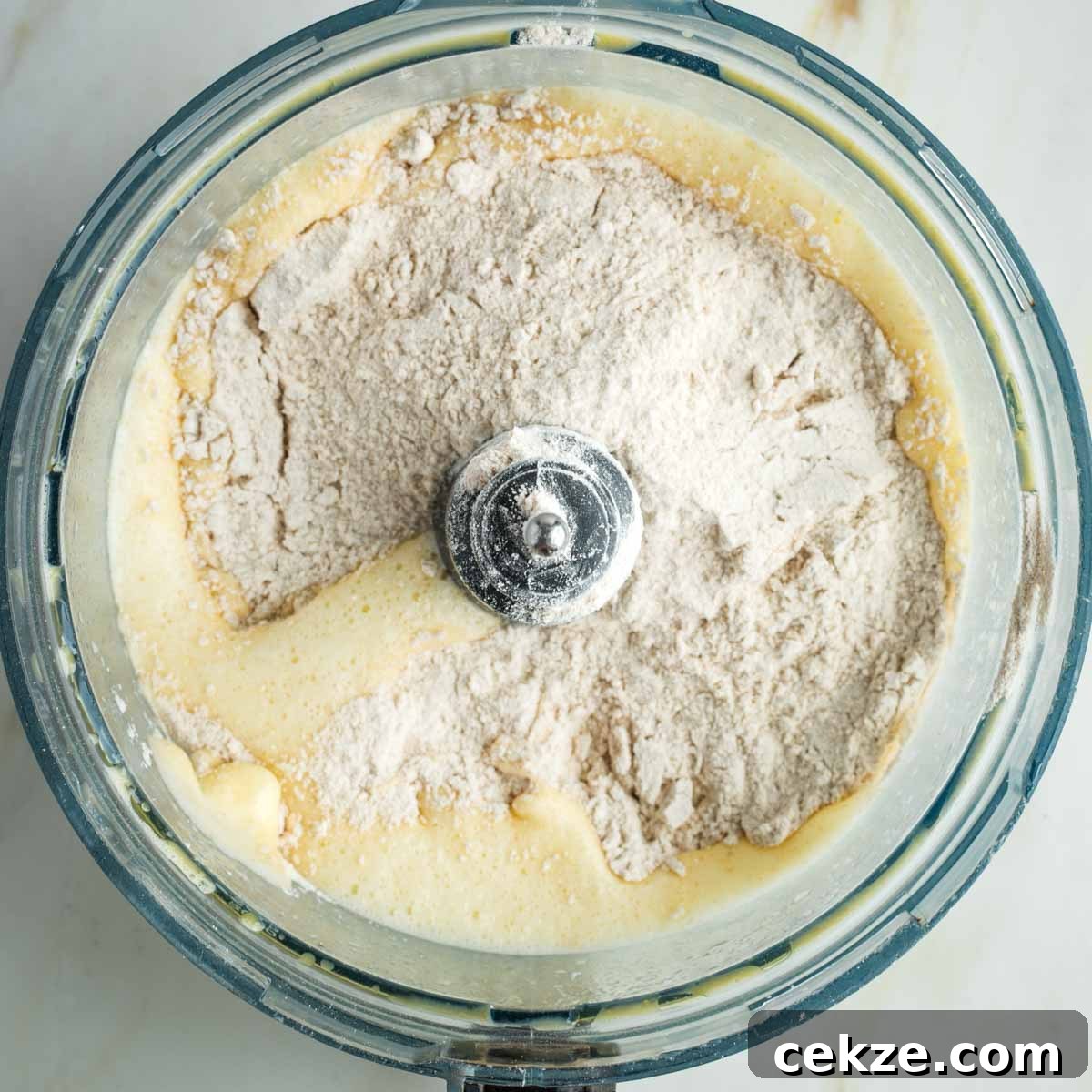
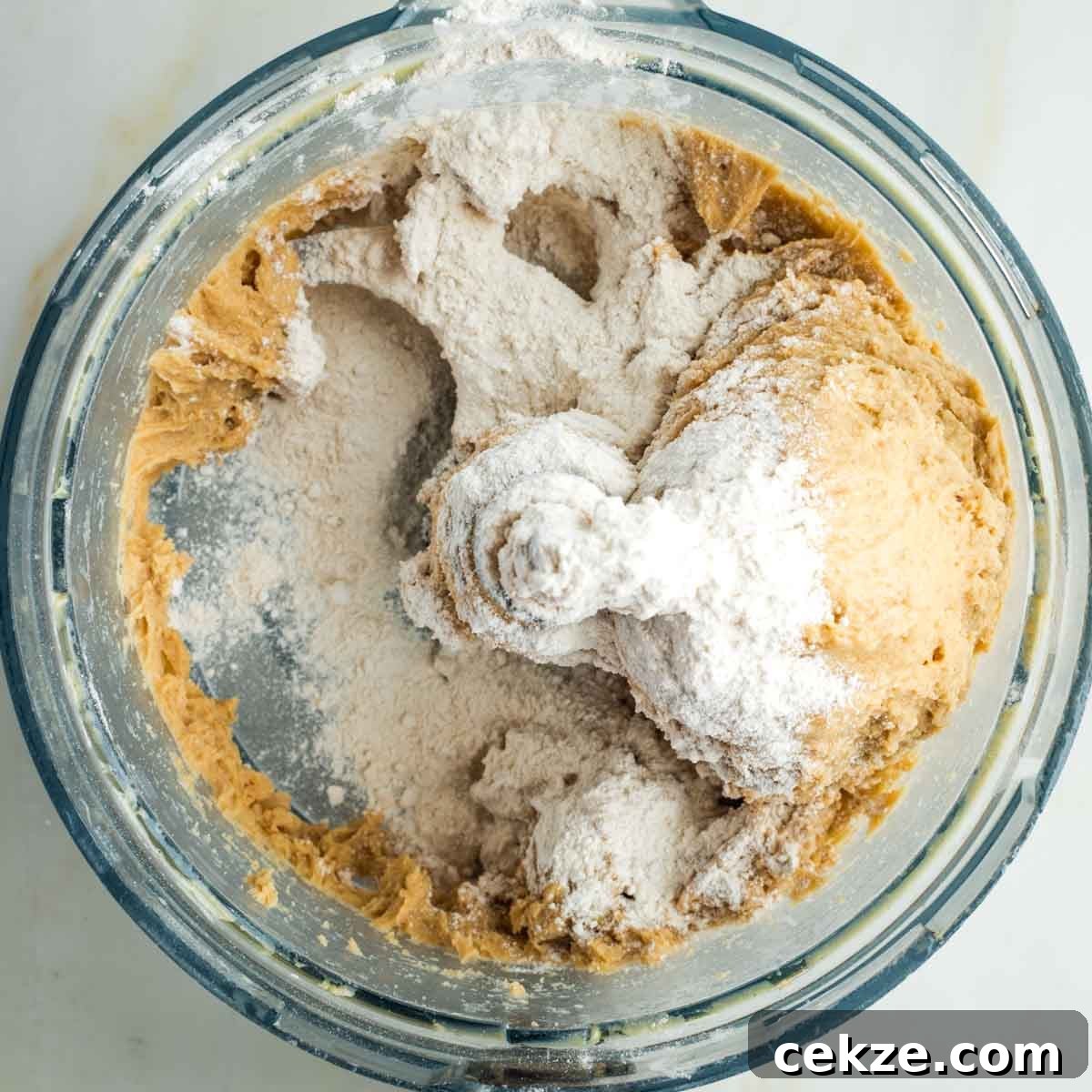
Sprinkle on half the flour (about 1.5 cups all-purpose and 1 cup bread flour) and process until incorporated.
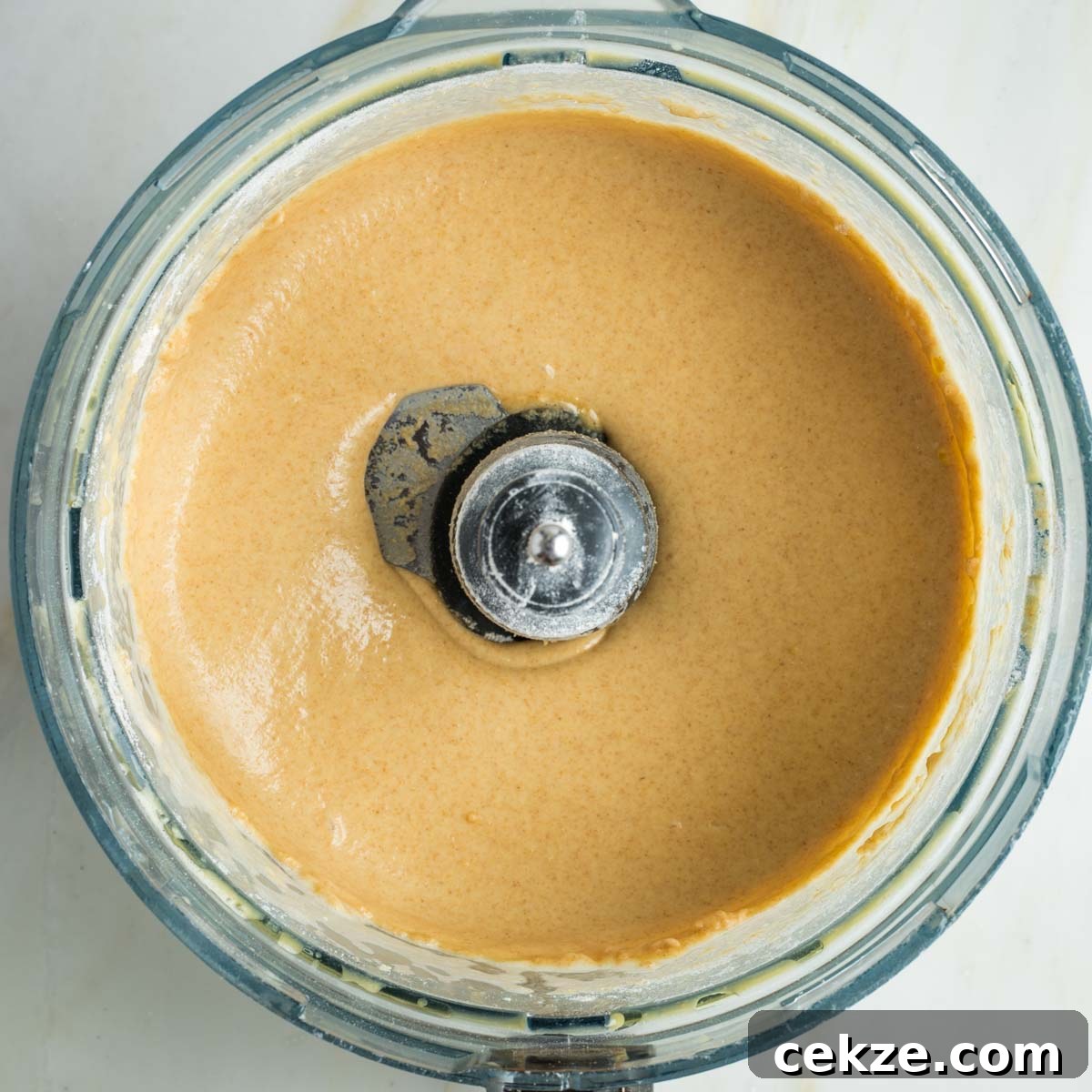
Process the first addition of flour until just mixed.
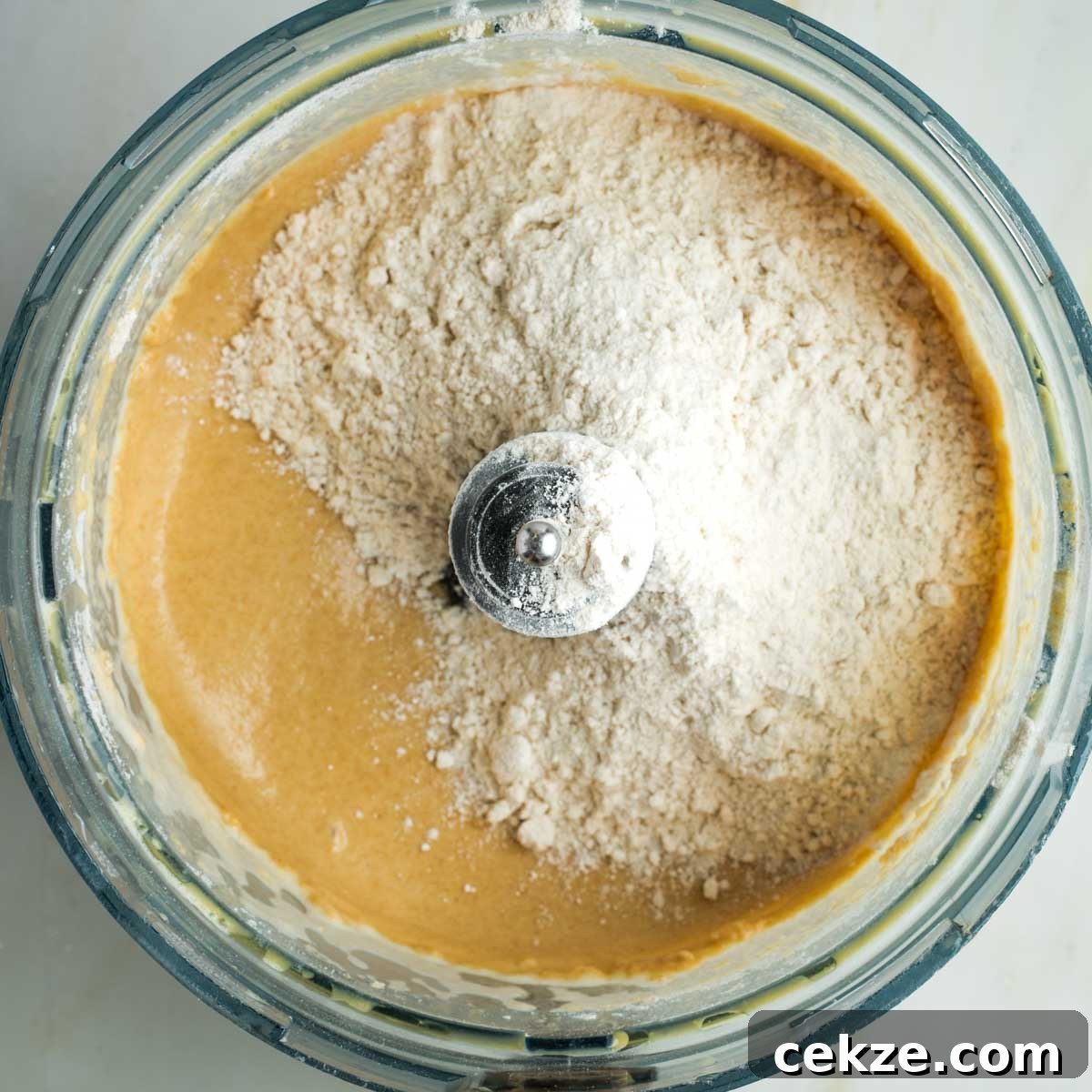
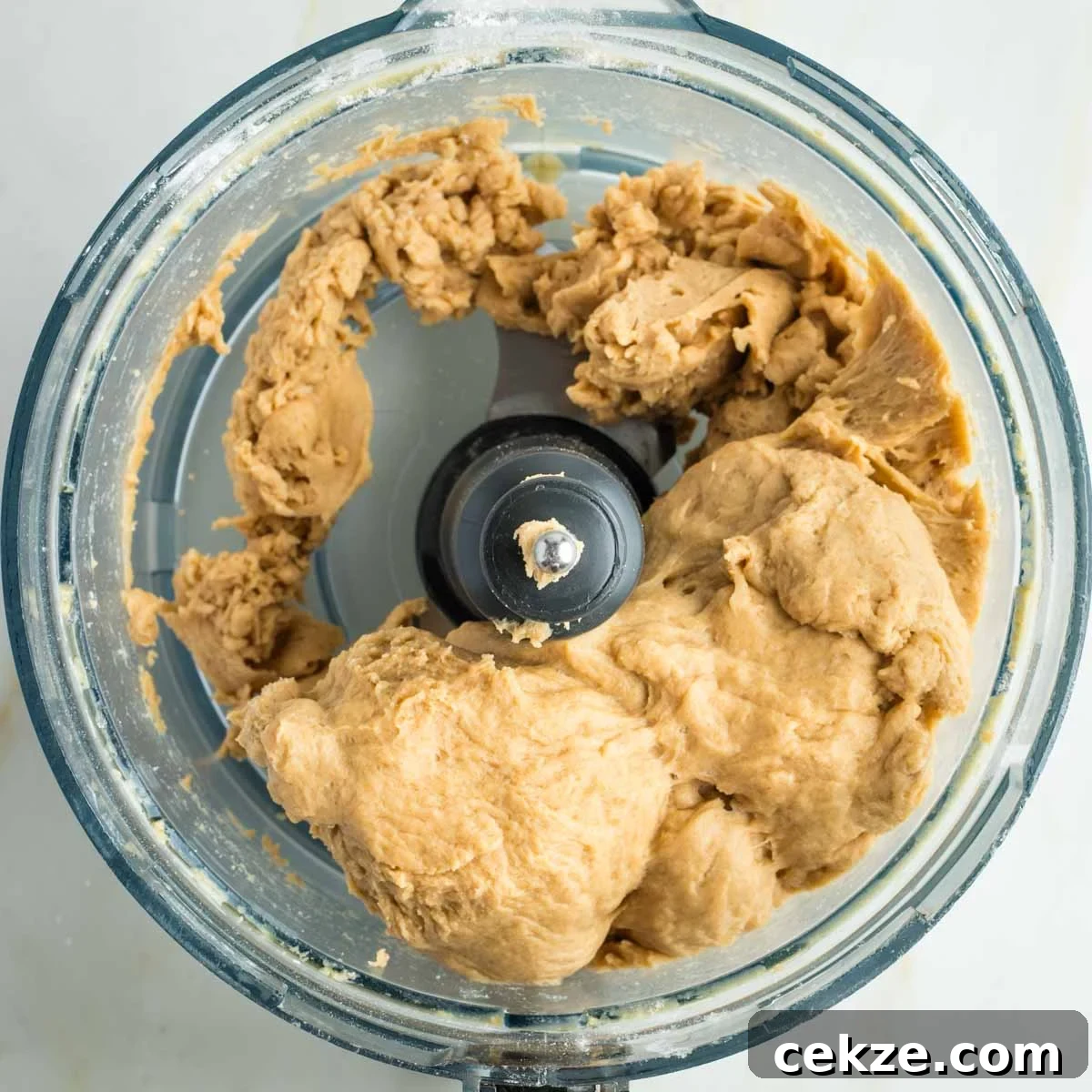
Add the remaining 2.5 cups of combined flours and let the processor knead the dough for about 3 minutes.
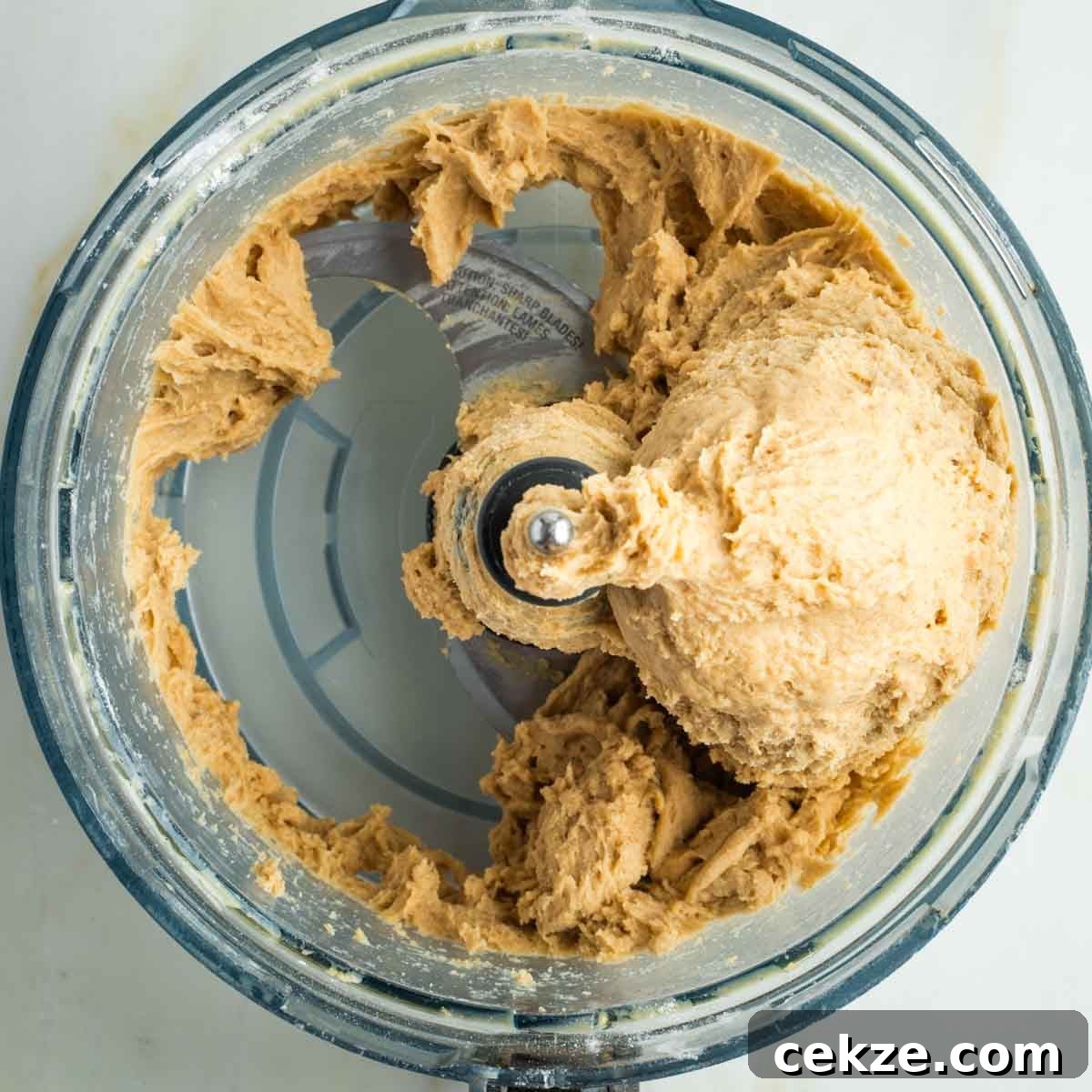
The dough should pull away from the sides of the bowl. If it sticks to the sides or the blade, sprinkle just one tablespoon of flour and mix again. Add more, one tablespoon at a time, only if necessary. The dough should be slightly tacky but not cling to your hands.
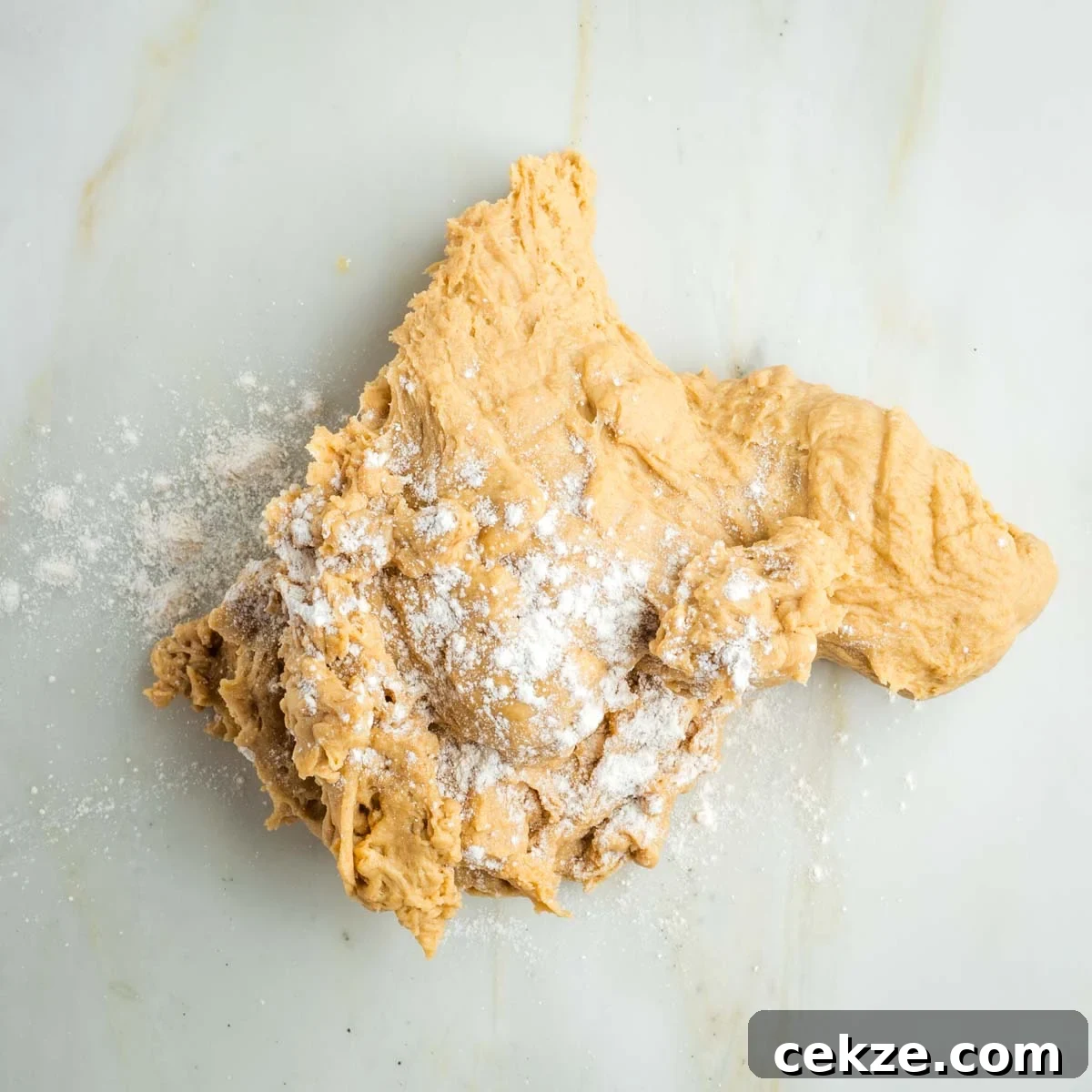
Turn the dough onto a lightly floured surface and knead briefly until it forms a smooth ball.
Form the dough into a smooth ball. Lightly dust with a teaspoon of flour only if needed to prevent sticking.
Place a tablespoon of oil in a large bowl, set the dough ball inside, and turn it to coat with oil.
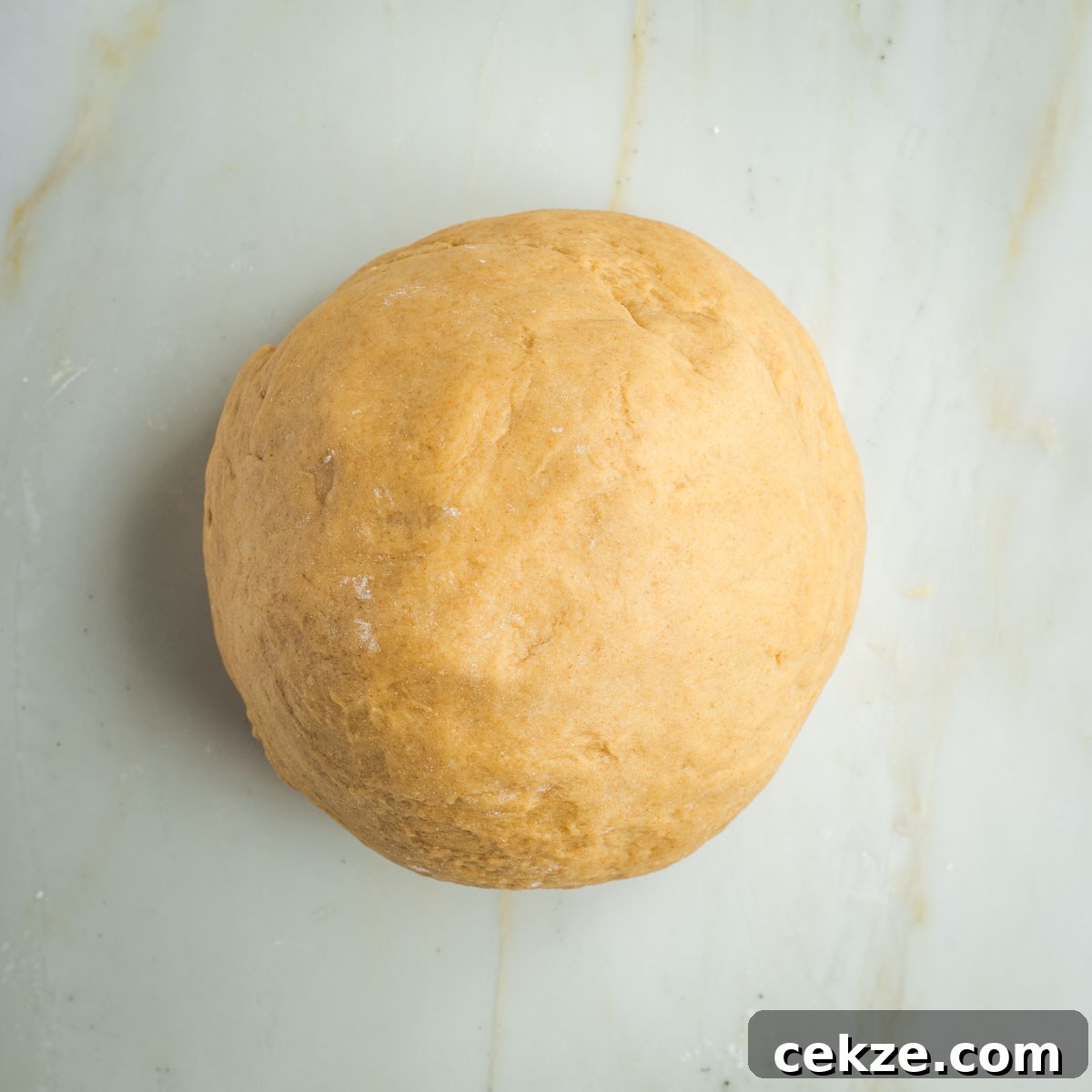
Cover the bowl with a kitchen towel and let the dough rise in a warm spot for at least 2 hours, until light and airy and more than doubled.
Divide and Braid
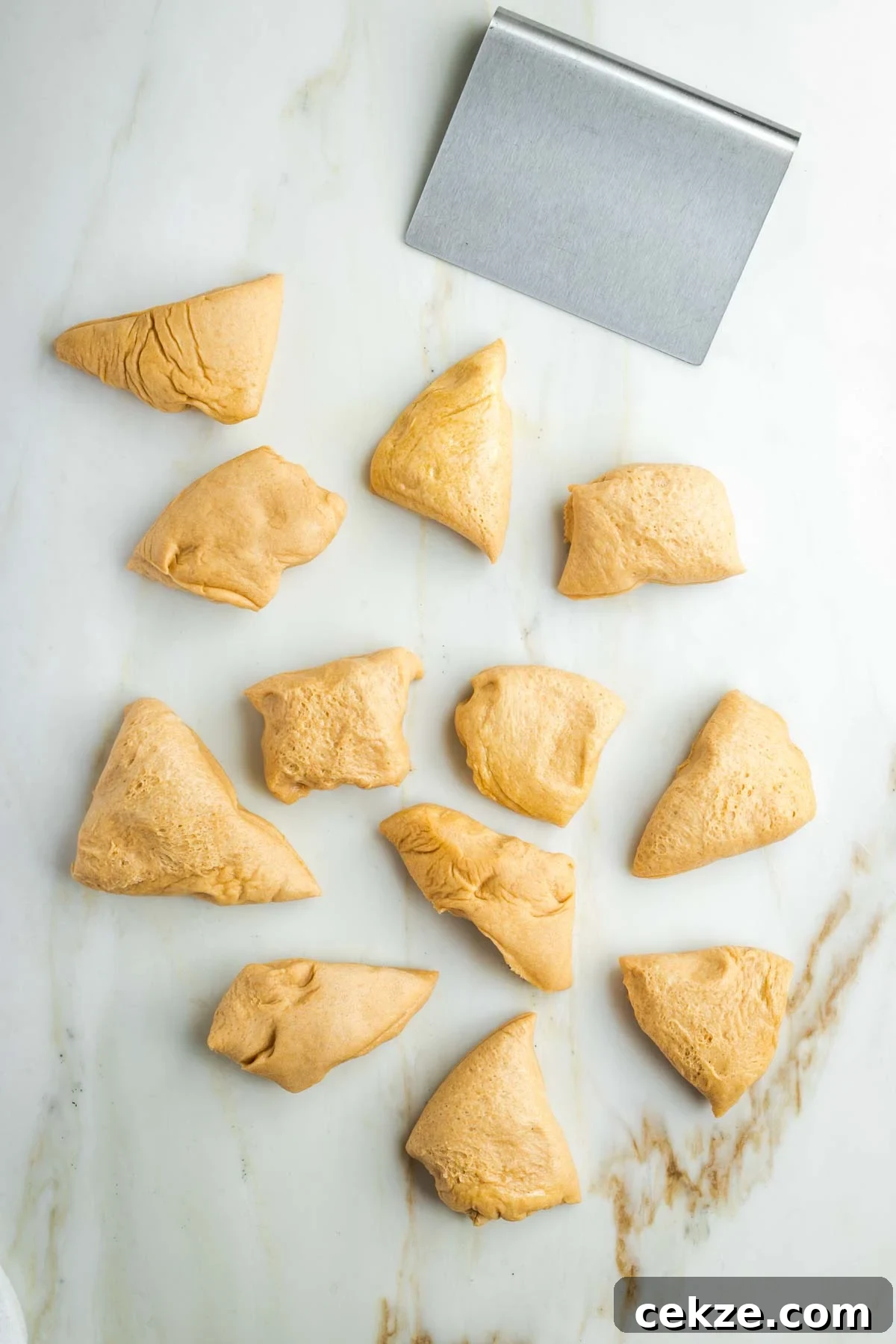
This recipe yields three medium round challot. Divide the dough into 12 equal pieces (about 3 oz each). A dough scraper is useful, or divide by hand: halve, then halve those pieces until you have 12.
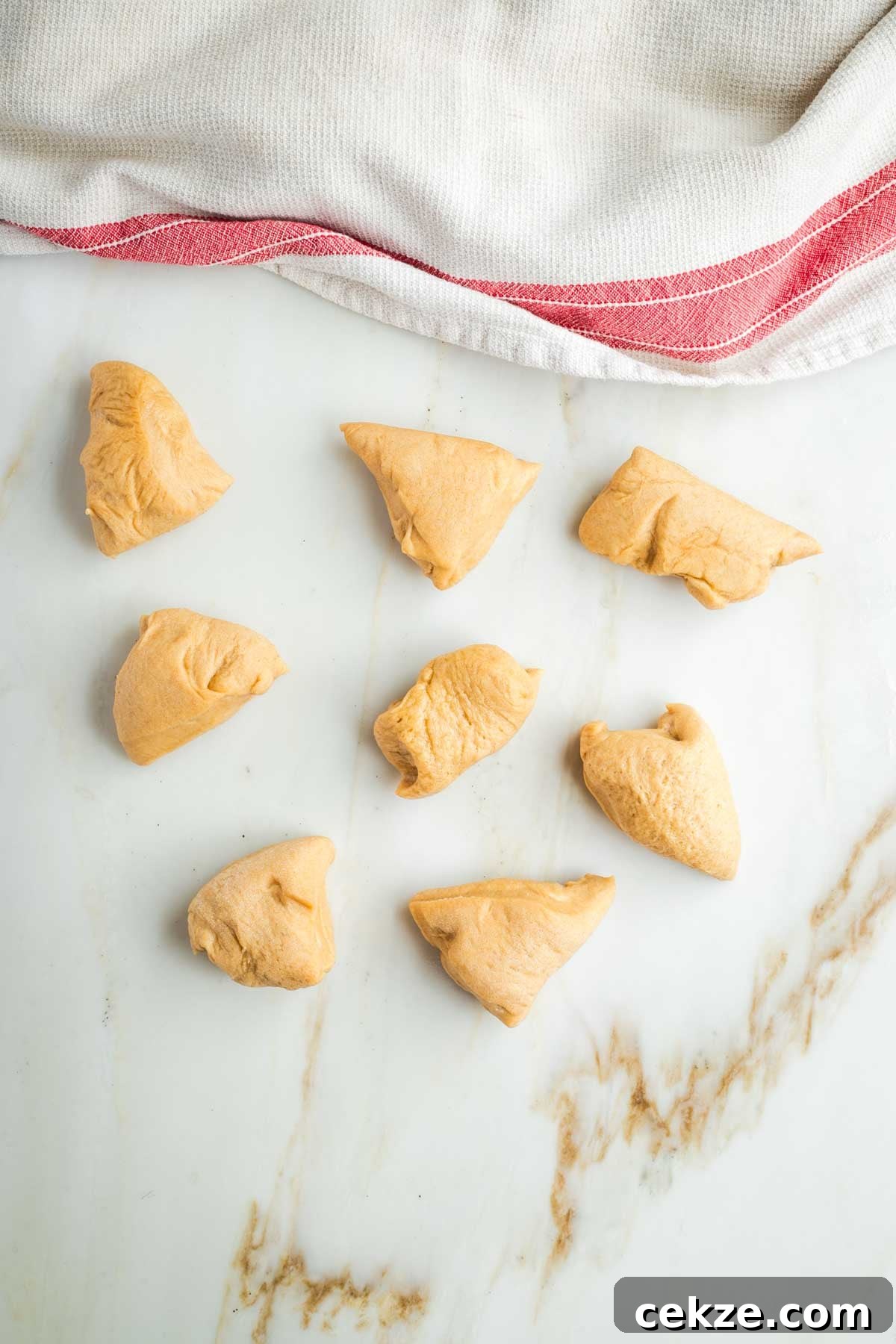
Keep unused pieces covered with a towel so they don’t dry out. Each loaf uses four of the 12 pieces; for an eight-strand braid, cut each piece in half to create eight strands per loaf.
8 Strands Rolled in Seeds
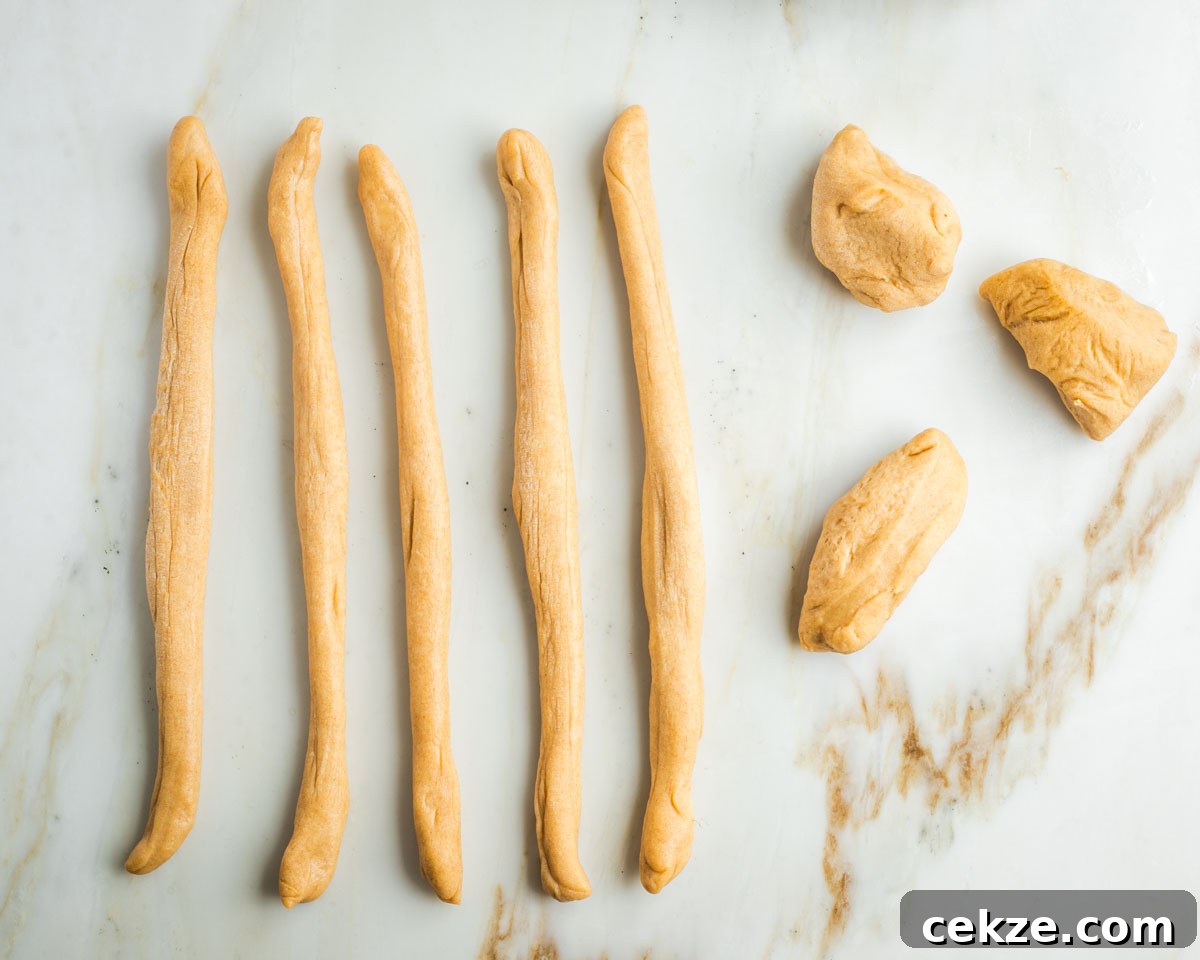
Roll each piece into long rope-like strands. Keep them uniform in length even if some are thinner or thicker.
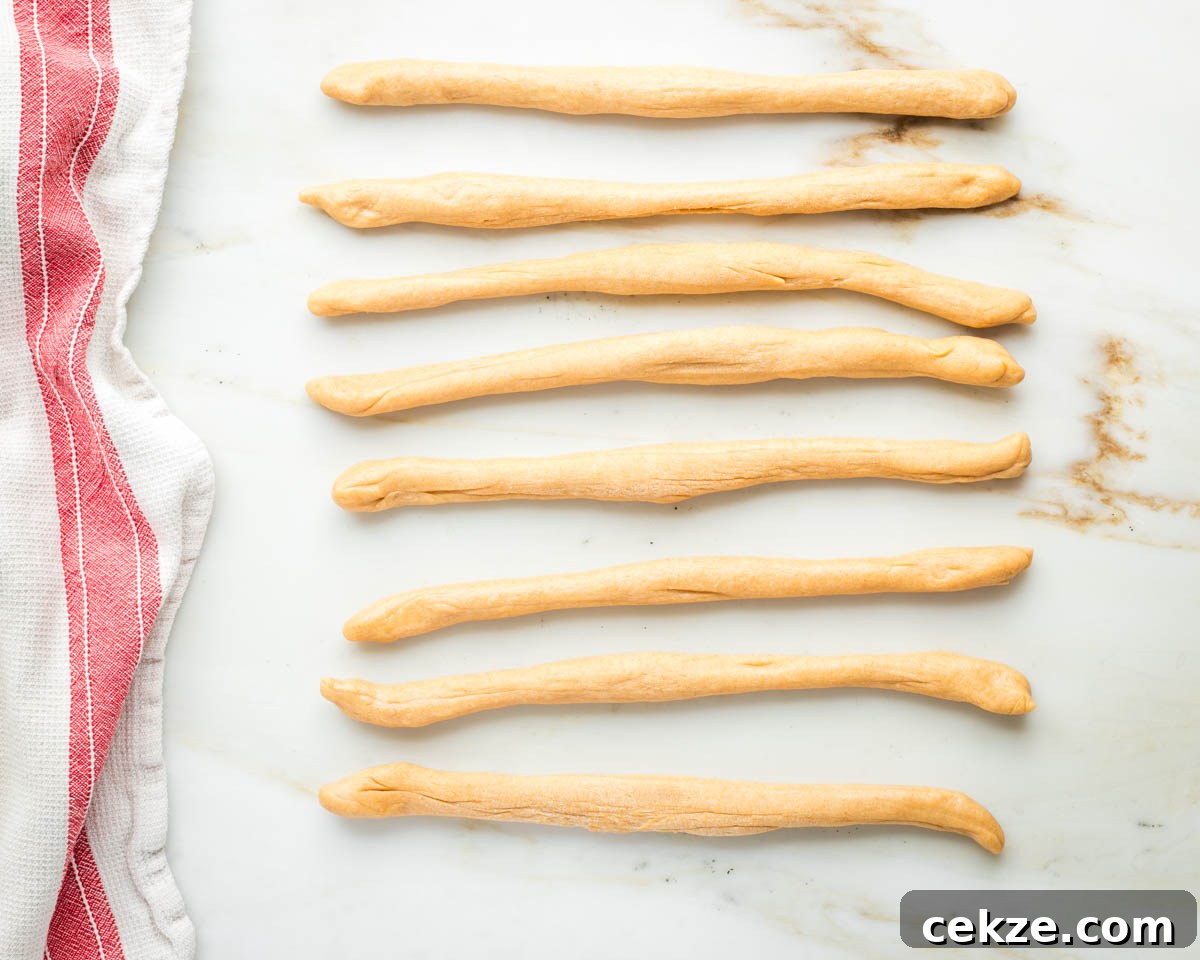
Make lengths consistent so the braid looks balanced when formed into a round.
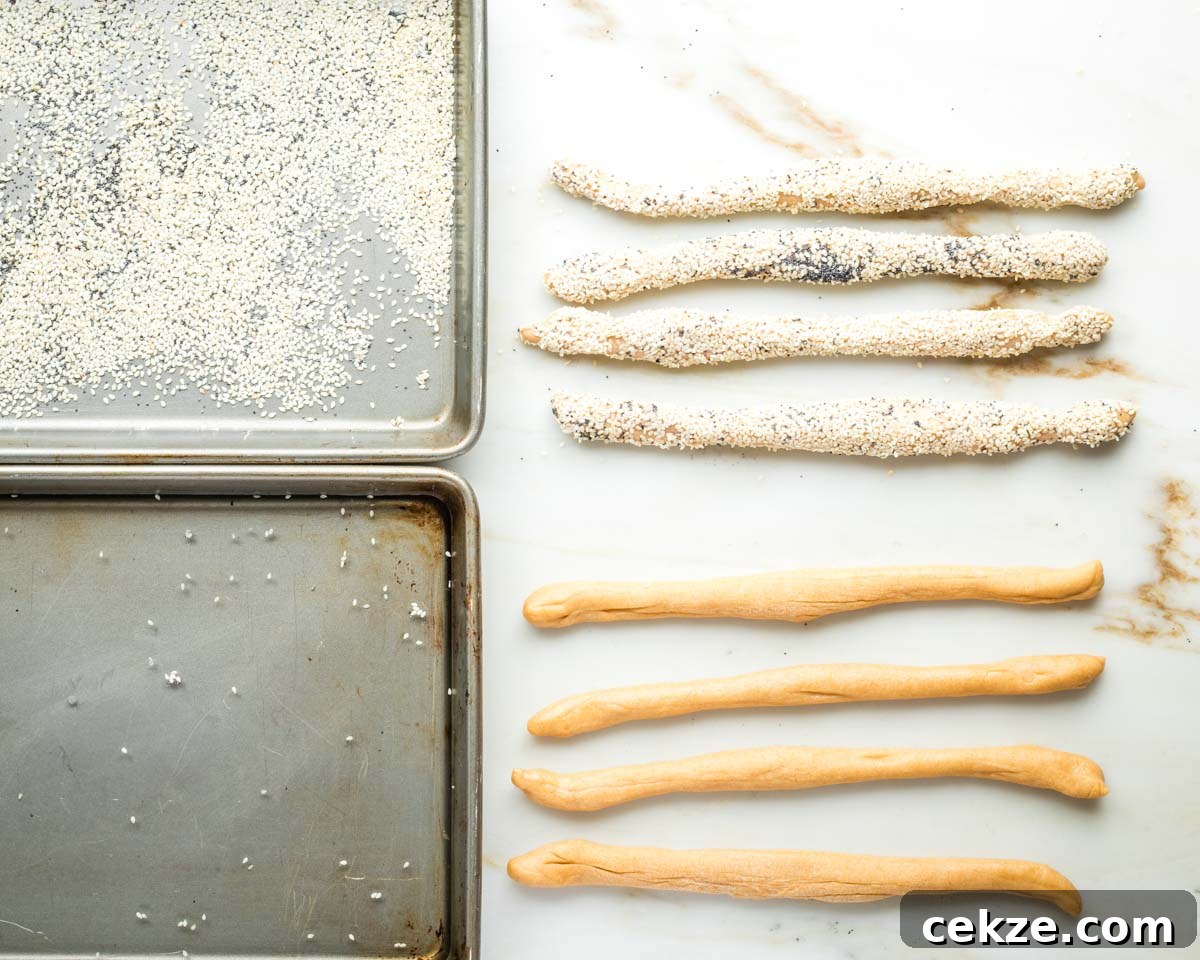
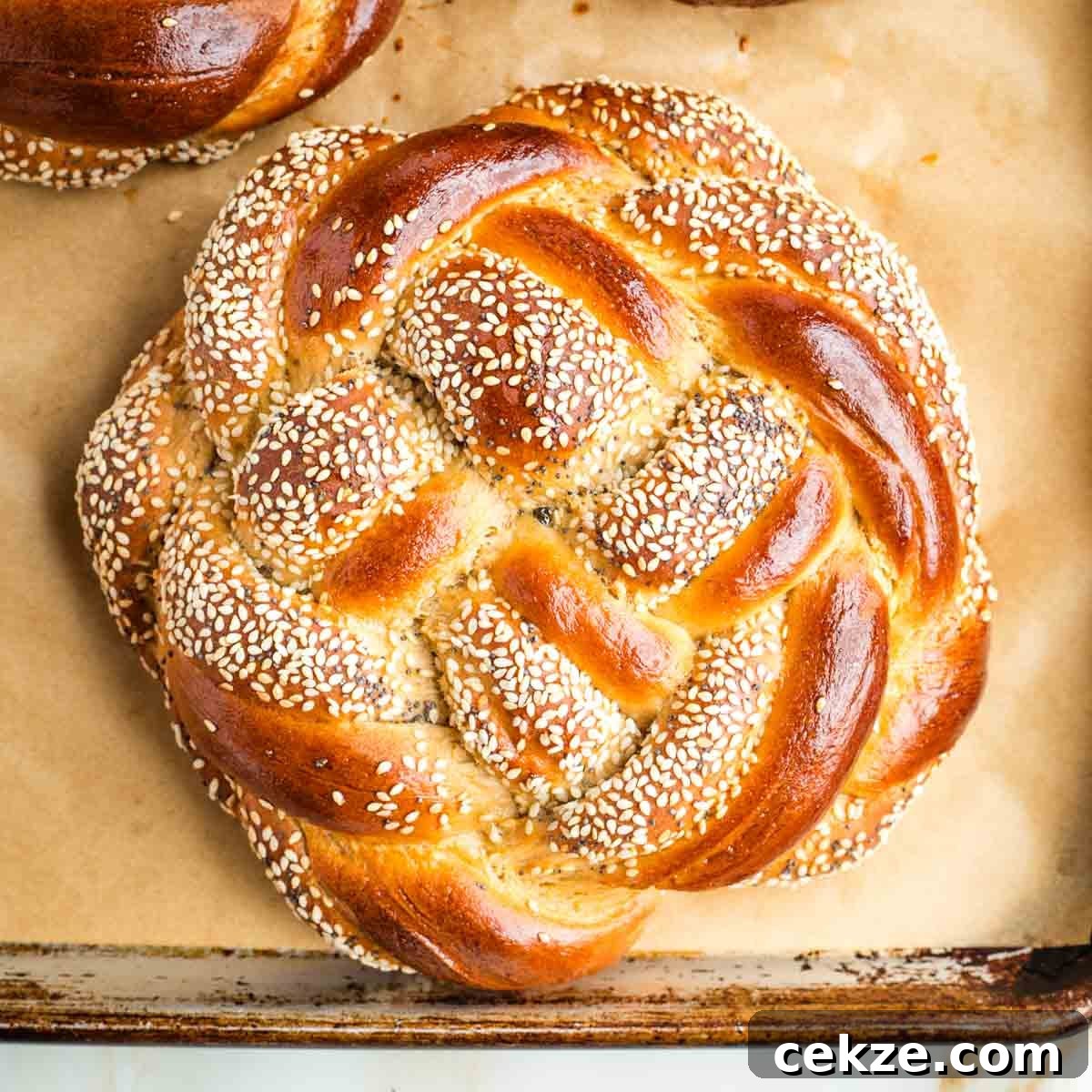
Prepare a rimmed tray of water and another with sesame and poppy seeds. Wet half the strands and roll them in seeds so you get a mixed seeded/plain appearance.
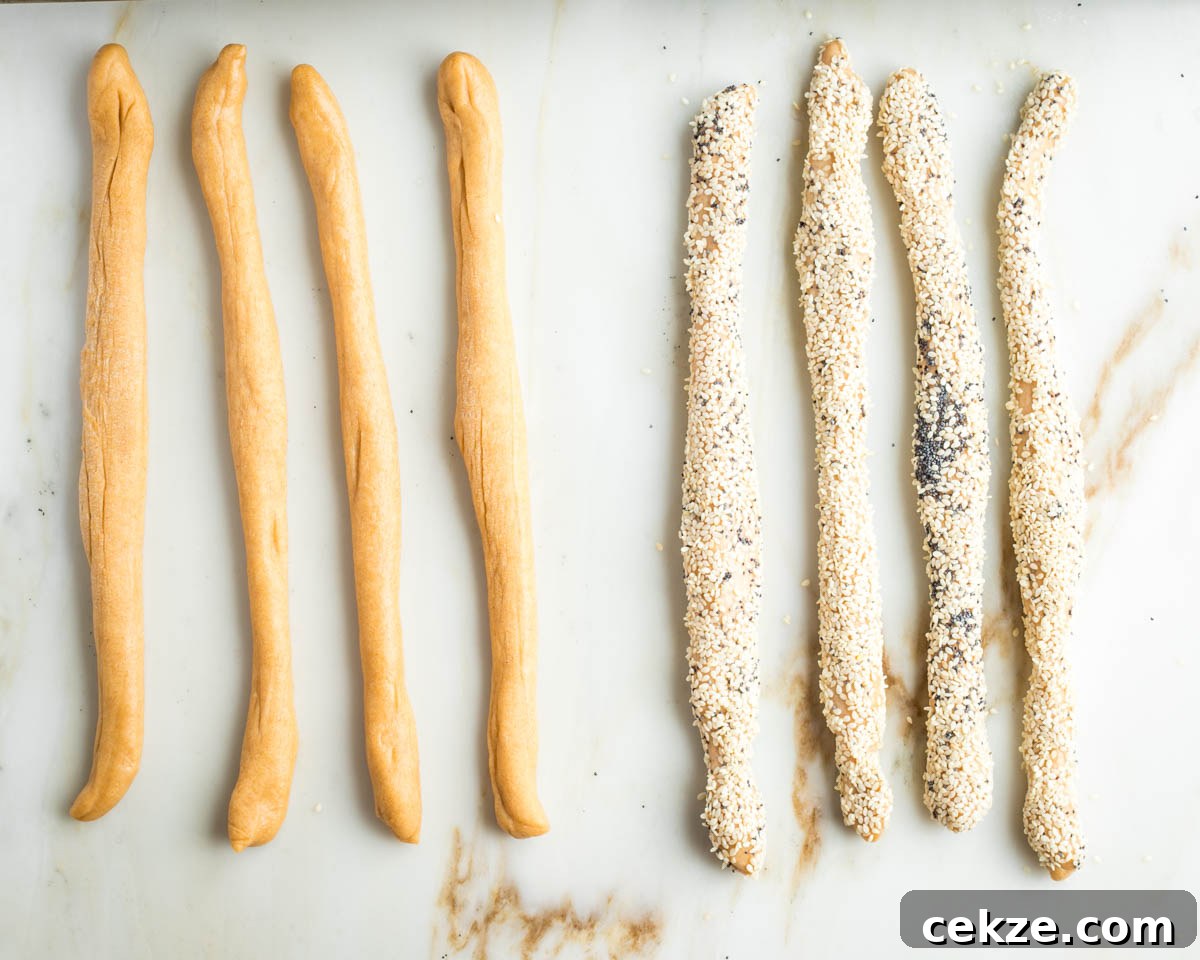
Lay a plain strand and a seeded strand next to each other to form a grid. Treat each pair as one unit when braiding.
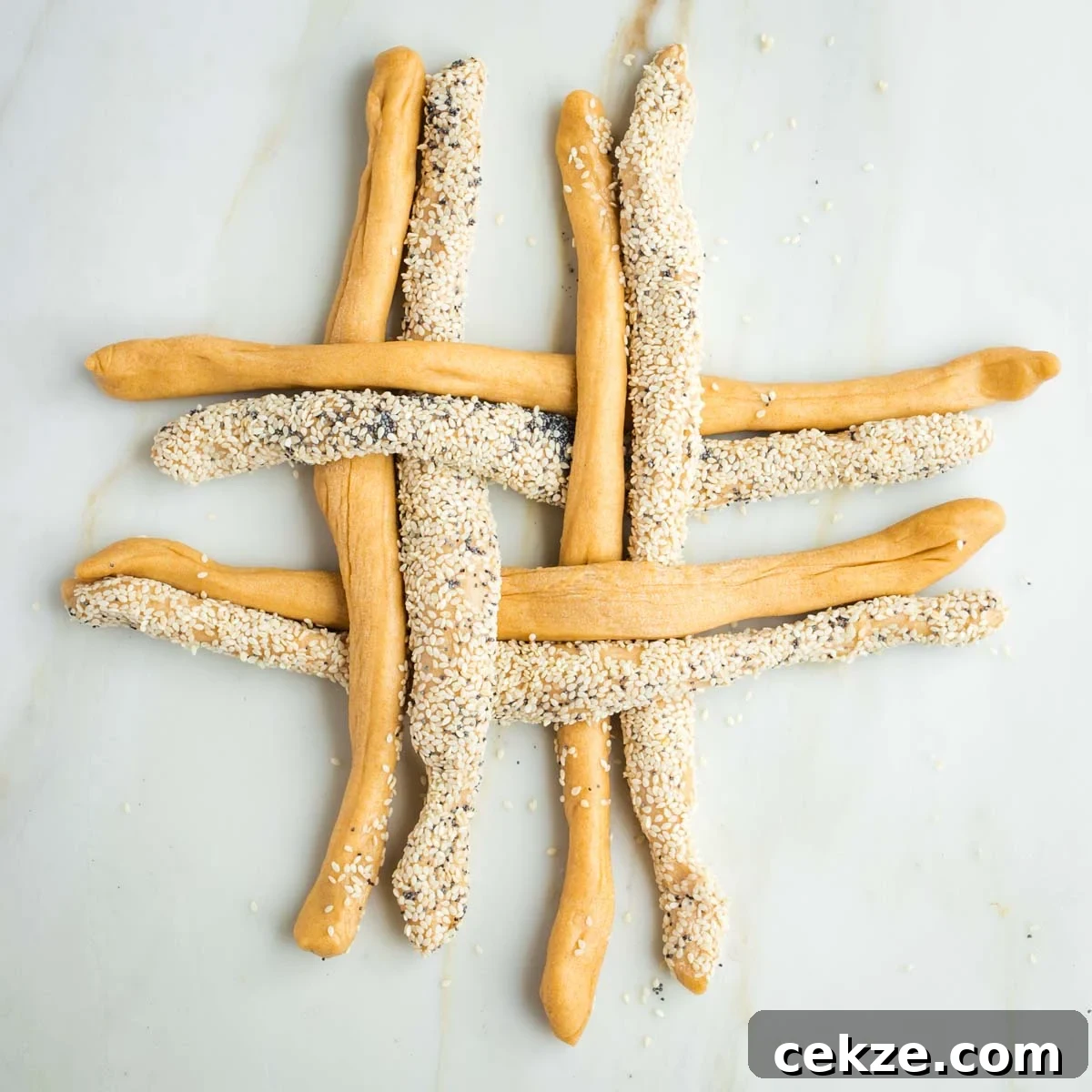
Continue crossing groups over and under in an over/under pattern, working around the circle. When strands become too short, pinch the ends together and tuck them underneath the loaf for a neat finish.
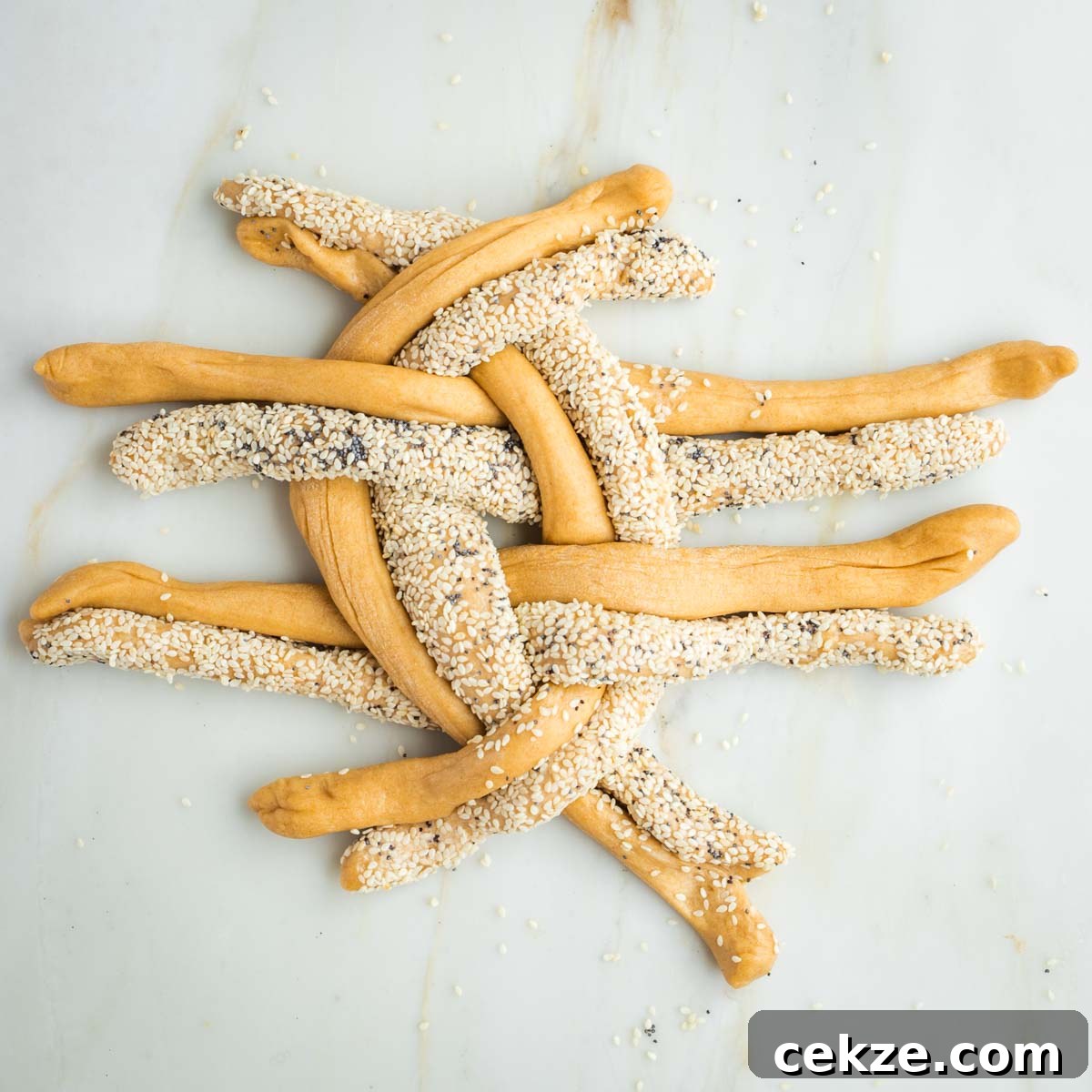
Keep seeded and plain pairs together as you braid so the pattern shows through when baked.
4 Strands Round Braid
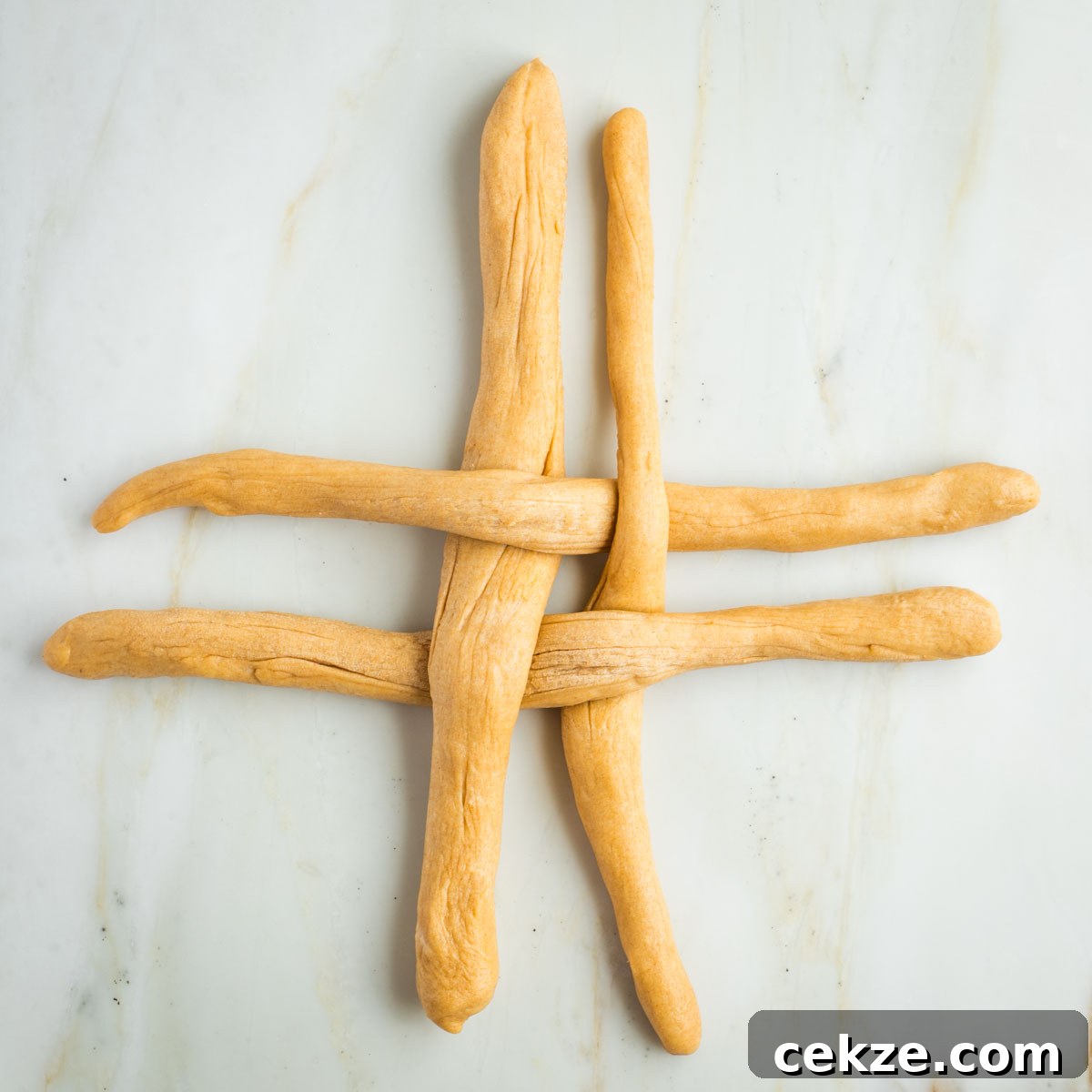
For a four-strand round braid, roll pieces into ropes of equal length. Start with two horizontal and two vertical strands in a grid and alternate over and under.
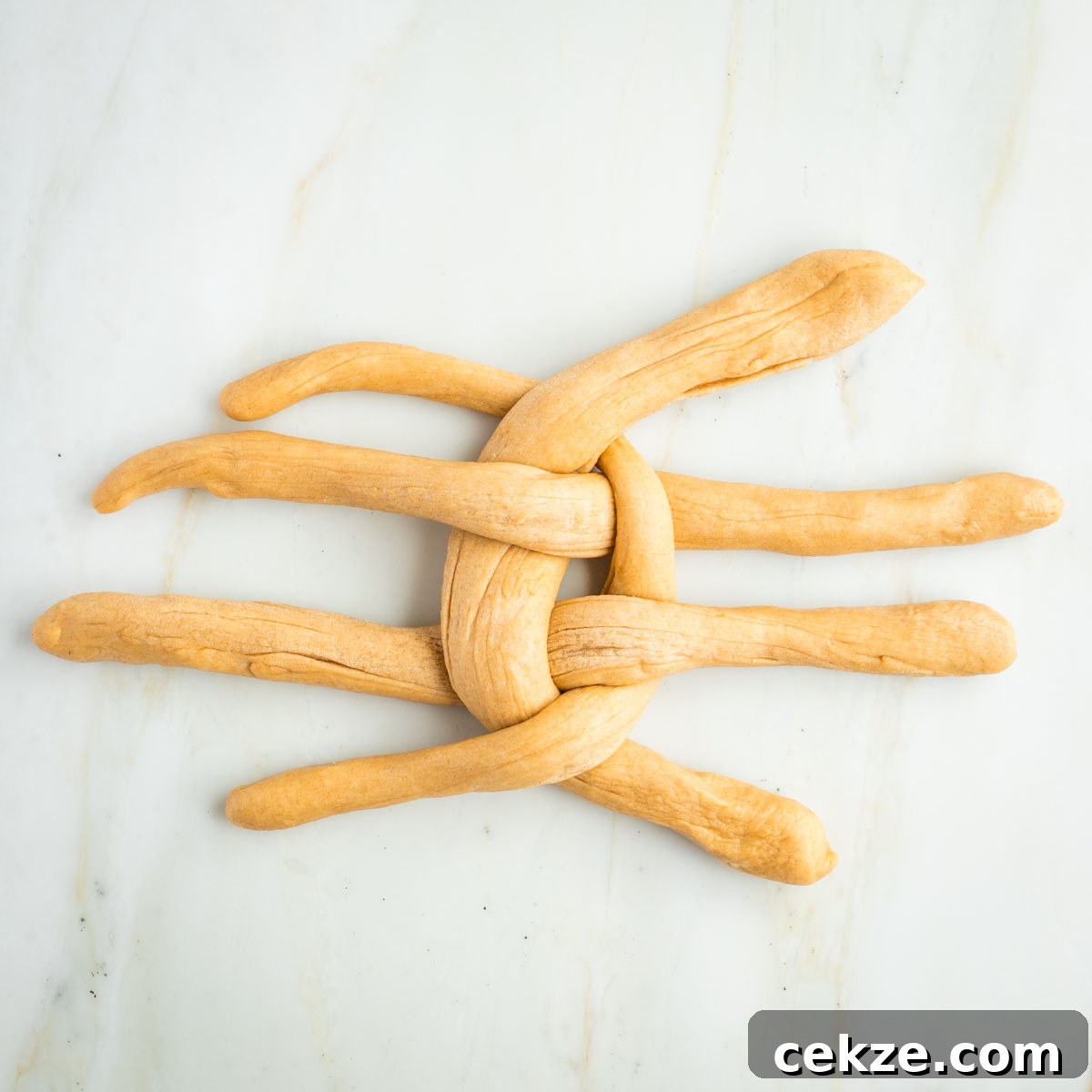
Cross the top strands, then the bottom strands, continuing the over/under pattern as you work around in a circle.
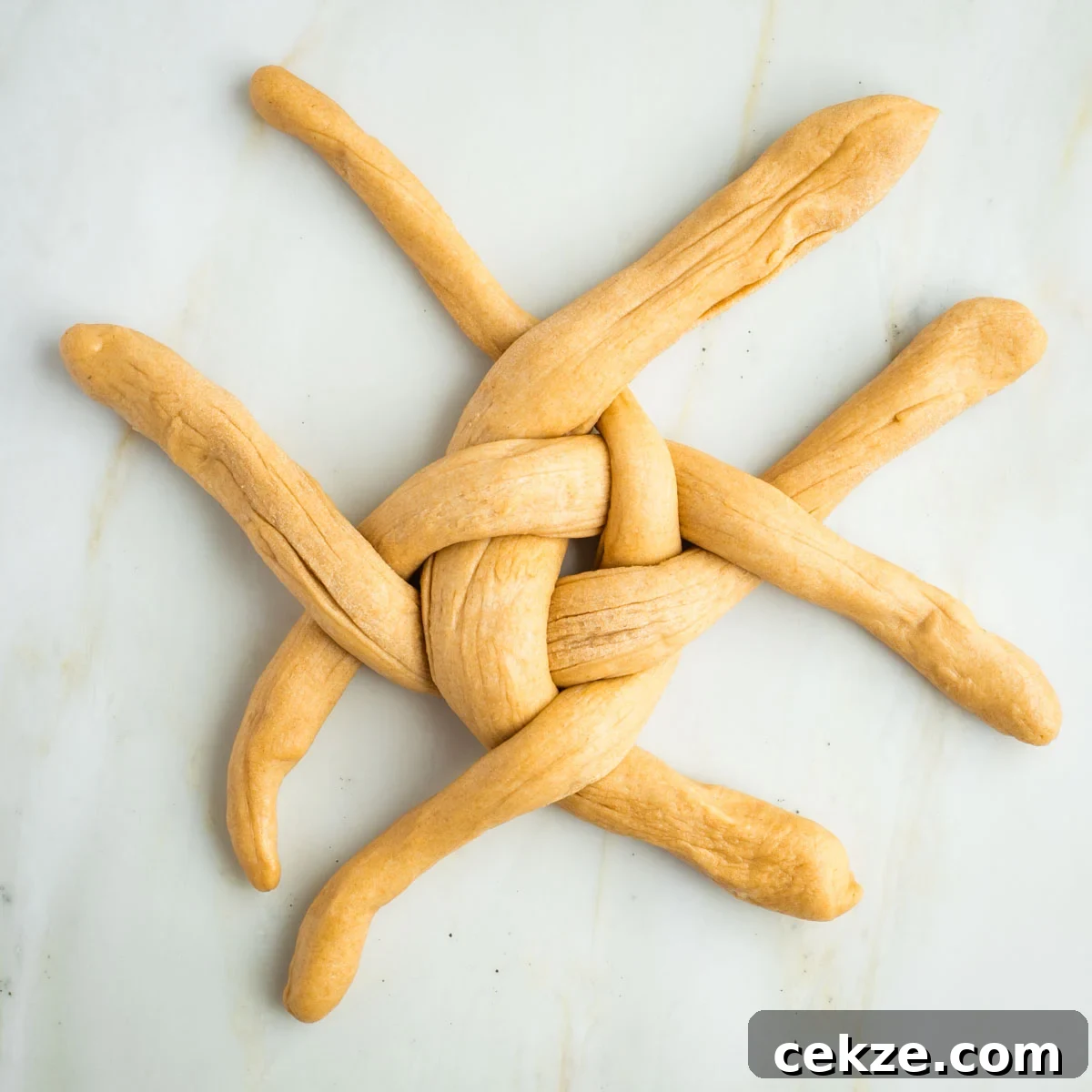
Work in a circular pattern until the ends are too short to continue. Pinch or tuck the ends under the loaf for a tidy round shape.
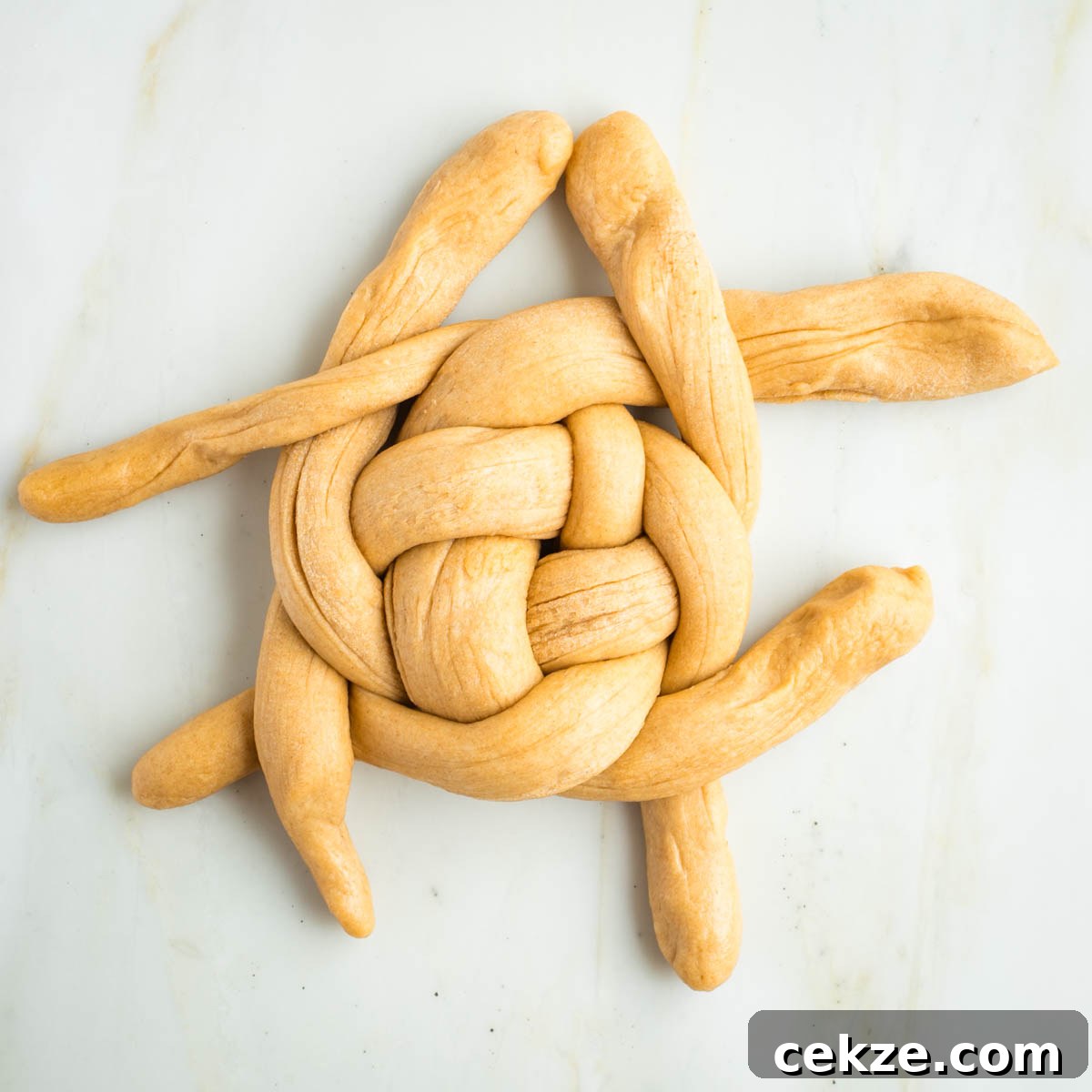
The result is a rustic, round braided loaf—perfect for holiday tables.
Second Rise and Bake
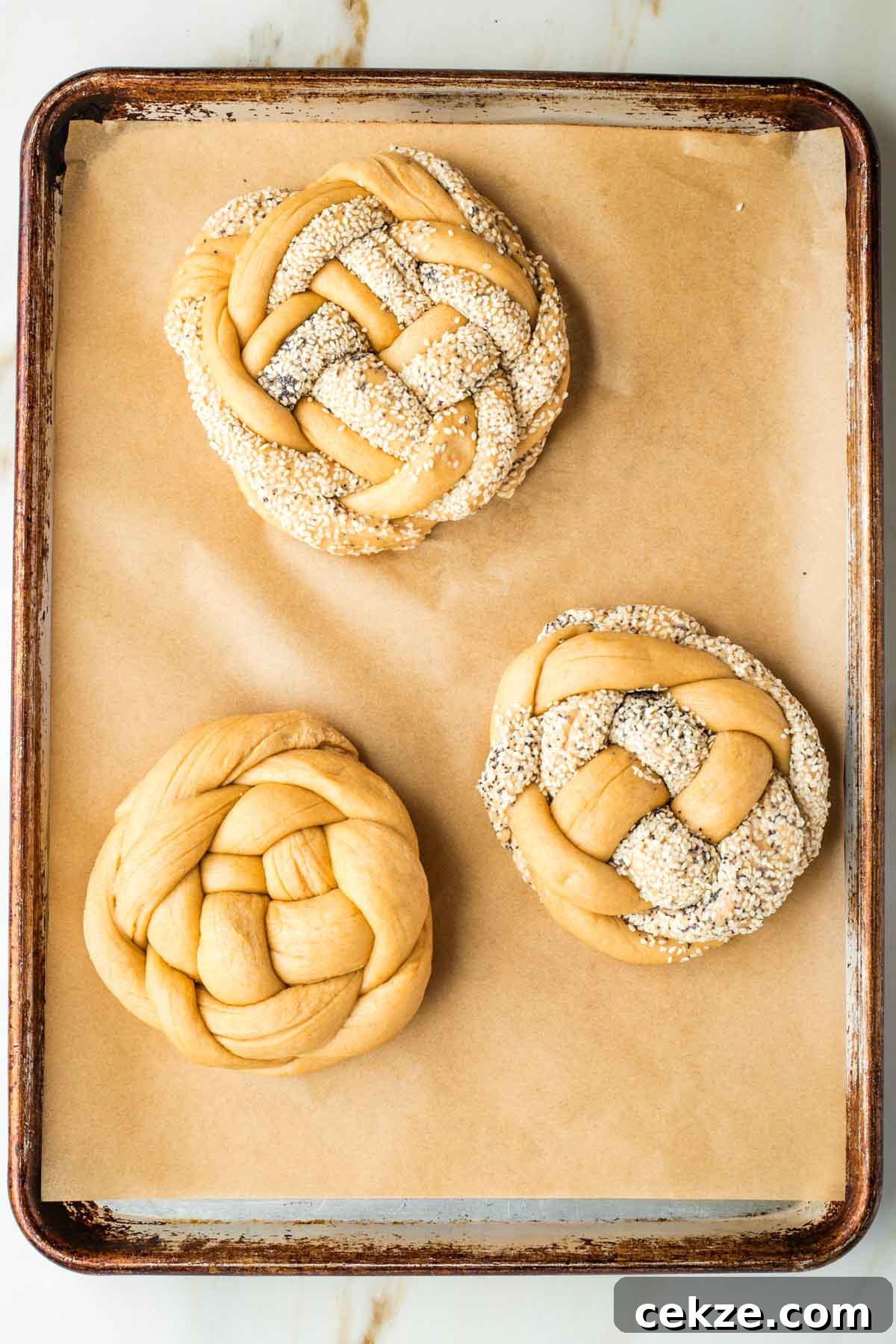
Place braided loaves on a rimmed baking sheet lined with parchment or a silpat mat.
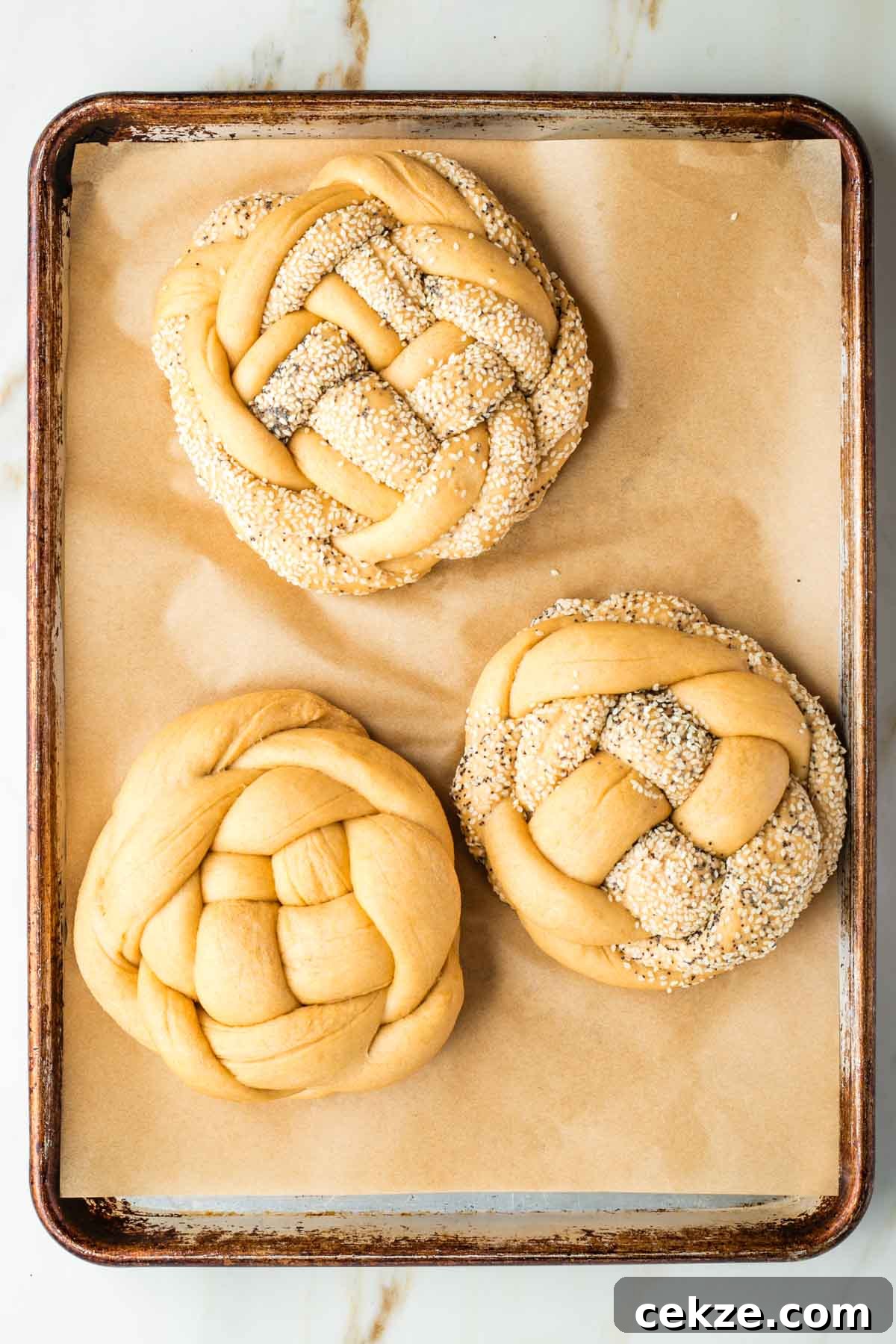
Cover with a kitchen towel and allow about 1 hour for the second rise. The loaves will swell, though they may not fully double.
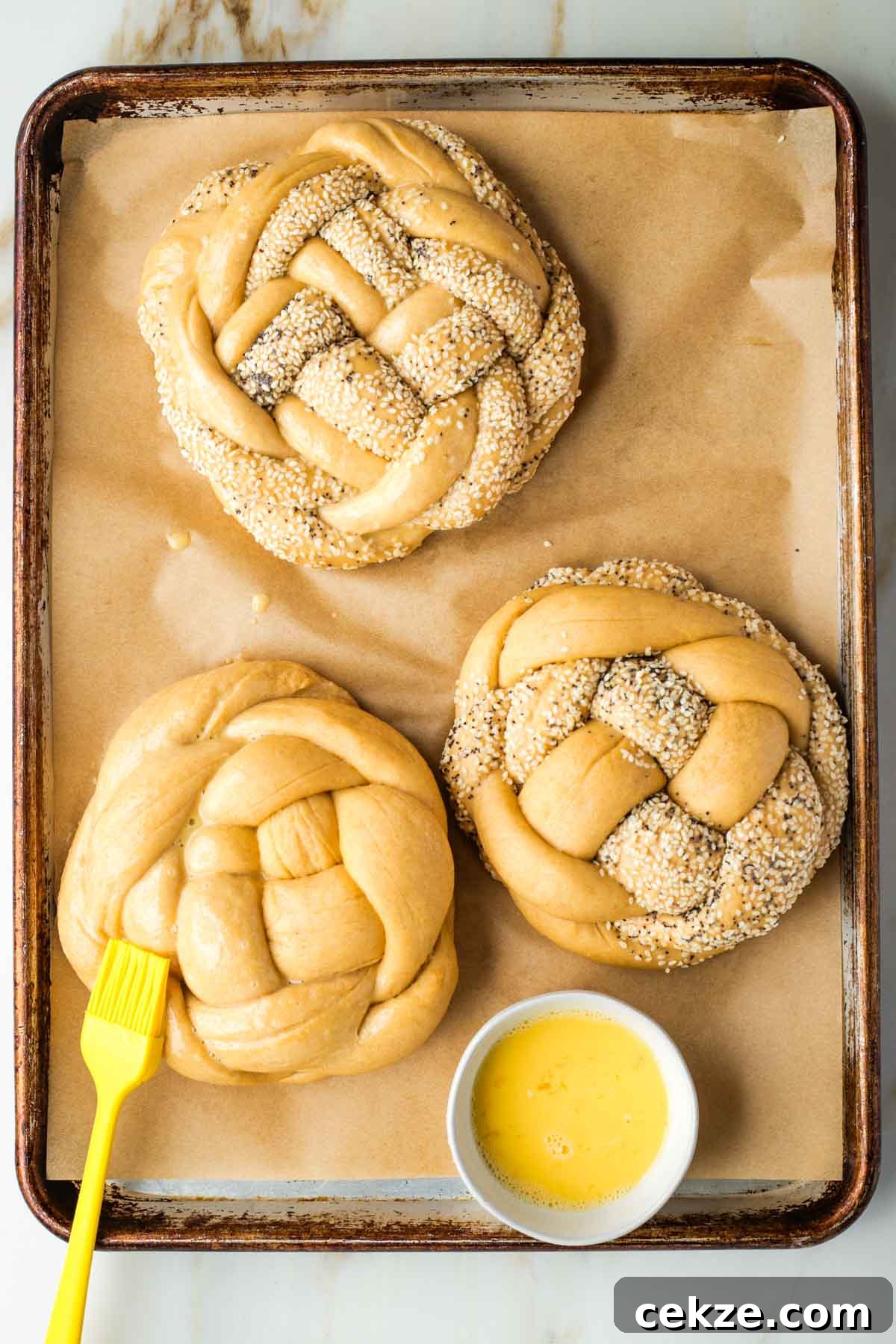
Preheat the oven to 350°F. Whisk an egg until frothy and brush all exposed dough with the wash—skip areas already covered in seeds.
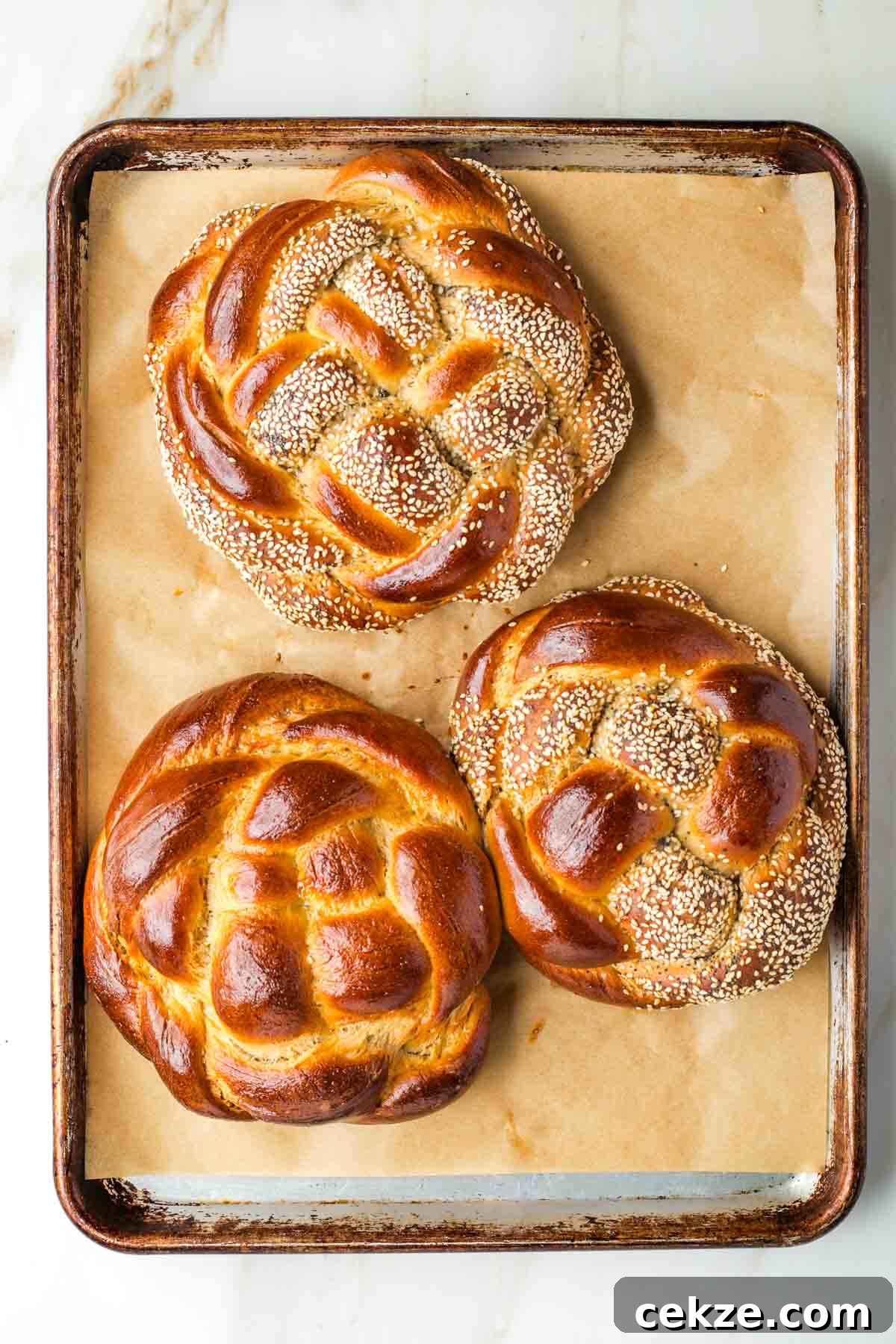
Bake at 350°F for about 30 minutes, until the loaves are a deep golden brown.
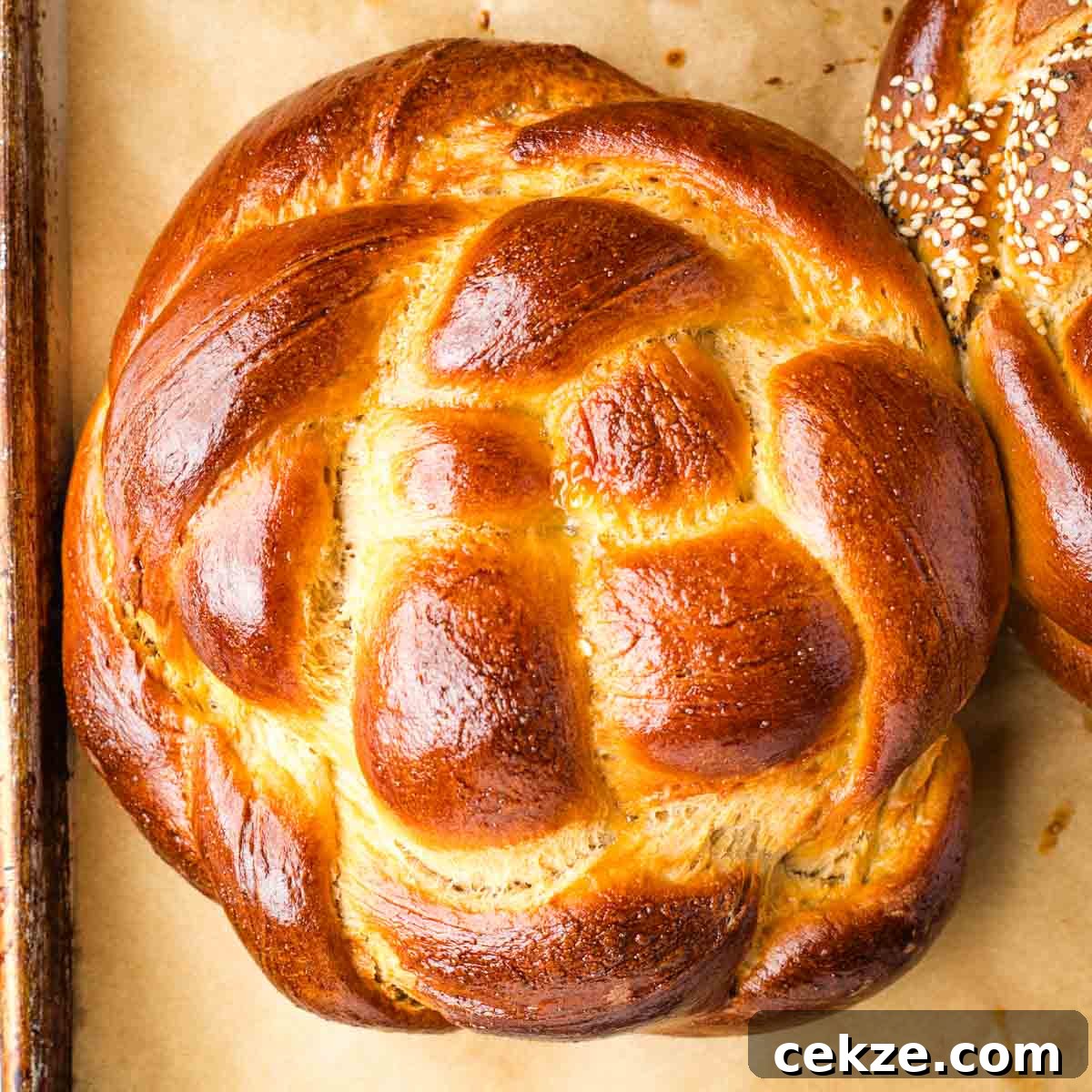
Allow the loaves to cool completely before wrapping. Stored in an airtight container, challah stays fresh for about a week, and tastes best within 3–4 days. After that, use it for French toast, croutons, or breadcrumbs.
For longer storage, cool completely, wrap in plastic, then in foil, and freeze. Thaw at room temperature before serving and rewarm gently in a 300°F oven if desired.
Debra’s Pro Tips
- Proofing the yeast: Refer to the yeast photos as a guide. If it doesn’t proof, don’t continue—try again.
- Patience: First rise: 2–3 hours (longer if needed). Second rise: about 1 hour.
- Warm rising spot: A sunny window or an oven set to a proofing temperature (around 100°F) works well.
- Don’t worry about perfect braids: Imperfect braiding still yields delicious, homemade challah—made with love.
- Practice: The more you make challah, the easier it becomes. Start where you are and give yourself time to improve.
If you try this recipe, consider leaving a rating and sharing a photo—home-baked challah is a joy to make and share.
📖 Recipe
Sweet Round Challah Bread Recipe
Equipment
-
Food Processor (optional)
-
2-cup glass measuring cup
-
Large rimmed baking sheet
-
Kitchen scale (optional)
-
Thermometer (optional)
Ingredients
- 1 cup hot water (105–110°F)
- ½ cup honey
- 2 ¼ tsp active dry yeast
- ¼ tsp salt
- ¼ cup olive oil
- 2 large eggs
- 2 ½ cups whole grain bread flour
- 2 ½ cups whole grain all-purpose flour
- 1 tbsp olive oil (for the bowl)
Optional Wash and Sprinkle
- 1 large egg (for wash)
- 2 tbsp sesame seeds
- 1 tbsp poppy seeds
Instructions
Proof Yeast
- Measure 1 cup hot water (about 105–110°F). Pour the honey into a 2-cup measuring cup, add the salt and yeast, and stir.
- Let sit at least 5 minutes until the mixture bubbles and becomes frothy.
Make the Dough
- Mix the olive oil and eggs in a food processor or stand mixer until frothy.
- Add the proofed yeast mixture and process until combined.
- Add half the combined flours and process until incorporated, then add the remaining flour and knead about 3 minutes.
- If dough sticks to the bowl or blade, add 1 tablespoon flour at a time until the dough pulls away from the sides but remains slightly tacky.
- Turn the dough onto a lightly floured surface and knead briefly into a smooth ball.
- Place the dough ball in a large oiled bowl, turn to coat, cover with a towel, and let rise in a warm spot for at least 2 hours.
Braid and Prep the Loaves
- Line a large rimmed baking sheet with parchment.
- Divide the dough into 12 equal pieces (about 3 oz each). Each loaf uses four pieces (or cut each into halves for an 8-strand braid).
- Roll pieces into ropes and braid into round loaves using either the 4- or 8-strand method shown above. For seeded strands, wet them and roll in seeds before braiding.
- Transfer braids to the prepared sheet, cover with a towel, and let rise 1 hour.
Baste and Bake
- Preheat oven to 350°F.
- Whisk an egg and brush the exposed dough. If you didn’t seed the strands earlier, sprinkle seeds now if desired.
- Bake for about 30 minutes, until deep golden brown.
- Cool completely on a wire rack before storing. To freeze, cool fully, wrap in plastic and foil, and defrost at room temperature before reheating gently if desired.
Notes
Flour: I often use stone-milled whole grain flour and mix whole wheat bread flour with whole wheat all-purpose for best texture. The recipe calls for about 5 cups combined; you may need 1–3 tablespoons extra if the dough is sticky. Use a kitchen scale for precision if available.
Nutrition information is an estimate based on dividing three challot into portions; calculate with your actual ingredients for most accuracy.
Nutrition
Carbs: 24 g
Protein: 4 g
Fat: 5 g