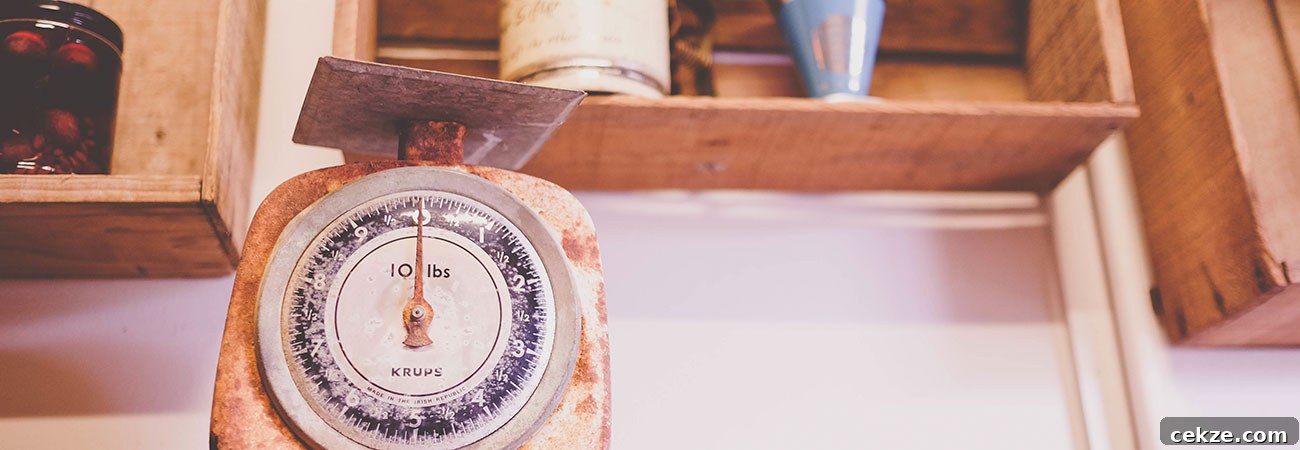
Recipes for Beginners.
Cooking can feel intimidating at first. Many new cooks follow recipes word-for-word, worried that any change will ruin the meal. It’s natural to look for the simplest “recipes for beginners” to avoid mistakes, but there’s an important idea to accept early on: recipes are guides, not commandments. Once you understand that, your confidence and skill will grow much faster.
But it’s scary!
For a beginner, kitchens can look hazardous: sharp knives, hot pans and unfamiliar techniques. That stress can make you fear wasting food or serving something inedible. The reassuring truth is that most food is forgiving. If you eat a variety of things, you’ll likely find that many combinations work, and small errors rarely lead to disaster. Starting simple is fine, but don’t let fear stop you experimenting.
Flow.
Think of recipes like traffic: ingredients and steps move and shift depending on timing, heat and personal habits. A written recipe is a suggested list of components and a typical order to combine them. It’s designed to help, not to trap you. Early on, many cooks treat recipes as gospel, searching for exactness where none can realistically be guaranteed. Phrases like “simmer for 6–8 minutes,” “sauté until softened,” or “a handful of” can frustrate beginners. Those instructions assume you’ll learn to read visual and tactile cues rather than follow a stopwatch.
There are many reasons for that vagueness: varying stovetops and pans, differences in what people consider “medium” heat, and how finely ingredients are chopped all affect timing. Measuring tools help, but individual interpretations still vary. Because of these variables, the recipe writer can’t predict exactly how you’ll execute the dish—and that’s okay.
Recipes are flexible. Most aren’t legally required to be followed exactly. Treat them like paint-by-numbers rather than blueprints: staying inside the lines often produces reliable results, but stepping outside them can lead to new, pleasant discoveries. Even if the result is imperfect, it will be yours, and that ownership matters. Your version of a dish will often be something you love, even if others don’t.
Resistance is futile.
Embrace the uncertainty. The variability in recipes is not a flaw but a fact of cooking. Experimentation is how you learn what you like and how flavors interact. I once overused smoked paprika in a dressing and realized it overwhelmed the dish; the next time I restrained it and achieved a more balanced result. That lesson came from trying and adjusting, not from reading instructions alone.
If you’re unsure about flavors, start small and taste as you go. Adjust spices, acid and salt gradually. Over time you’ll build an internal sense of balance. Remember, you’re rarely in control of every factor—different batches of spices, substitutions on hand, or slightly different produce all change outcomes—so it’s better to relax and enjoy the process.
It’s out of your control.
No matter how many times you make the same dish, it will never be identical. Minor substitutions and variations—using chicken instead of vegetable stock, swapping vegetables, or missing an ingredient—change the result and give you new learning opportunities. Accepting that unpredictability makes cooking less stressful and more creative.
As you experiment, you’ll discover combinations you enjoy and learn how much of each ingredient works for you. Don’t be afraid to tweak seasoning levels, swap vegetables, or add a chili for heat. These small changes are how your personal cooking style develops.
One last thing…
Here’s a simple guideline to keep in mind: respect structural ingredients like flour, eggs and core liquid quantities in recipes where they affect texture or chemistry (for example, baked goods or stocks). You can usually swap types—wholemeal for plain flour, chicken for vegetable stock—but keep the quantities until you gain experience. Nearly everything else—spices, herbs, sauces and many vegetables—is negotiable. Swap ingredients, add more garlic, try different spices, or change quantities to discover what you like.
Approaching recipes as outlines rather than strict rules gives you freedom and encourages discovery. Try adding a hint of cinnamon to your next cake or an unexpected herb to a stew. Small rebellions in the kitchen often lead to new favorites. Relax, experiment, and enjoy the process of making food your own.