 Cooking meat to the right doneness is one of those small but important domestic skills. Few things are more awkward than serving undercooked poultry or cutting into a steak that is unexpectedly gray in the middle. Fortunately, you don’t need to rely on guesswork or feel your way around a piece of meat to tell when it’s done.
There are traditional cues for different types of meat—clear juices for cooked chicken, or the familiar finger test for steak—but these methods can be imprecise and stressful, especially when you’re cooking for others. The simplest, most reliable solution is straightforward:
BUY A MEAT THERMOMETER.
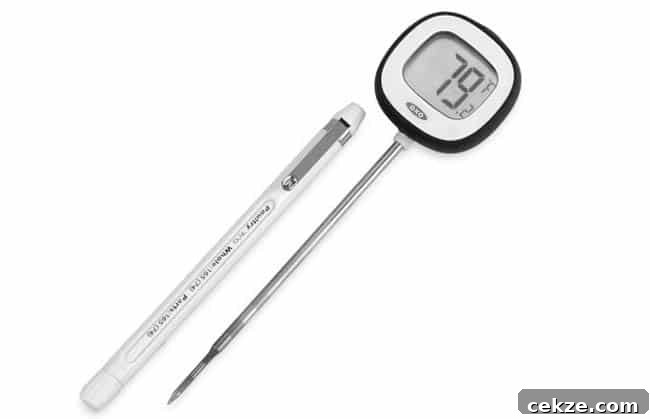
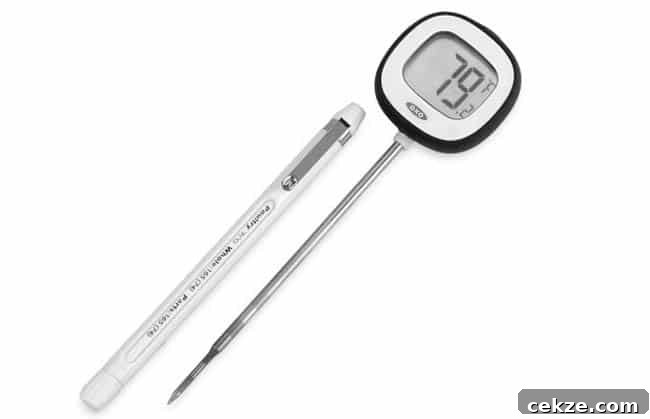
An instant-read thermometer is inexpensive, widely available, and fast. Insert the probe into the thickest part of the meat and read the temperature. A good thermometer removes uncertainty and helps you hit safe and preferred doneness every time. Below is a concise guide to best practices when using a thermometer and things to remember about temperature and resting.
Keep these tips in mind when checking internal temperature:
1. Resting is essential. After removing meat from the heat, let it rest for at least 10 minutes so the juices can redistribute. During resting, the internal temperature will usually rise another 5–10°F (about 3–6°C). That carryover heat is important when planning your target temperature. For example, if you want a turkey to finish at 165°F, you may take it out of the oven around 150–155°F so it reaches the final temperature while resting.
2. Minimize punctures. Every time you probe meat you create a pathway for juices to escape. Try to check temperature in one or two strategic spots rather than repeatedly stabbing the meat. Fewer holes = juicier results and a better-looking presentation.
3. Avoid touching bone. When inserting the thermometer, make sure the probe does not touch bone. Bone conducts heat more rapidly than muscle and will give a falsely high reading, which can lead to overcooking.
4. Probe the thickest part. For whole roasts, breasts, or large cuts, insert the thermometer into the center or the thickest section away from fat and bone. For thinner cuts or ground meat patties, aim for the center. This helps ensure the reading represents the part of the meat that takes the longest to cook.
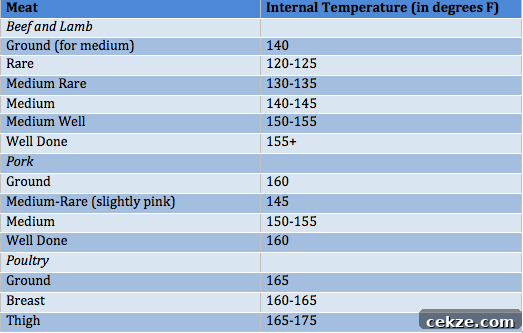
5. Know safe temperatures. Different proteins and preparations have recommended internal temperatures for safety and quality. Follow established guidelines for poultry, pork, beef, lamb, and ground meats. A quick-reference chart can be handy in the kitchen so you don’t have to guess.
Using a reliable instant-read thermometer will remove much of the anxiety from cooking meat and improve results across the board. Whether you’re roasting, grilling, or pan-searing, a thermometer helps you serve meat that is both safe and cooked to your preferred level of doneness. With practice, checking temperature becomes a simple and fast step that boosts confidence and consistency.
Good cooking is mostly about attention to detail. A small investment in a quality thermometer will pay dividends in flavor, texture, and peace of mind. Bow to your inner sensei and let the probe do the guessing.
*If you have a question you’d like featured in a future edition of Domestic Details, feel free to leave it in the comments.