
One of the questions I’m almost always asked since starting culinary school is what kinds of meals I make at home. Do I suddenly spend my evenings preparing three-course dinners? Do I pack gourmet lunchboxes for Connor every night? Friends often assume that our meals are elevated now that I’m in culinary school. While we do eat well sometimes, the reality is much more ordinary—and that’s what I want to share.

I still struggle to come up with realistic weeknight dinner ideas, I enjoy a Trader Joe’s Tikka Masala frozen meal on occasion, and I crave Chipotle burrito bowls more than I’d like to admit. Most of us have a mental rolodex of recipes and inspirations—from blogs, restaurants, magazines, and cookbooks—but day-to-day life gets in the way. We open the fridge and feel like there’s nothing to work with, don’t want to make another grocery run, or simply lack the time or energy.
In those moments I almost always turn to flavor profiles for inspiration. After cooking classic French and European dishes at school, I often crave the opposite at home: Mexican, Italian, Asian, or Indian. Even though these cuisines are very different, the secret to any successful dish or pairing comes down to a single basic principle: balance.
Salt. Bitter. Sour/Acid. Sweet.
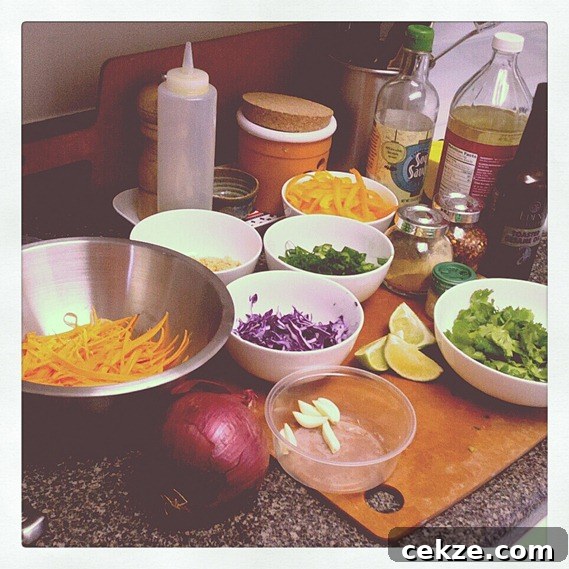
The biggest lesson I’ve learned since starting culinary school is this: balance your flavors and season food properly. It can be the difference between a dish that’s merely acceptable and one that’s memorable. The idea is simple in theory but often challenging in practice. I’m still learning—and I expect to be for a long time—but thinking in terms of balanced flavor has become a reliable source of inspiration on nights when I can’t decide what to make.
For example, here’s a recent impromptu Asian-style rice bowl I threw together:
Grilled tofu (marinated with soy sauce, garlic, ginger, sesame oil, and spring onions) served over sushi rice with stir-fried carrots, red bell pepper, red cabbage, and red onion. I topped it with sesame seeds, red pepper flakes, plenty of fresh cilantro, raw spring onions, and toasted crushed peanuts.
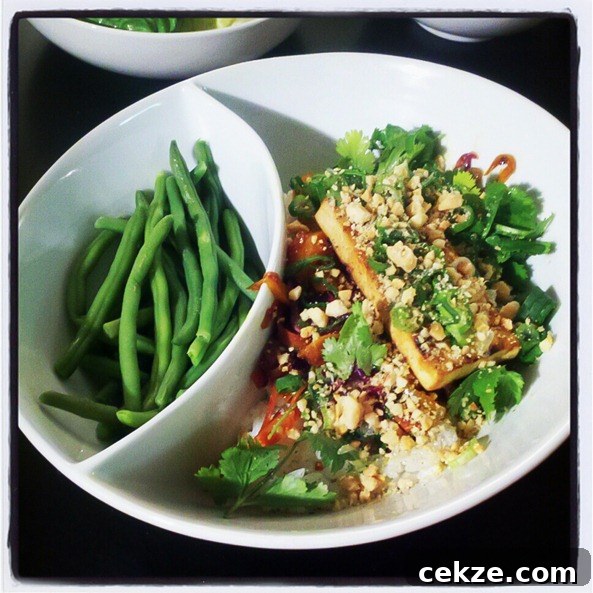
Finally, a good squeeze of lime juice took the bowl from “good” to “really good.” I was surprised how well it turned out, especially since it was put together on a whim. In the end, the success of the meal came down to balancing complementary flavors and textures:
Salt = soy sauce
Sweetness = sautéed red onions, bell pepper, carrots, and peanuts
Bitter = caramelized onions and grilled tofu
Sour/Acid = lime juice
Spicy/Heat = red pepper flakes, fresh ginger, cilantro
Texture = crunchy peanuts
If any of these elements had been missing, the bowl would likely have been less satisfying. That’s why my main piece of advice is simple: when you’re stuck deciding what to cook—or want to improve a dish—start with the basics of flavor balance. I still remind myself to do this all the time.
Thinking in terms of salt, sweet, bitter, acid, heat, and texture simplifies the cooking process and encourages creativity. If you want a reference to explore flavor pairings further, a popular resource is The Flavor Bible by Karen Page and Andrew Dornenburg—an inspiring book many cooks return to for ideas.
Happy Cooking!