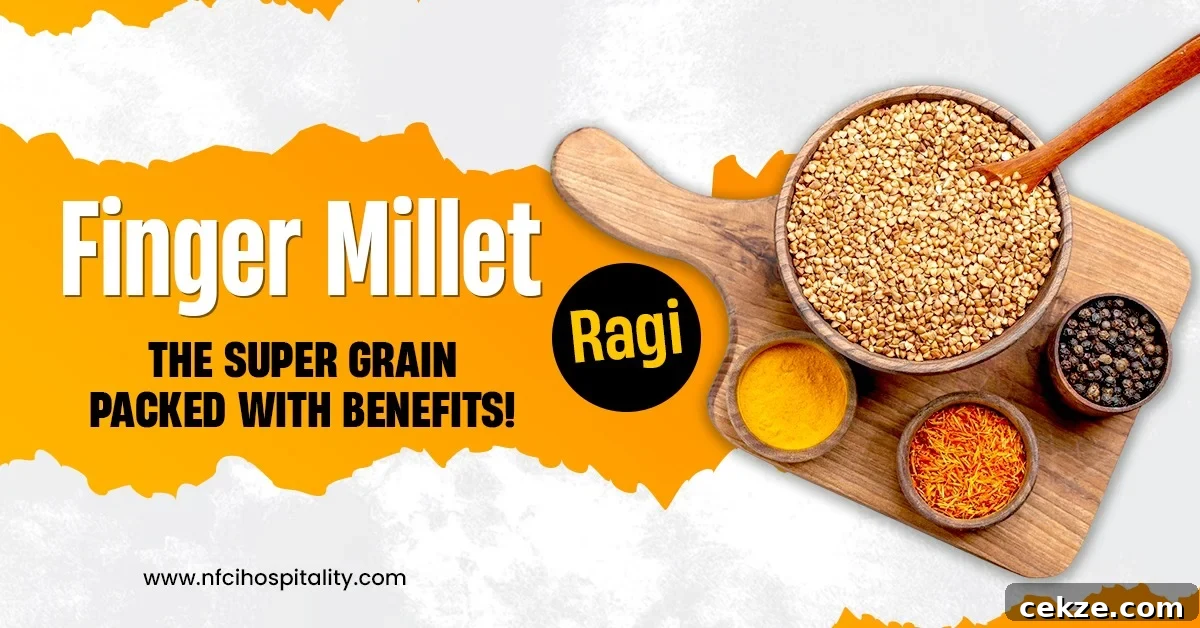
Focus on the nutritional benefits of finger millet (commonly known as ragi) and the long history of its use across many cultures. In much of Asia and Africa, ragi is prized as a nutrient-dense grain. It is naturally gluten-free, environmentally sustainable, and offers a variety of health advantages.
Often called a “super grain,” ragi is an excellent alternative or complement to wheat and other refined grains. Whole ragi flour or traditional ragi preparations such as ragi rotti can be used to increase the nutritional value of meals. Regular inclusion of ragi in the diet may support blood sugar control, heart health, and nutrient balance. Below we explore what finger millet is, its key benefits, and an easy ragi porridge recipe you can make at home.
What Is Finger Millet (Ragi)?
Finger millet (Eleusine coracana) thrives in drier climates and is well suited to regions with limited rainfall. Its name comes from the finger-like arrangement of seed clusters. This hardy cereal is a staple food in parts of India, Ethiopia and Uganda, where it is prepared as porridge, flatbreads, fermented dishes, and even traditional beverages.
Compared with refined grains, whole millets like ragi retain the bran and germ, providing higher levels of fibre, vitamins, and minerals. While related to other millets such as sorghum and pearl millet, finger millet is especially valued for its nutrient profile and versatility in cooking.
Key Health Benefits of Finger Millet (Ragi)
Finger millet is a nutrient-rich grain with several health-promoting properties:
- Rich in essential minerals: Ragi is a good source of calcium, iron and magnesium. Its calcium content is higher than many other cereal grains, making it beneficial for bone health across age groups.
- High fibre content: The fibre in ragi supports digestion, helps maintain gut health, and contributes to steady blood sugar levels—helpful for people managing diabetes.
- Gluten-free and heart-supportive: Naturally free of gluten, ragi is suitable for people with celiac disease or gluten sensitivity. Its nutrient composition, including magnesium, supports cardiovascular health.
- Antioxidant-rich: Polyphenols and other antioxidants in ragi help protect cells from oxidative stress and may lower risk factors associated with chronic disease.
- Helps with weight management: The combination of fibre and complex carbohydrates promotes satiety and can reduce overeating between meals.
- Environmentally sustainable: Ragi requires relatively little water and fewer agricultural inputs, making it an eco-friendly crop choice.
Why Choose Millets?
Millets, including finger millet, are often called “super grains” because they deliver solid nutrition while growing in challenging conditions. They are naturally gluten-free, generally easy to digest, and flexible enough to be used in both sweet and savory recipes. Adding millets to your meals diversifies your diet and brings both health and environmental benefits.
Finger Millet Recipe: Ragi Porridge
This simple ragi porridge is nutritious, comforting, and quick to prepare—ideal for breakfast or a wholesome snack.
Ingredients:
- 1/2 cup finger millet (ragi) flour
- 2 cups water or milk, or a blend of both
- 1–2 tablespoons jaggery or honey, to taste
- 1/4 teaspoon cardamom powder (optional)
- A pinch of salt
- Chopped nuts or dried fruit for garnish (optional)
Instructions:
- Make a slurry: Mix the ragi flour with 1/2 cup water to form a smooth paste, preventing lumps when cooking.
- Heat the liquid: Bring 1.5 cups of water or milk to a gentle boil in a saucepan.
- Cook the porridge: Gradually whisk the ragi slurry into the boiling liquid, stirring constantly. Reduce heat and simmer for 5–7 minutes until thickened.
- Sweeten and flavor: Add jaggery or honey and a pinch of salt. Stir in cardamom if using for a warming aroma.
- Serve: Spoon into bowls and top with chopped nuts or dried fruit. Serve warm.
Tips
- For a savory version, omit the sweetener and add spices like cumin or a spoonful of yogurt.
- Adjust consistency by adding more liquid for a thinner porridge or reducing liquid for a thicker texture.
How to Incorporate Ragi into Your Diet
Ragi is adaptable and can be used in many preparations:
- Baking: Substitute part of the wheat flour in pancakes, muffins or cookies with ragi flour for a nutty flavor and extra nutrition.
- Flatbreads: Make ragi roti or dosa for a wholesome meal. A small amount of ghee can enhance flavor and digestion for some traditional preparations.
- Beverages: Blend ragi into smoothies or prepare a chilled ragi malt as a nourishing drink.
- Soups and stews: Stir cooked finger millet into soups to add body, fibre and nutrients.
Final Thoughts
Finger millet is a versatile, nutrient-dense grain that belongs in a balanced kitchen pantry. From supporting bone health to improving digestion and offering sustainable cultivation benefits, ragi is a smart choice for modern diets. Try the ragi porridge recipe and experiment with ragi flour in baking, flatbreads and beverages to enjoy this ancient grain in new ways.
Ready to include finger millet in your meals? Share your favorite ragi recipes and experiment with different preparations to find what suits your taste and lifestyle.