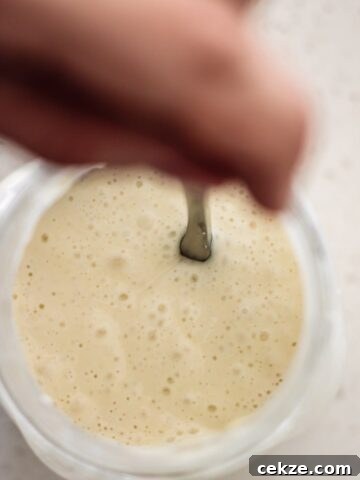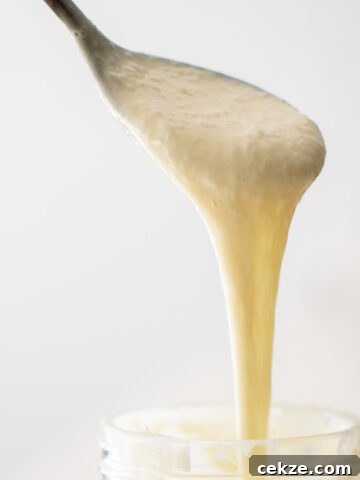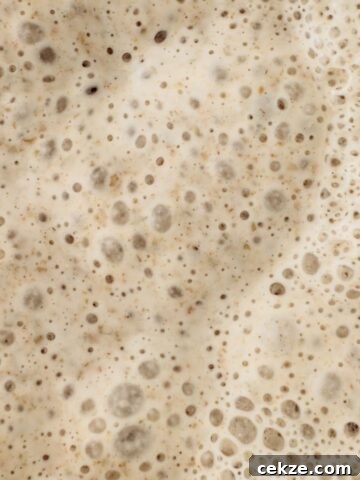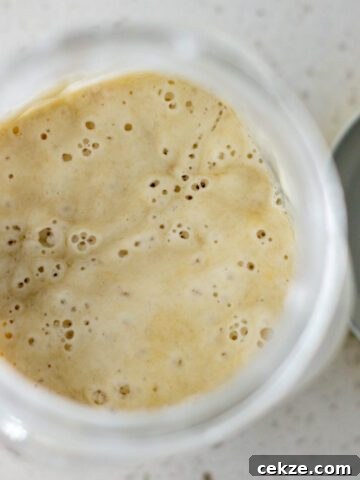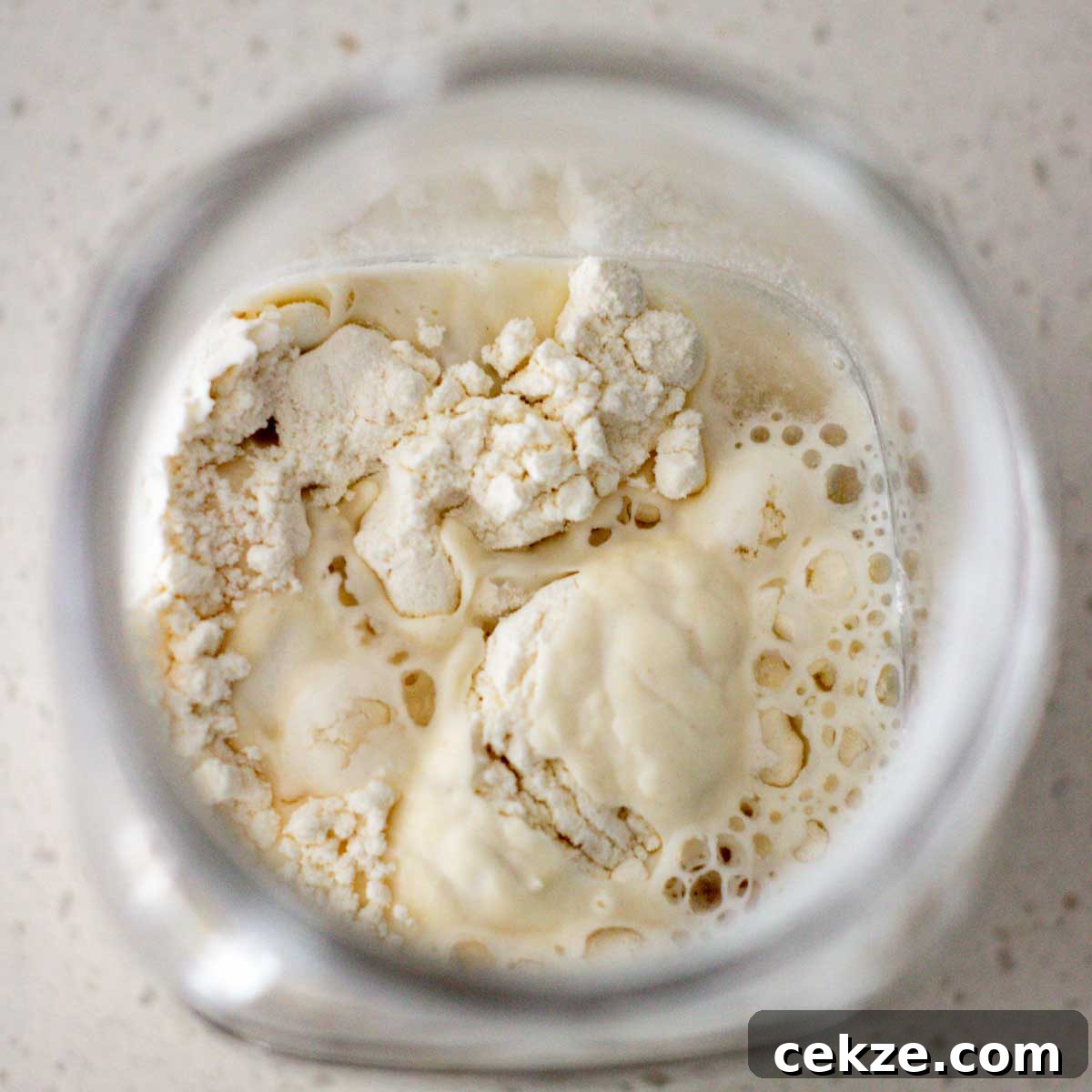
If you don’t get your sourdough starter from a friend, bakery, or online, you’ll need to make one from scratch. It’s straightforward: flour, water, something to stir with, and a clean jar are all you need.
But which flour should you use? Is a plastic or glass jar better? Below are practical recommendations and best practices to help you start and maintain a healthy sourdough starter.
What’s the best flour for a sourdough starter?
You can create an active starter with any unbleached flour, but some flours develop activity faster than others.
- Rye Flour – The fastest option. Rye is nutrient-dense and encourages rapid fermentation, making it ideal for jumpstarting a starter.
- Whole Wheat Flour – Almost as effective as rye. Whole wheat offers abundant nutrients and tends to produce reliable activity early on.
- Bread Flour – A good choice for a starter, especially when blended with rye or whole wheat during the first week to give the culture more food.
- All-Purpose Flour – It works, but usually more slowly than rye or whole wheat. Always choose unbleached all-purpose flour; bleached varieties lack nutrients important for quick development.
Using only all-purpose flour can work, but it often takes longer to establish. In one trial it took three attempts and 25 days to get a reliable starter. For best results—particularly if it’s your first time—use a mix of white flour (all-purpose or bread flour) with whole wheat or rye to speed up and stabilize the process.
Avoid these flours:
- Self-Rising Flour – Contains baking powder and salt, which interfere with natural fermentation and should not be added to a starter.
- Bleached Flour – The bleaching process reduces natural yeasts and nutrients. Starters started with bleached flour are slower and have a higher risk of spoiling before beneficial microbes establish, especially in hot climates.
Best water to use when making a starter
Tap water is usually fine, but water with high levels of chlorine can slow or inhibit early fermentation. If your tap water smells strongly of chlorine, it may be too chlorinated for starting a culture.
If your tap water has noticeable chlorine, leave it uncovered for 30 minutes to several hours—or overnight—to let the chlorine dissipate before using it for the first two weeks. Avoid boiling the water. Reverse osmosis or distilled water are not recommended for starting a sourdough culture, since they lack minerals that help the microbes.
Mixing tools
Keep it simple. Any clean spoon, spatula, or fork will do. In the early days, cleanliness matters more than the specific tool. A fork can help break up stubborn flour lumps more effectively than a spoon.
What jar to use for a starter?
Glass jars are recommended because they let you observe your starter’s progress easily. Use a jar with a removable lid; an airtight jar with a removable rubber seal is fine too. Cover the jar with its lid—do not use paper towels or coffee filters as the primary cover.
Sanitize the jar before starting by pouring in boiling water, letting it sit for about 10 minutes, then draining and allowing it to cool before adding your starter.
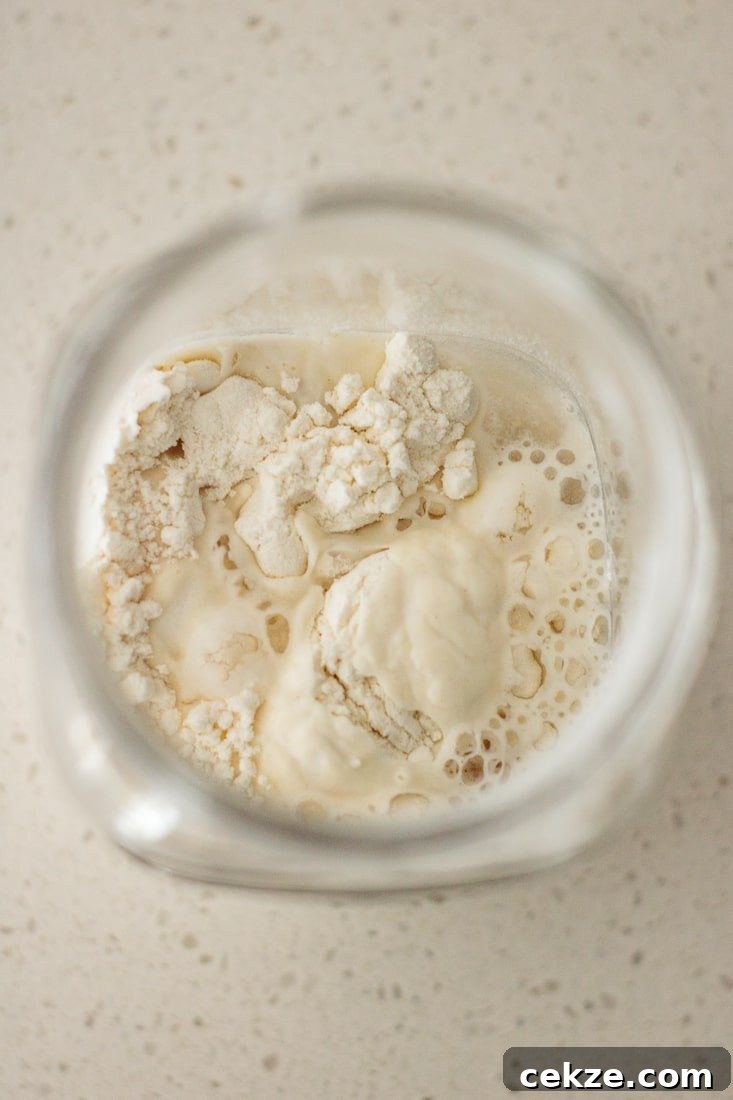
Optional but handy: scale and rubber band
A kitchen scale is very useful. If you plan to bake regularly or aim for consistency, a scale gives precise measurements and predictable results. If you don’t have a scale, cups can work, but measuring flour by volume is error-prone—learning proper cup-measuring technique helps.
A rubber band around the jar at the level of the starter after feeding is a simple, effective way to track how much it rises. This visual marker helps you judge activity and readiness for the next feeding.
Questions you might have
A cheater starter is made quickly using commercial yeast, typically ready in a few days. It mimics a poolish or preferment but is not a true wild sourdough culture driven solely by naturally occurring wild yeasts and bacteria.
Choose a jar sized for how much starter you plan to maintain. A jar that holds 500 ml to 1 liter is usually sufficient; a 100–200 g starter will typically double after feeding, so ensure there’s room for expansion.
Yes, but it’s slower and more prone to issues than using whole grain or rye. If you use all-purpose, consider blending it with whole wheat to improve nutrient availability and reduce the risk of spoilage during establishment.
Ready to start your sourdough culture? With the right flour, water, and a clean jar, you’ll be on your way to a lively starter you can bake with for years.
-
Why is my sourdough starter not rising?
-
How to feed a sourdough starter for beginners
-
What’s the best temperature for my sourdough starter?
-
Why is my sourdough starter pink? Three things that can kill your starter