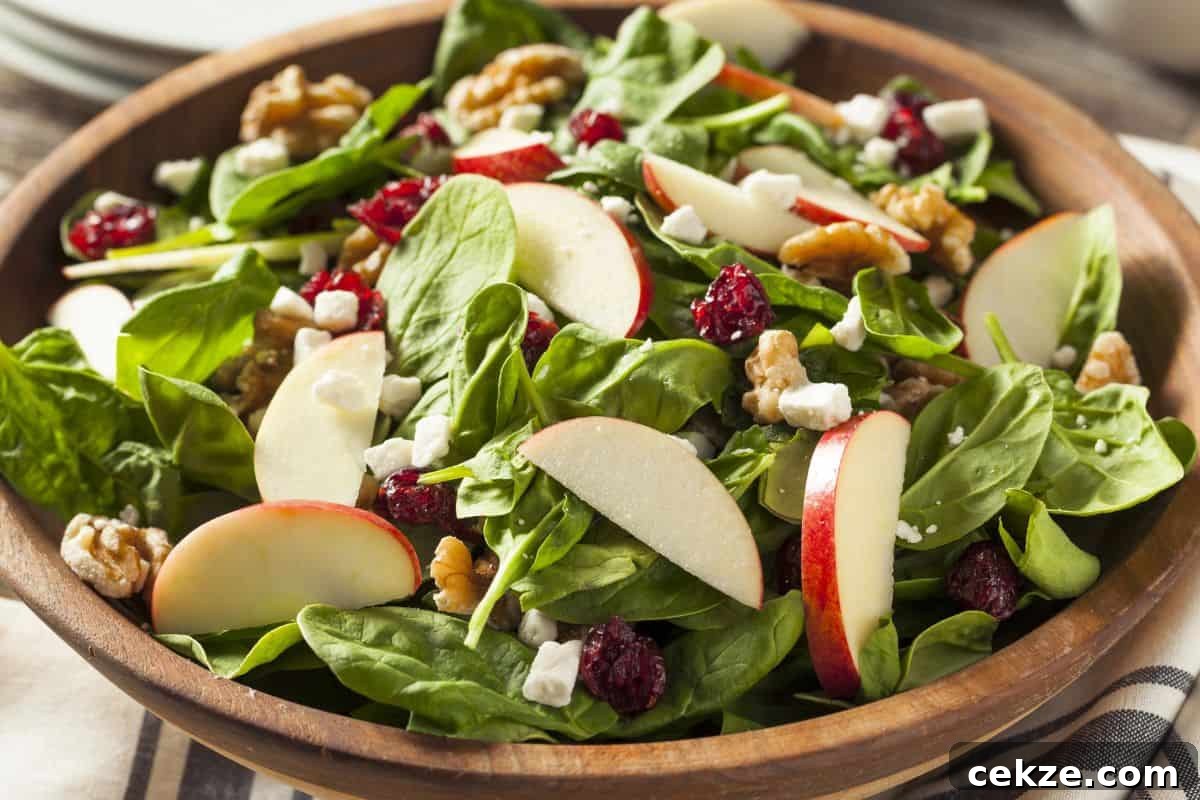
Salads can be a healthy, refreshing meal, but relying on the same handful of ingredients can quickly make them predictable. With a few simple additions, you can turn an ordinary salad into something flavorful, varied, and satisfying. Below are creative ingredients that add texture, color, and taste—each bringing its own nutritional benefits and helping keep salads interesting.
Mixing in a few new elements—from pickled vegetables to fresh fruit and crunchy nuts—transforms your salad into a more complex and enjoyable dish. These suggestions are versatile and easy to incorporate, suitable for light side salads as well as hearty main-course bowls.
Pickled Salad Peppers
Pickled salad peppers add a lively tang and a touch of heat to greens, grains, or fruit-based salads. Their vinegar-forward flavor brightens creamy dressings and vinaigrettes alike, while their crunchy bite introduces a pleasing contrast in texture. Choose the level of spiciness to suit your taste and use pickled peppers to inject color and boldness into any bowl.
Capers
Capers are small but powerful: their briny, slightly lemony flavor adds sophistication to salads with Mediterranean influences, such as those featuring olives, tomatoes, or feta. They lend a salty, savory note without the heaviness of extra cheese or croutons and pair well with fresh, crunchy vegetables. A few capers can elevate a simple salad into a more complex plate.
Canned Chickpeas
Canned chickpeas are an easy source of protein and fiber, offering a mild, nutty flavor that complements many salad combinations. Use them straight from the can for convenience or roast them with spices for extra crunch and depth. Chickpeas pair well with leafy greens, roasted vegetables, or grains like quinoa, helping salads become more filling and meal-worthy.
Dried Cranberries
Dried cranberries bring a sweet-tart chewiness that balances savory and bitter flavors. They work beautifully with creamy cheeses, toasted nuts, and hearty greens such as kale or spinach. Besides adding flavor and color, dried cranberries contribute vitamins and antioxidants, making them a tasty and nutritious complement.
Sliced Apple
Thinly sliced apples introduce crispness and a subtle sweetness to salads. Their texture pairs well with soft ingredients like avocado or roasted vegetables and with savory elements such as nuts and sharp cheeses. Green apples add a tart edge while red varieties bring more sweetness—use them to add seasonal interest and fiber to your salads.
Fresh Strawberries
Strawberries offer juicy sweetness and vibrant color that make a salad feel fresh and inviting. They pair especially well with balsamic vinaigrette, goat cheese, nuts, and fresh herbs like basil. Beyond their flavor, strawberries provide vitamin C and antioxidants, making them an excellent choice for bright summer salads or anytime you want a fruity note.
Bok Choy
Bok choy adds a crisp, slightly peppery bite that works well raw in salads. Common in Asian cuisine, this leafy vegetable holds up to heartier dressings and offers a mix of crunchy stalks and tender leaves. Rich in vitamins A and C, bok choy pairs nicely with carrots, sesame seeds, and soy-based dressings for a refreshing twist.
Fresh Mint Leaves
Fresh mint brings a cool, aromatic lift that brightens fruit salads and savory bowls alike. It pairs well with watermelon, citrus, cucumber, and cheeses such as feta, and adds a refreshing contrast to grains like couscous or quinoa. A few torn leaves can transform a salad with a clean, vibrant flavor and aid digestion.
Avocado Chunks
Chunks of avocado add creamy richness and healthy fats, improving both flavor and satiety. Avocado’s smooth texture balances crunchy ingredients like bell peppers and nuts, while its mild flavor blends well with greens, fruits, and grains. It also supplies fiber, potassium, and vitamins, making salads heartier and more nourishing.
Pomegranate Seeds
Pomegranate seeds deliver sweet-tart bursts and a jewel-like color that enhance both the look and taste of salads. They pair well with peppery greens such as arugula, creamy cheeses like feta, and toasted nuts, offering a pleasing contrast of texture and flavor. High in antioxidants, pomegranate seeds are a flavorful, healthful addition.
Edamame
Edamame provides plant-based protein, a subtle nutty taste, and a firm bite that adds substance to salads. It’s especially suitable for Asian-inspired bowls with ginger, sesame, and soy-based dressings, but works well in many preparations. Serve edamame warm or chilled to vary texture and temperature.
Roasted Sweet Potatoes
Roasted sweet potatoes add caramelized sweetness and a soft, satisfying texture to salads. Their rich flavor complements hearty greens, grains, and tangy cheeses like goat cheese. High in fiber, vitamins, and minerals, roasted sweet potatoes make salads more comforting and nutritious, particularly in cooler months.
Toasted Almonds
Toasted almonds introduce a nutty crunch and aromatic depth that enhances fruit- or vegetable-forward salads. Toasting brings out their natural oils and flavor, and they can be seasoned for extra complexity. Almonds add healthy fats, protein, and fiber, helping salads feel more balanced and satisfying.
Shaved Parmesan
Shaved Parmesan contributes a salty, umami-rich accent that complements a wide range of salad ingredients. Its strong flavor means a little goes a long way, enhancing everything from classic Caesar-style salads to Mediterranean mixes. The cheese’s creamy, crumbly texture pairs well with both crunchy and tender components.
Cucumber Ribbons
Cucumber ribbons offer a light, refreshing texture and a delicate flavor that keeps salads feeling fresh. Thinly sliced into ribbons instead of chunks, cucumbers add elegance and a cooling crunch that pairs well with bold ingredients like olives, feta, and vinaigrettes. They’re hydrating and perfect for bright, summery salads.
By incorporating just a few of these ingredients into your routine, you can create salads that are varied, flavorful, and balanced. Experiment with combinations—mix sweet fruits with salty or briny elements, add crunchy nuts to creamy components, or toss in a protein like chickpeas or edamame for a heartier bowl. Small changes yield big improvements, making every salad feel new and exciting.
15 Smart Strategies to Beat Inflation
Inflation can strain household budgets and change how we shop and plan meals. Thoughtful choices—like buying seasonal produce, using pantry staples, and stretching ingredients across multiple meals—can help you maintain variety in cooking without overspending.