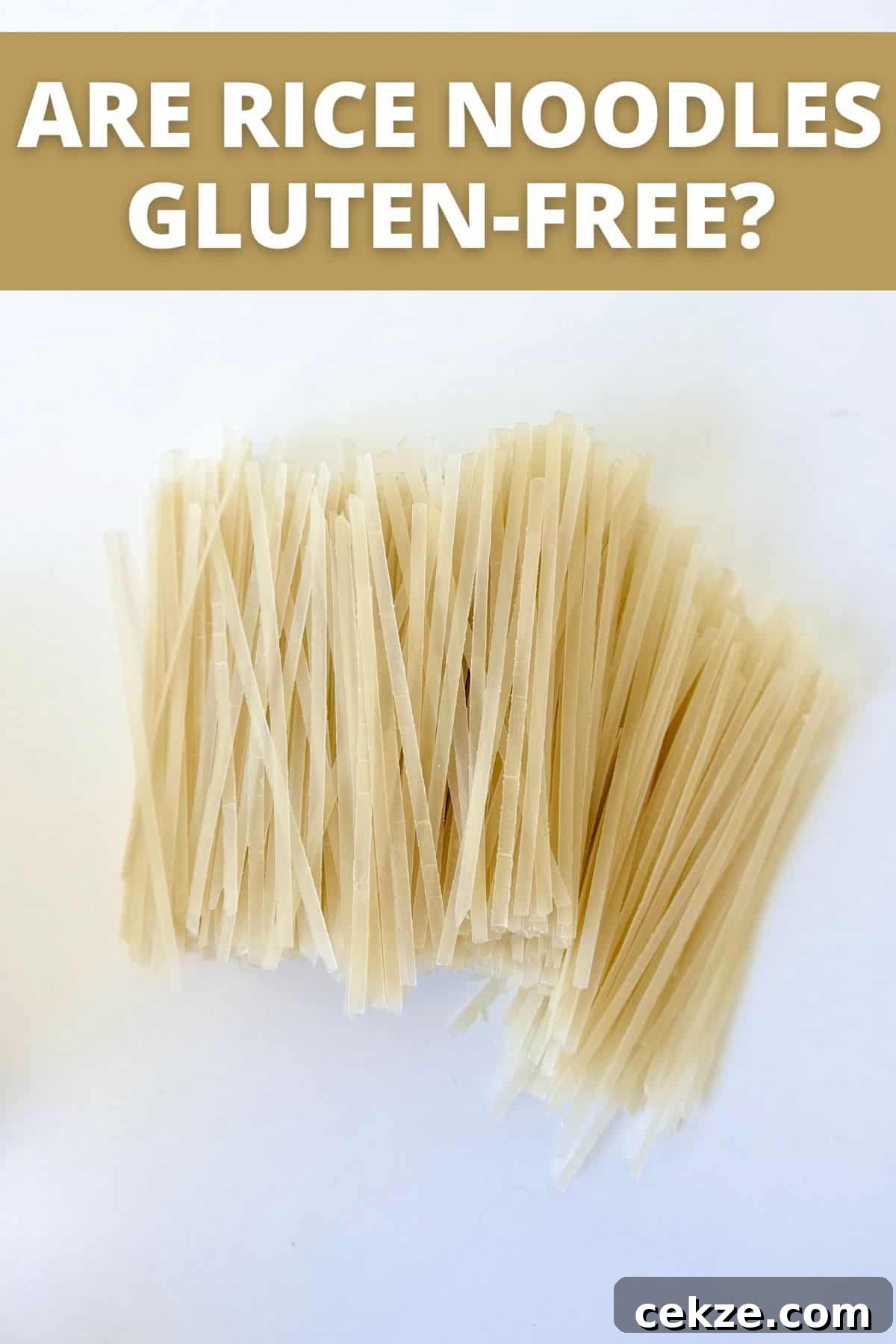
Wondering if rice noodles are gluten-free? You’re in the right place—read on to learn what you need to know.
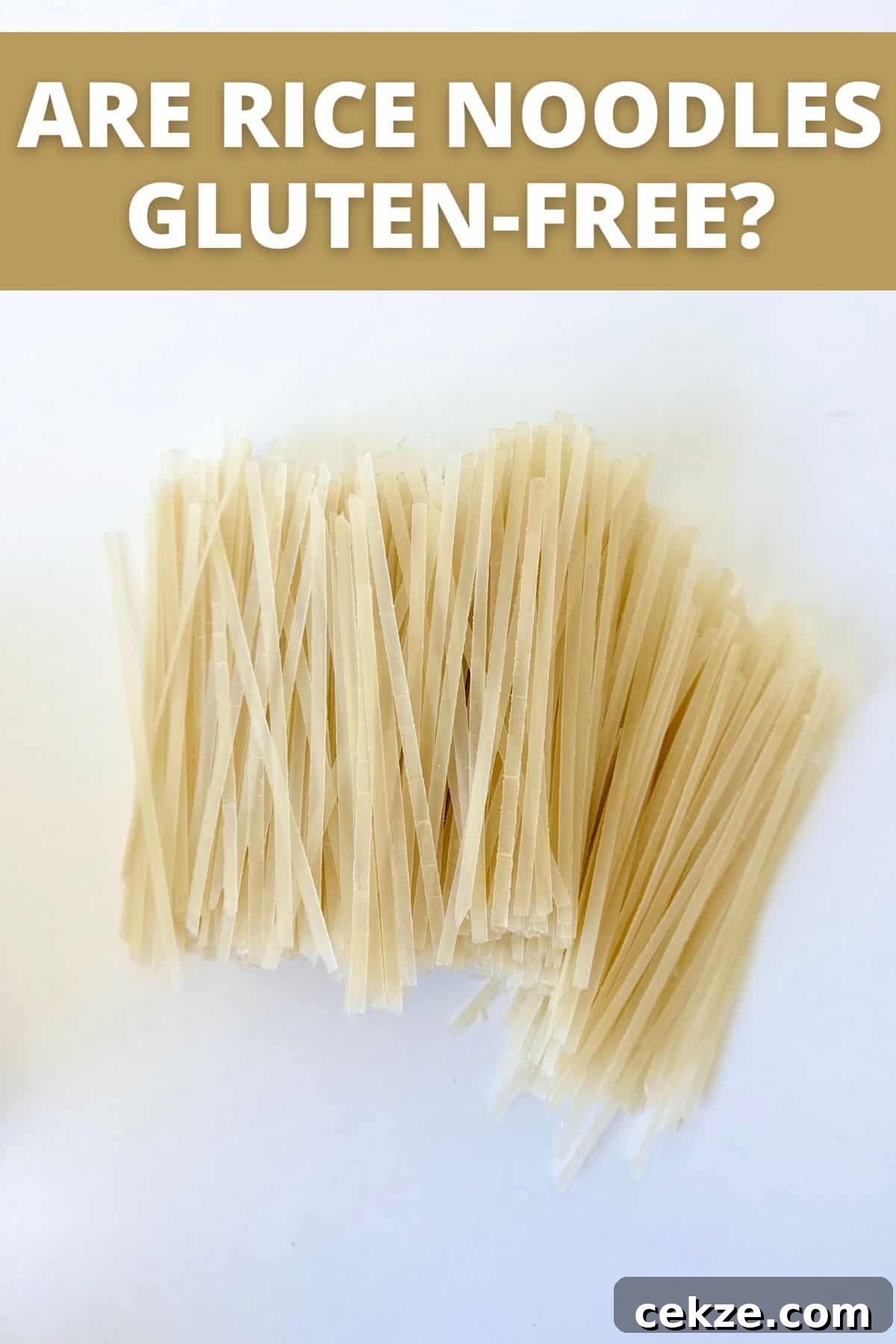
Rice noodles are prized for their pleasant chew and their ability to soak up sauces and broths, evoking the flavors of Vietnamese and Thai cuisine. They seem like a natural gluten-free alternative to wheat pasta, but it’s important to know when they truly are safe for a gluten-free diet.
SHORT ANSWER: YES!
Rice noodles are generally gluten-free. Many brands are certified gluten-free, making them a suitable option for people with celiac disease or gluten sensitivity.
When shopping, look for packaging that specifically states “gluten-free” to ensure the product meets gluten-free standards and to reduce the risk of cross-contact.
Are Rice Noodles Gluten-Free?
Yes—rice noodles are usually gluten-free. They are made from rice flour rather than wheat, and many manufacturers offer certified gluten-free varieties that comply with the standard of containing less than 20 parts per million (ppm) of gluten. Certified products are tested to reduce cross-contamination risks and are generally safe for those avoiding gluten.
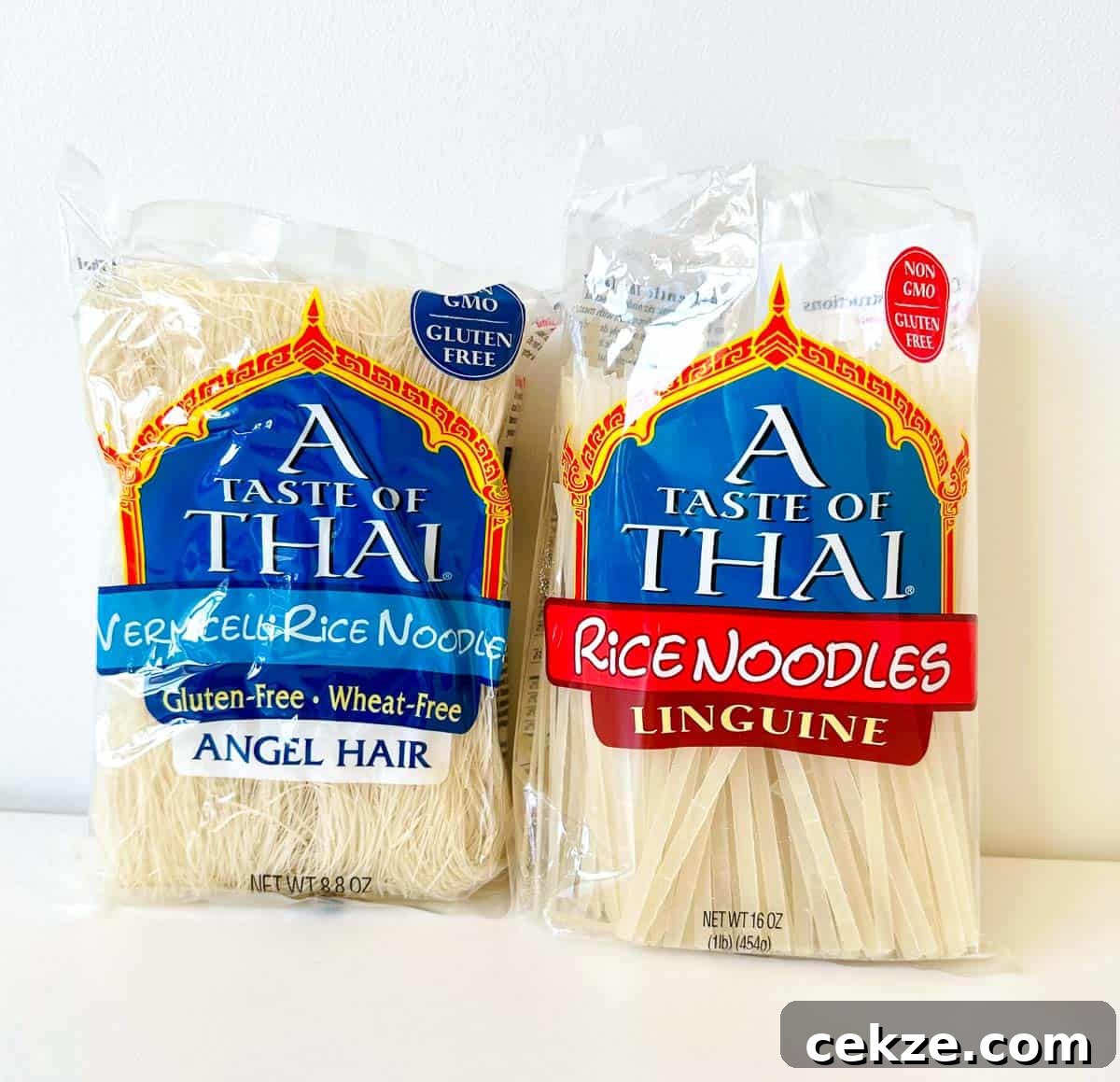
Common brands that sell certified gluten-free rice noodles include:
- A Taste of Thai
- Thai Kitchen
- Ocean’s Halo
- Annie Chun’s
- Lotus Foods
When dining out, mention your gluten-free needs so the kitchen can confirm whether the noodles and any sauces or toppings are free from gluten and whether cross-contact could occur in preparation.
What Are Rice Noodles?
Rice noodles are made primarily from rice flour and water, with some varieties containing a small amount of starch—such as tapioca or corn starch—to improve texture and elasticity. A typical ingredient list might be:
- Rice flour
- Water
- Modified tapioca starch (or corn starch)
All types of rice are naturally gluten-free, so plain rice noodles remain gluten-free unless they come into contact with gluten-containing ingredients during processing or cooking. They have a mild flavor and limited inherent nutrition, but their chewy texture and neutral taste make them versatile for soups, stir-fries, salads, and noodle bowls. Rice noodles can be thin like vermicelli or wide and flat depending on the dish.
Rice noodles are widely used across South and Southeast Asia in countries such as Burma, Cambodia, China, the Philippines, Indonesia, Laos, Malaysia, Sri Lanka, Singapore, Thailand, and Vietnam—regions where rice is a dietary staple.
Cooking is straightforward: boil the dry noodles for a few minutes in plenty of water, or use fresh rice noodles when available from markets for softer results.
Do Pad Thai Rice Noodles Have Gluten?
Pad Thai is traditionally made with rice noodles, so the noodles themselves are typically gluten-free. However, the finished dish may include gluten depending on other ingredients—most notably soy sauce, which commonly contains wheat. If a restaurant uses traditional soy sauce or any wheat-containing thickeners, the dish will not be gluten-free.
If you have celiac disease or a gluten sensitivity, ask the restaurant about ingredients and cross-contact. Preparing Pad Thai at home allows full control over ingredients—use gluten-free soy sauce (tamari labeled gluten-free) and verify all components are safe.
Are Pho Rice Noodles Gluten-Free?
Pho typically uses rice noodles, so the dish is usually gluten-free. Still, when eating out, check whether any broths, sauces, or garnishes contain gluten or whether cross-contact could occur in the kitchen.
Are Ramen Noodles Gluten-Free?
Most ramen noodles are made from wheat flour and therefore contain gluten. Some restaurants may offer gluten-free noodle substitutions, and a few brands produce gluten-free ramen kits using rice-based noodles. Instant ramen brands like Top Ramen and Maruchan generally use wheat and are not gluten-free, so read labels carefully or choose specialty gluten-free options if you need to avoid gluten.
The Bottom Line
Rice noodles are a reliable choice for a gluten-free diet when they are made from rice flour and labeled or certified gluten-free. They provide a versatile base for many Asian dishes and are easy to prepare.
When buying rice noodles, choose products labeled gluten-free to ensure they meet safety standards for people with celiac disease or gluten sensitivity. When dining out, always ask about ingredients, sauces, and the potential for cross-contamination. Avoid traditional soy sauce and any wheat-based thickeners unless you confirm a gluten-free alternative is used.
Pair certified gluten-free rice noodles with vegetables, proteins, and gluten-free sauces to create satisfying, celiac-safe meals.