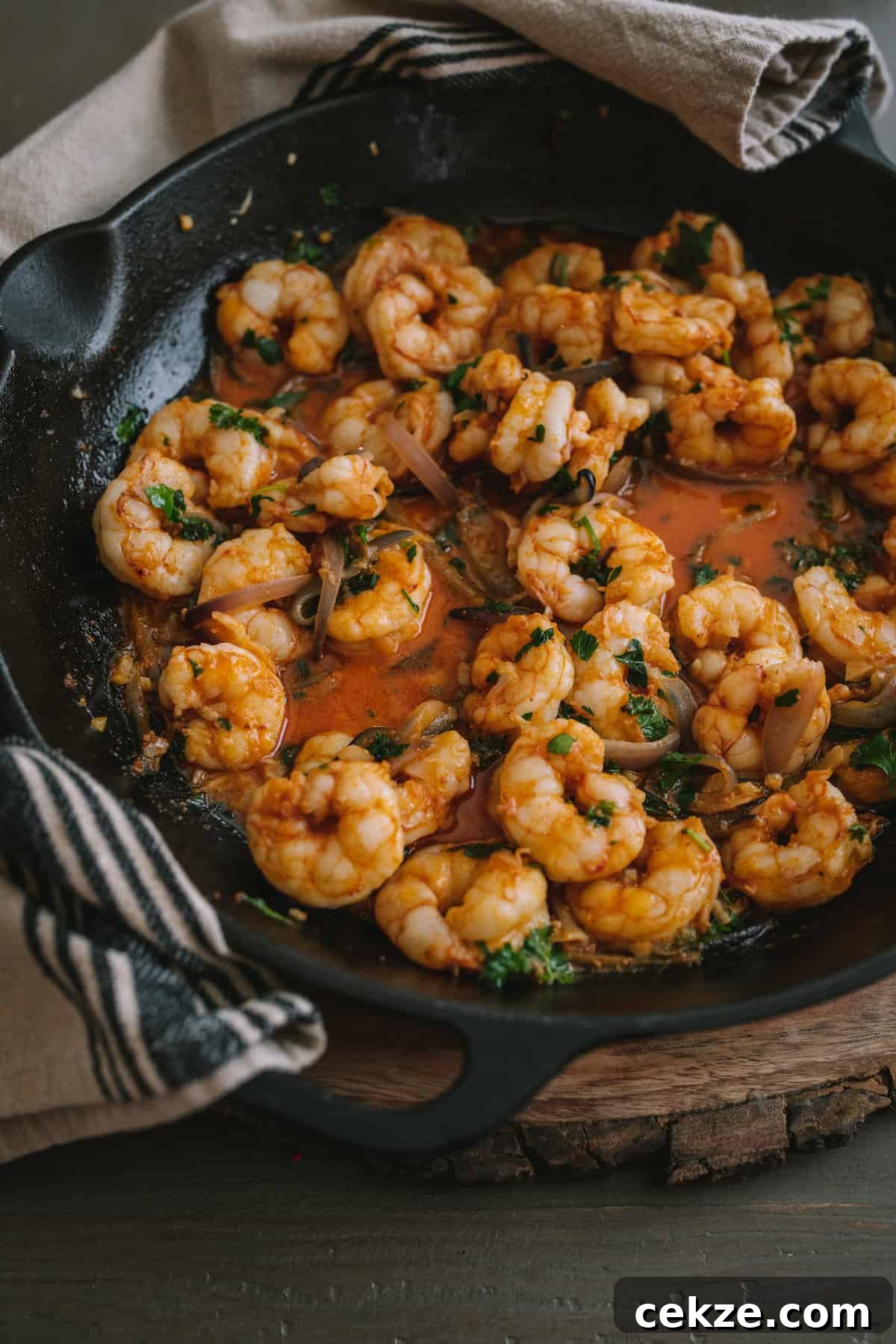
This Camarones al Mojo de Ajo is rich, buttery, and bursting with garlic flavor balanced by smoked paprika, fresh lime, and bright parsley. Think of it as a close cousin to Mexican-style shrimp scampi—simple, fast, and full of bold, restaurant-quality flavor. Ready in about 20 minutes, it’s an ideal weeknight meal when you want something impressive but easy.
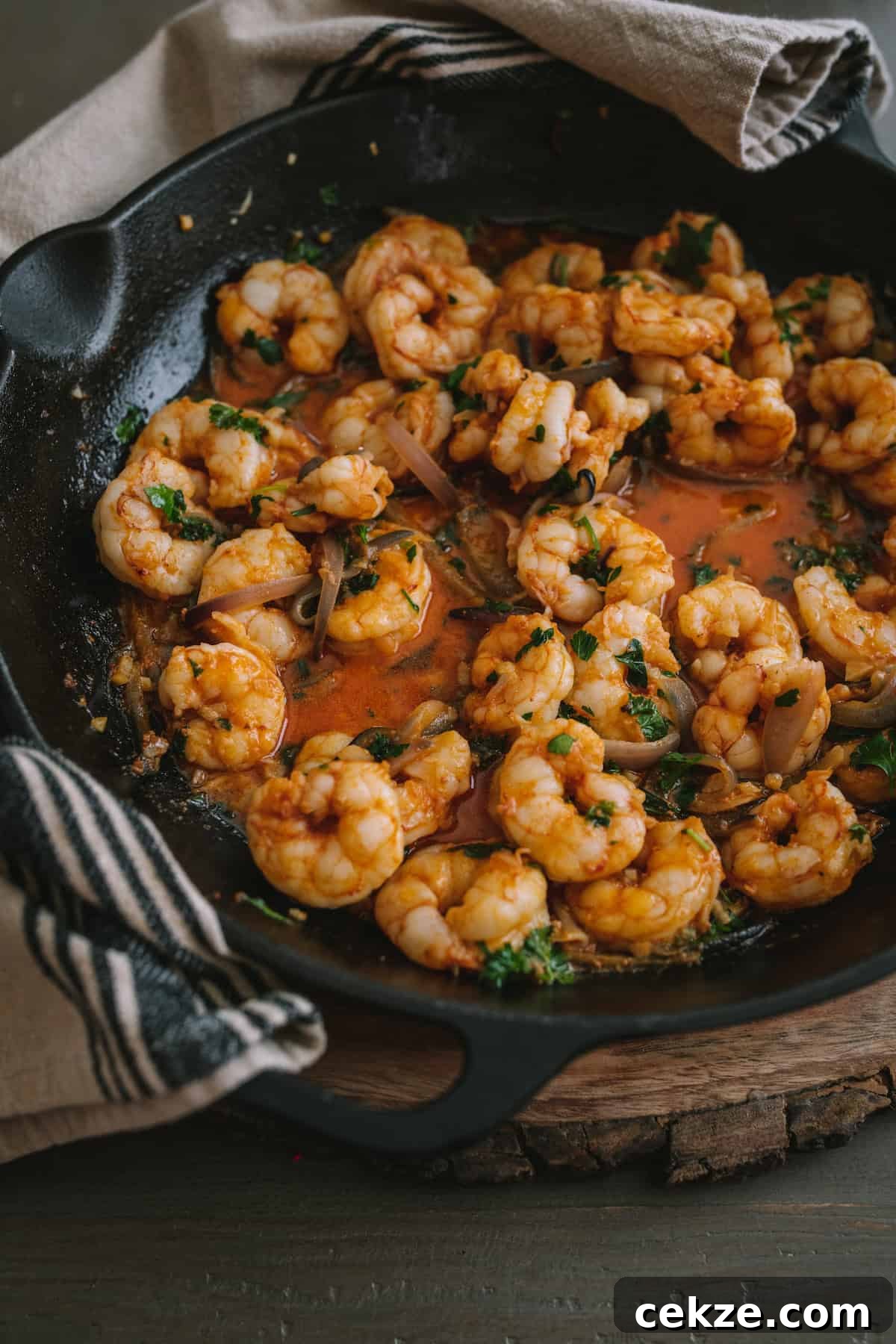
What are Camarones al Mojo de Ajo?
Camarones al Mojo de Ajo literally means “shrimp in garlic sauce.” This classic Mexican dish features shrimp gently simmered in butter and olive oil with plenty of garlic and thinly sliced onion. The sauce—mojo de ajo—is a silky garlic-butter emulsion that clings to each piece of shrimp, creating a savory, aromatic coating that pairs perfectly with rice, pasta, or tortillas.
Although flavorful, this recipe isn’t spicy, making it a great option for families. A squeeze of lime and a handful of fresh parsley add acidity and brightness to cut through the richness.

Why You’ll Love This Recipe
Quick to make—ready in under 20 minutes
Uses simple pantry ingredients
A lovely balance of smoky, garlicky, and buttery flavors
Versatile: serve with rice, pasta, or tortillas
Comforting and elegant enough to serve to guests
Ingredients & Substitutions
Below are the key ingredients for this mojo de ajo shrimp. Full quantities and the printable recipe card appear in the recipe section.
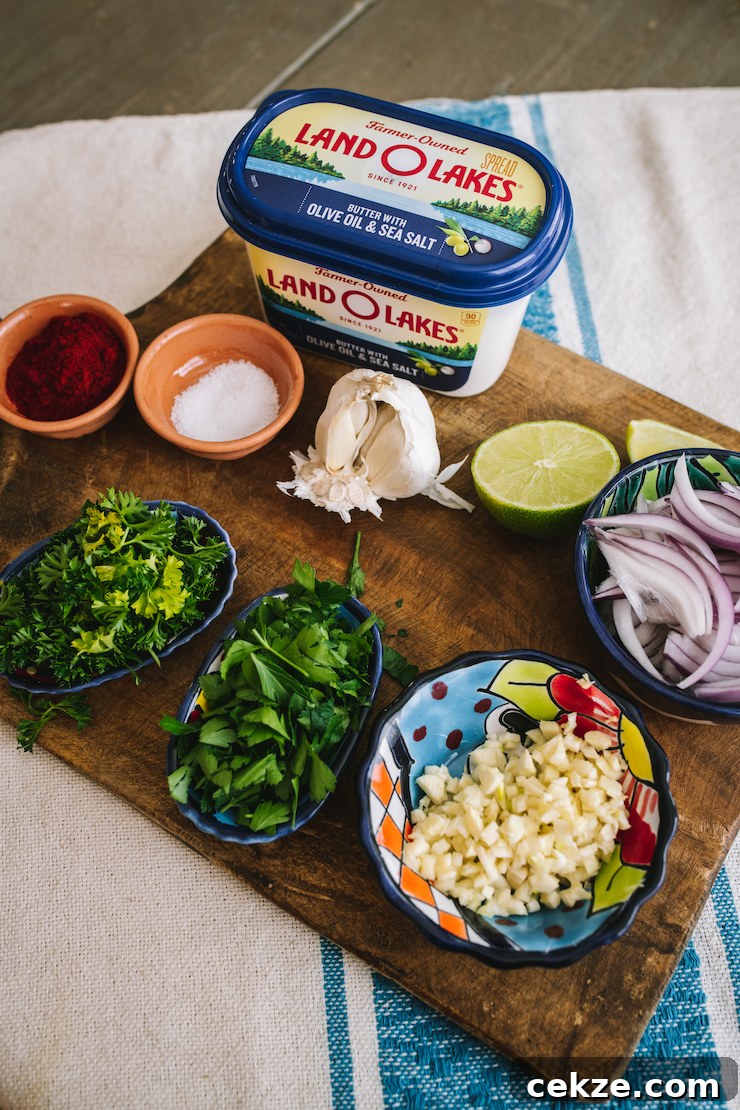
- Shrimp: Large shrimp, peeled and deveined. Frozen pre-cleaned shrimp are an easy time-saver.
- Butter & Olive Oil: Use both for depth of flavor; a compound butter with olive oil works well too.
- Red Onion: Adds color and a mild bite—white or yellow onion can be substituted.
- Garlic Cloves: Fresh garlic is essential for authentic mojo de ajo.
- Smoked Paprika: Gives a gentle smoky note that complements the garlic.
- Salt: Adjust to taste, especially if using salted butter.
- Lime Juice: Freshly squeezed to brighten the dish.
- Parsley: Flat-leaf parsley adds freshness; cilantro can be used for a more traditional, earthy twist.
Optional Variations
Try one of these small changes to tailor the recipe:
- A pinch of red pepper flakes for heat.
- Substitute parsley with cilantro for bolder flavor.
- Add a splash of white wine while deglazing for extra richness.
- Include sliced jalapeños if you prefer more spice.
How to Make Camarones al Mojo de Ajo
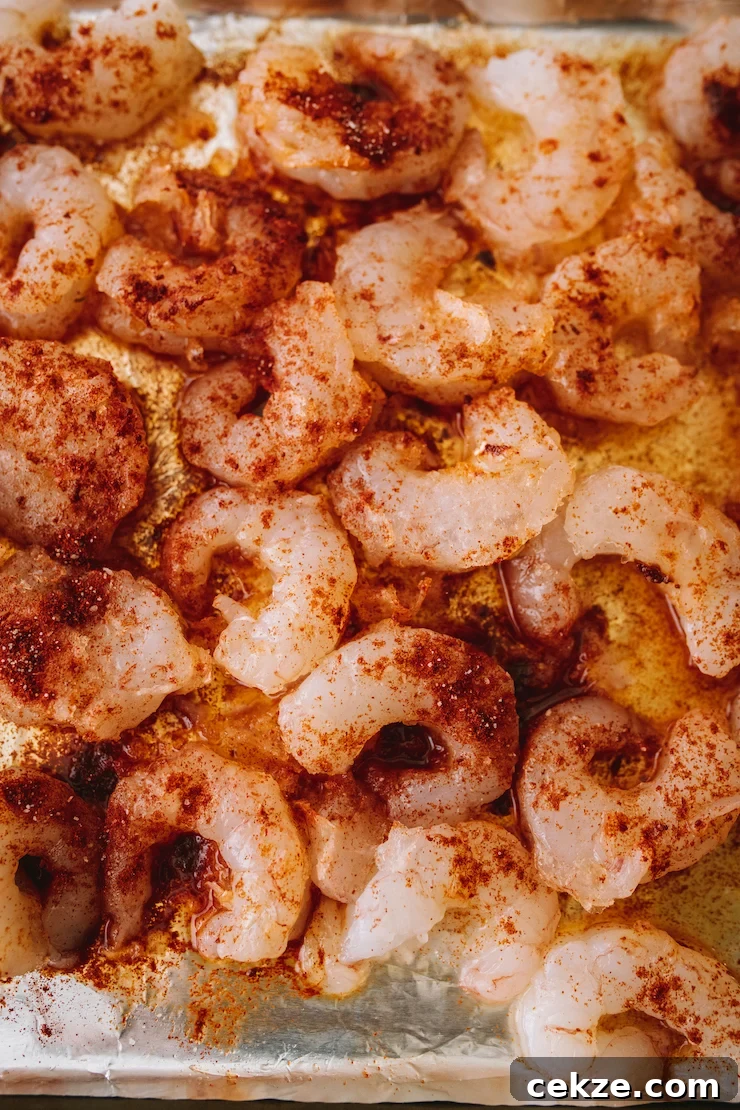
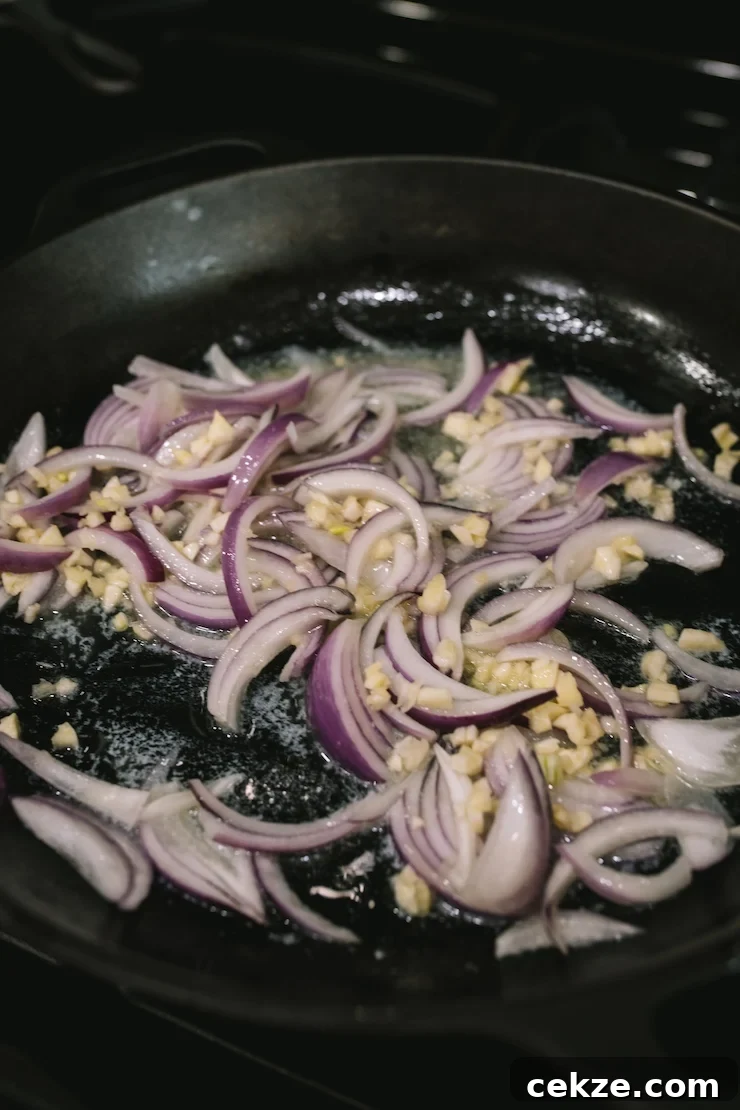
Step 1: Season the Shrimp: Combine smoked paprika and salt in a small bowl, then toss the shrimp to coat evenly.
Step 2: Sauté Onion & Garlic: Heat butter and olive oil in a large skillet over medium heat. Add sliced onion and minced garlic and cook until softened and fragrant, about 4–6 minutes.
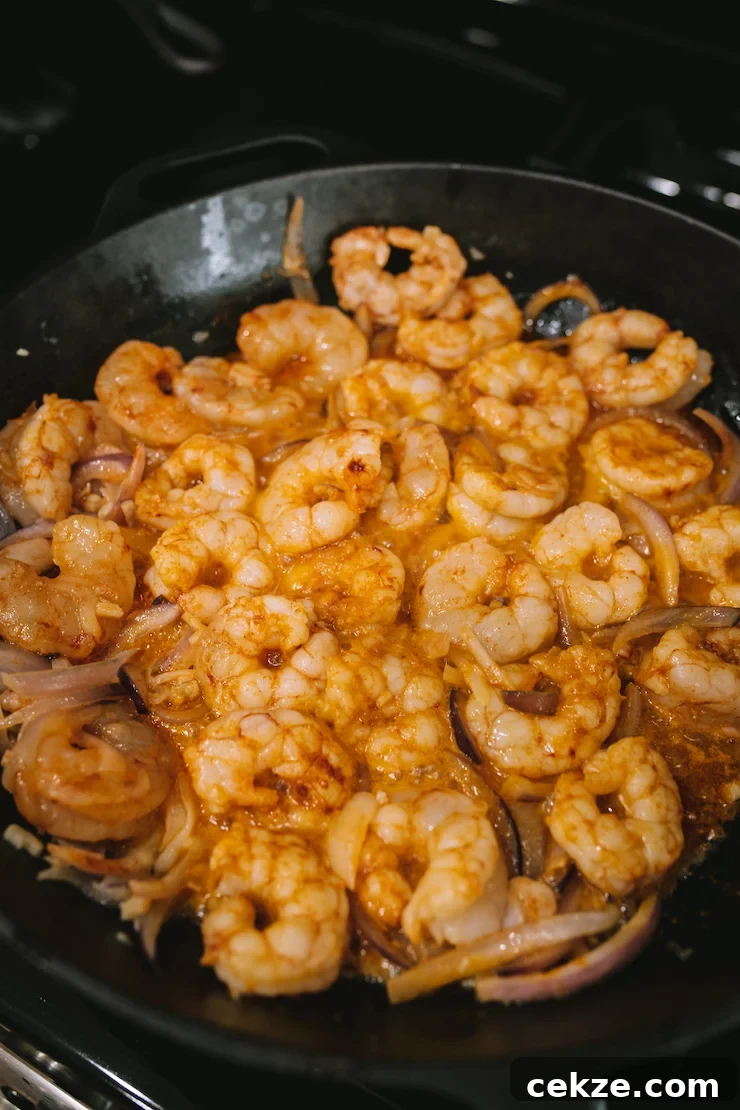
Step 3: Cook the Shrimp: Add the seasoned shrimp and cook 6–8 minutes, turning once, until they turn pink and are opaque through the center.
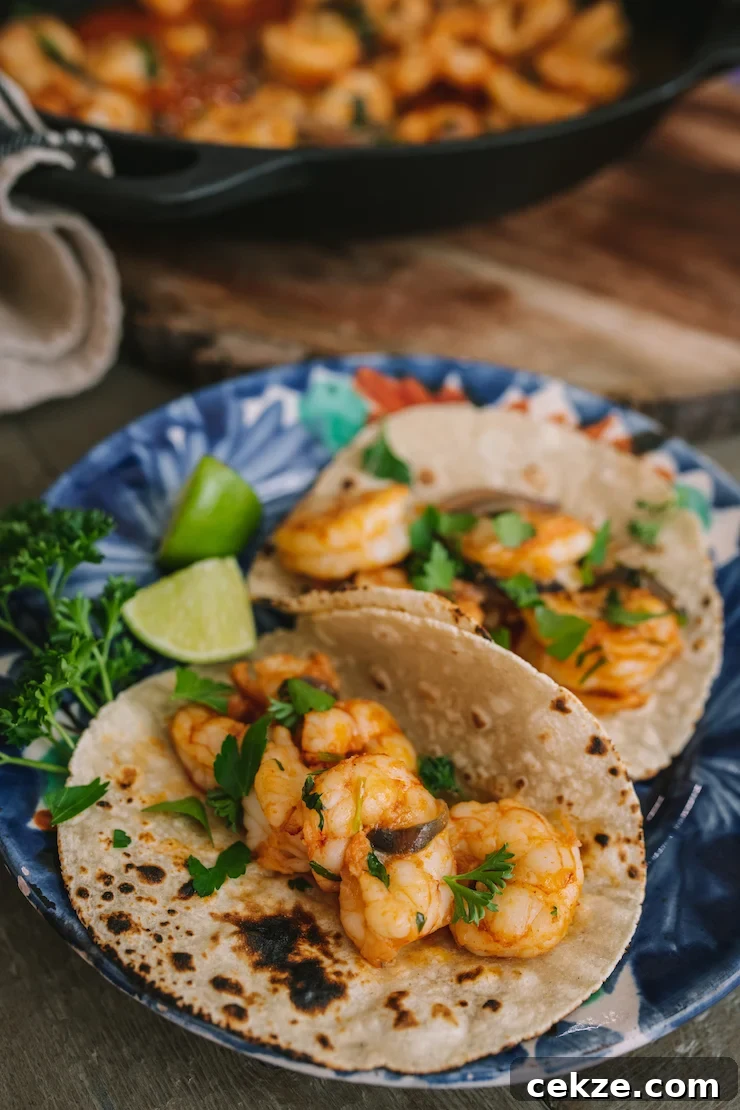
Step 4: Finish & Serve: Remove from heat and stir in fresh lime juice and chopped parsley. Serve immediately over rice, pasta, or tucked into warm tortillas. Sprinkle red pepper flakes if you like extra heat.
Watch the video in the recipe section to see how quickly it all comes together.
Serving & Topping Suggestions
Serve mojo de ajo shrimp in many ways:
- Over cilantro-lime or garlic butter rice
- Tossed with spaghetti or angel hair pasta
- Alongside sopa de fideo for a comforting meal
- Stuffed into warm corn tortillas for quick shrimp tacos
- With refried beans and Mexican rice for a hearty plate
- Pair with a crisp white wine or a tangy beer cocktail for a refreshing finish
Camarones al Mojo de Ajo Expert Tips & Tricks
Buy pre-cleaned frozen shrimp to save time and reduce prep.
Quick thaw: Place shrimp in a colander and rinse with cold water for about 15 minutes to defrost faster.
Avoid overcooking: Shrimp are done when pink and opaque. Tight O-shaped curls indicate overcooking.
Storage & Heating Instructions
Store leftovers in an airtight container in the refrigerator for up to 3 days. Reheating in the microwave can make shrimp rubbery—gently warm them in a skillet over low heat until just heated through. Freezing is not recommended, as texture can suffer.
Frequently Asked Questions
Season with smoked paprika, garlic, and salt for a smoky, savory profile; finish with lime juice for brightness. Optional spices include cumin or chili powder.
Mojo de ajo is a garlic sauce made by slowly cooking garlic in oil or butter until fragrant and slightly golden. It’s commonly used in Latin American and Spanish cuisines to flavor seafood, meats, and vegetables.
Yes. Parsley provides a mild, bright finish, while cilantro gives a more herbal, earthy note—choose based on your preference.
More Recipes
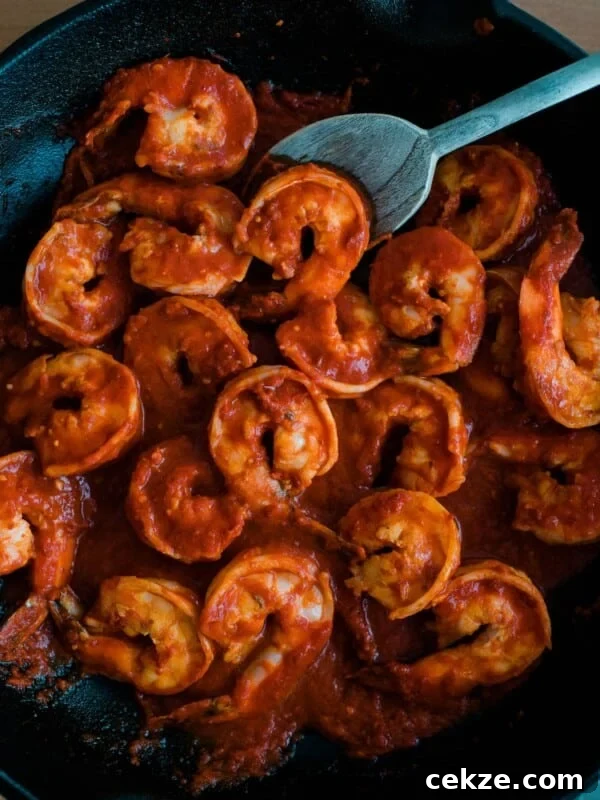
Camarones a la Diabla (Mexican Deviled Shrimp)
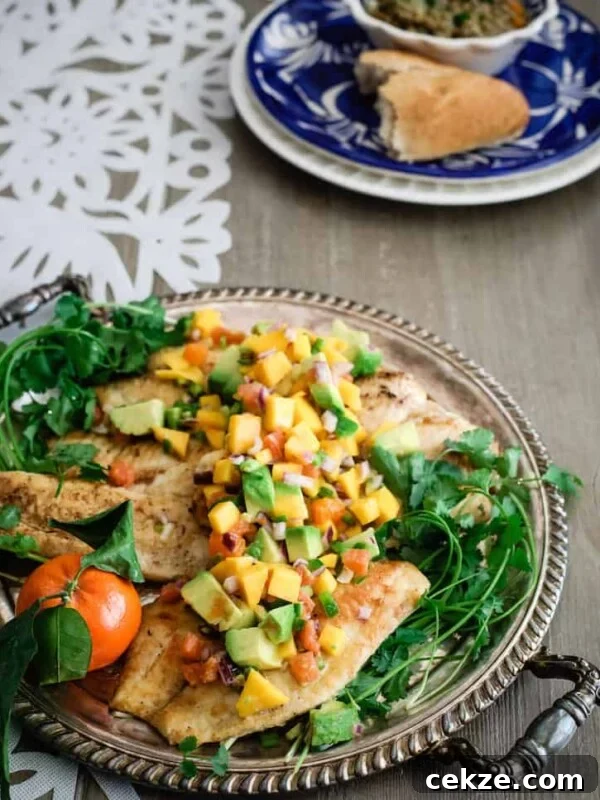
Pan-Fried Tilapia with Citrus, Mango, and Avocado Salsa
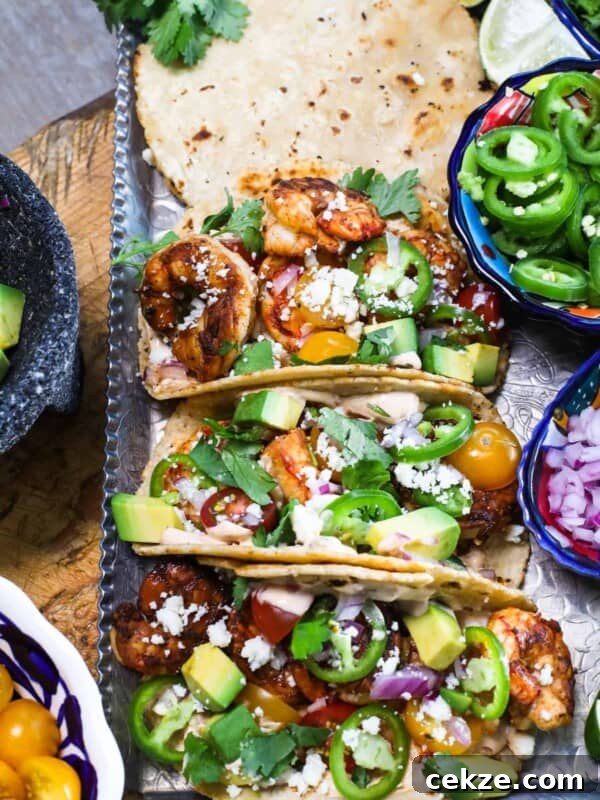
Quick & Easy Shrimp Tacos
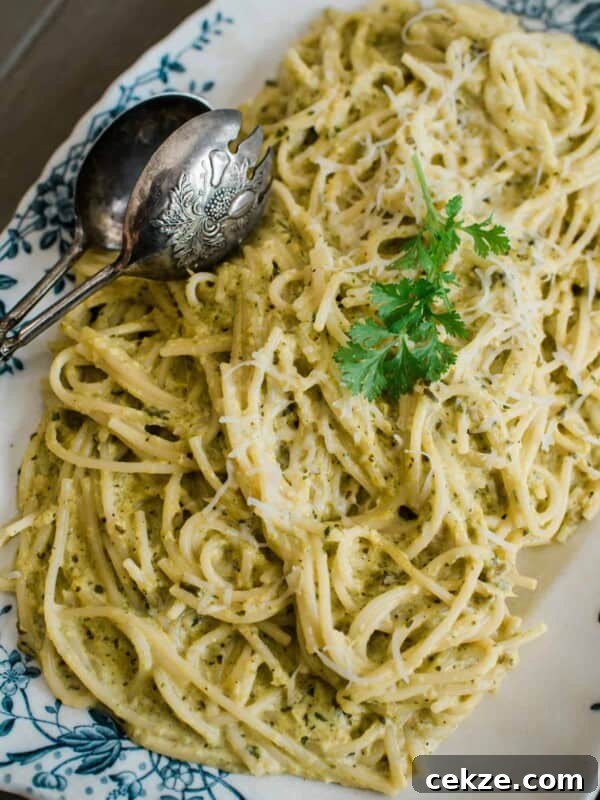
Espagueti Verde (Green Spaghetti with Poblano Cream Sauce)
If you tried this Camarones al Mojo de Ajo, please leave a star rating and share how it turned out in the comments below!
Camarones al Mojo de Ajo Recipe
Ingredients
- 1 tablespoon smoked paprika
- 2 teaspoons salt
- 2 pounds large shrimp, defrosted, peeled, and deveined
- 1/2 cup butter with olive oil & sea salt
- 1 small red onion, sliced
- 6 cloves garlic, minced
- 1 lime, juiced
- 1/2 cup chopped fresh parsley (flat-leaf or Italian)
Instructions
-
Combine paprika and salt in a small bowl.
-
Season the shrimp with the spice mixture.
-
Melt butter with olive oil in a frying pan over medium heat.
-
Add sliced onion and minced garlic; sauté about 5 minutes until softened.
-
Add shrimp and cook 6–8 minutes until cooked through and opaque.
-
Stir in lime juice and chopped parsley, then serve.
-
Enjoy with white rice, angel hair pasta, or warm tortillas.
Notes
- Shortcut: Use frozen, peeled, and deveined shrimp to save time.
- Quick defrost: Rinse shrimp in a colander under cold water for about 15 minutes when short on time.
- Don’t overcook: Shrimp cook quickly; remove them as soon as they’re pink and opaque.
- Parsley vs. cilantro: Parsley keeps the flavor bright and mild; cilantro offers a more assertive, traditional taste.
- Leftovers: Refrigerate for up to 3 days. Freezing is not recommended because reheated shrimp can become rubbery.
Nutrition
Nutrition information is an approximation.
Photography by Jenna Sparks