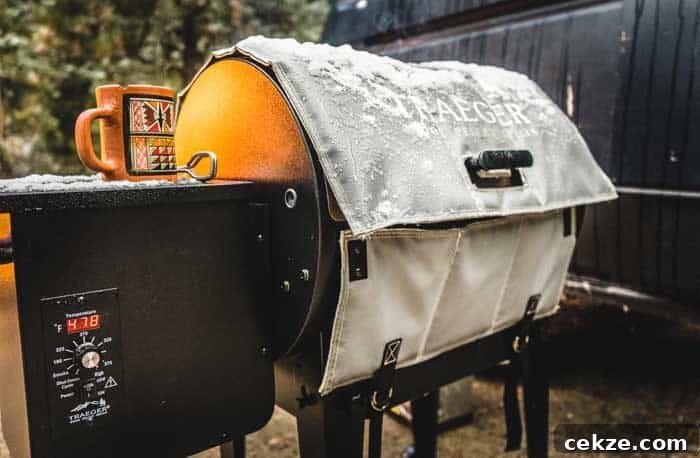
Looking for a way to keep using your BBQ smoker through the winter? Insulating your smoker lets you smoke year-round and maintain consistent temperatures for better results. This guide explains practical, safe methods to insulate a smoker and offers tips so your food stays smoky and properly cooked even in cold, windy, or wet conditions.
- Why Should You Insulate Your Smoker?
- Insulation Jackets
- Insulation Blankets
- Welding Blankets
- How to Insulate Your Smoker’s Firebox
- Verdict
Smoking meat is an ancient technique for conserving food and building deep, layered flavors. The slow, low-heat process is what creates that prized smoky profile—so maintaining steady heat and trapping smoke are essential. In cold weather, an uninsulated smoker can struggle to hold temperature, increasing fuel use and risking uneven cooking or loss of flavor. The following sections describe common insulation options, their benefits and drawbacks, and safe ways to insulate the firebox itself.
Why Should You Insulate Your Smoker?
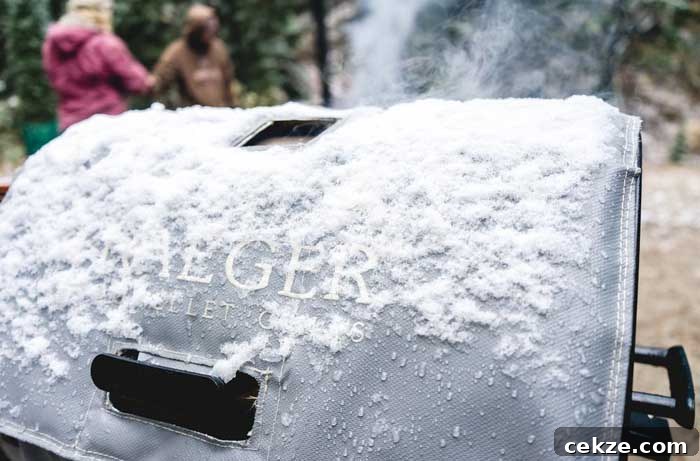
Because smokers are used outdoors, they face wind, low temperatures, rain, snow, and other elements that draw heat away. Insulation helps retain and generate consistent heat, reduces fuel consumption, minimizes temperature swings, and helps keep smoke inside the chamber so it can flavor the food. That steady, long-term heat is what gives smoked meats their texture and depth of flavor. Insulating is especially useful during long smokes in winter when the ambient temperature works against you.
Insulation Jackets
Insulation jackets are fitted coverings designed to wrap a smoker’s exterior. They are commonly made from silicone-coated fabrics, aluminized cloth, or similar materials that resist heat and reflect it back into the cooking chamber. The reflective outer layer helps retain radiated heat while the fabric layers add thermal resistance.
Jackets can be bought pre-made for popular smoker models or custom-made to fit non-standard units. When properly sized and installed, a jacket improves heat retention and reduces the amount of fuel needed to maintain set temperatures.
Pros
- Widely available for many smoker models
- Work especially well with vertical/stacked smokers
- Simple to attach and remove
Cons
- If the jacket covers the firebox or vents it can be a fire hazard—keep it clear of flames
- Often need a custom fit for best performance
Insulation Blankets
Insulation blankets are flexible layers of insulating material with the reflective/aluminized layer typically inside the blanket, as opposed to jackets where the reflective layer is on the outside. Blankets are generally more universal in fit: you wrap them around the smoker and secure them so they sit snugly without covering the firebox or blocking vents.
The main advantage of blankets is their adaptability. They can be trimmed, overlapped, or layered to fit different shapes and sizes of smokers. Proper wrapping is important—gaps or loose sections will reduce effectiveness, but when applied correctly, blankets can significantly stabilize temperatures and reduce smoke loss.
Pros
- One-size-fits-most—no exact custom fit required
- Easy to use and reposition between smokers
- Effective at keeping heat in when secured properly
Cons
- Poorly wrapped blankets can slip or leave gaps, reducing performance
Welding Blankets
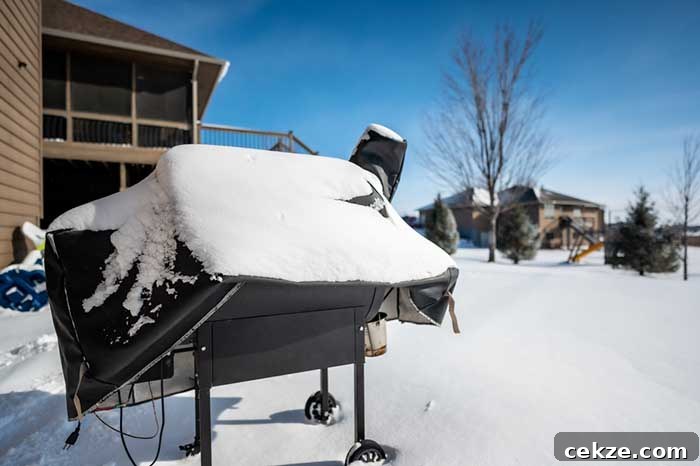
Welding blankets are designed to protect against sparks and high temperatures, and they make a practical, heavy-duty option for insulating a smoker. Made from heat-resistant fibers and often featuring aluminized surfaces, welding blankets are durable and tolerate higher temperatures than some consumer-grade options.
They work similarly to insulation blankets: wrap and secure them snugly around the smoker body, avoiding the firebox and any moving parts. Because they’re built for industrial heat exposure, welding blankets are a good choice when you want a robust cover that stands up to rugged conditions and repeated use. As always, avoid covering vents or the firebox and check periodically for wear.
How to Insulate Your Smoker’s Firebox
Do not cover the firebox with general-purpose blankets or jackets. The firebox needs to remain clear of flammable coverings and have proper airflow. If you want to insulate the firebox itself, use materials rated for direct heat exposure—cement board, firebrick, or other fire-resistant linings are common choices.
To line a firebox: ensure the firebox is cool and empty, measure the interior walls, and cut cement board or firebrick to fit. Install the boards or bricks so they sit snugly against the inner walls, using high-temperature mortar or fasteners recommended by the product manufacturer. These materials add thermal mass and protect the smoker shell from direct flame contact while improving heat stability. Before using any material near food, verify manufacturer specifications for heat tolerance and any coatings or binders that could outgas at high temperatures.
Verdict
Insulating your smoker makes winter barbecuing more reliable, efficient, and enjoyable. Jackets, blankets, and welding blankets are practical ways to reduce heat loss, each with advantages depending on your smoker style and budget. Jackets offer a neat, fitted solution for vertical smokers; blankets and welding blankets provide flexible, durable options that fit many shapes. For the firebox, use fire-resistant boards or bricks installed inside the box, not external fabric covers.
Overall, an insulation blanket is a versatile choice if you want a single solution that adapts to different smokers, but choose the method that best matches your smoker type and safety concerns. With proper insulation and attention to fire safety, you can maintain steady temperatures, conserve fuel, and enjoy high-quality smoked food all winter long.