Cookbook Reading
One of my goals for 2023 was to read more, and it’s become a pleasant challenge. At the end of a long day, I don’t always reach for a book, so I made a conscious choice to prioritize books I actually enjoy—thrillers and accessible non-fiction—rather than forcing myself through dense classics. Not that the classics aren’t valuable, but between my MA studies and daily academic reading, lighter, engaging books work better for me right now. Along the way I discovered a growing fondness for cookbooks. Many of them are intimate and personal, mixing short stories or memories with recipes. That combination—brief anecdotes paired with practical, interesting recipes—makes reading cookbooks feel like a warm, inspiring treat.
NOTE TO OUR READERS:
Any links marked with an asterisk (*) are affiliate links. This means we may earn a commission on eligible purchases made through those links. For details on disclosures, please see our privacy policy.
Today’s Recipe
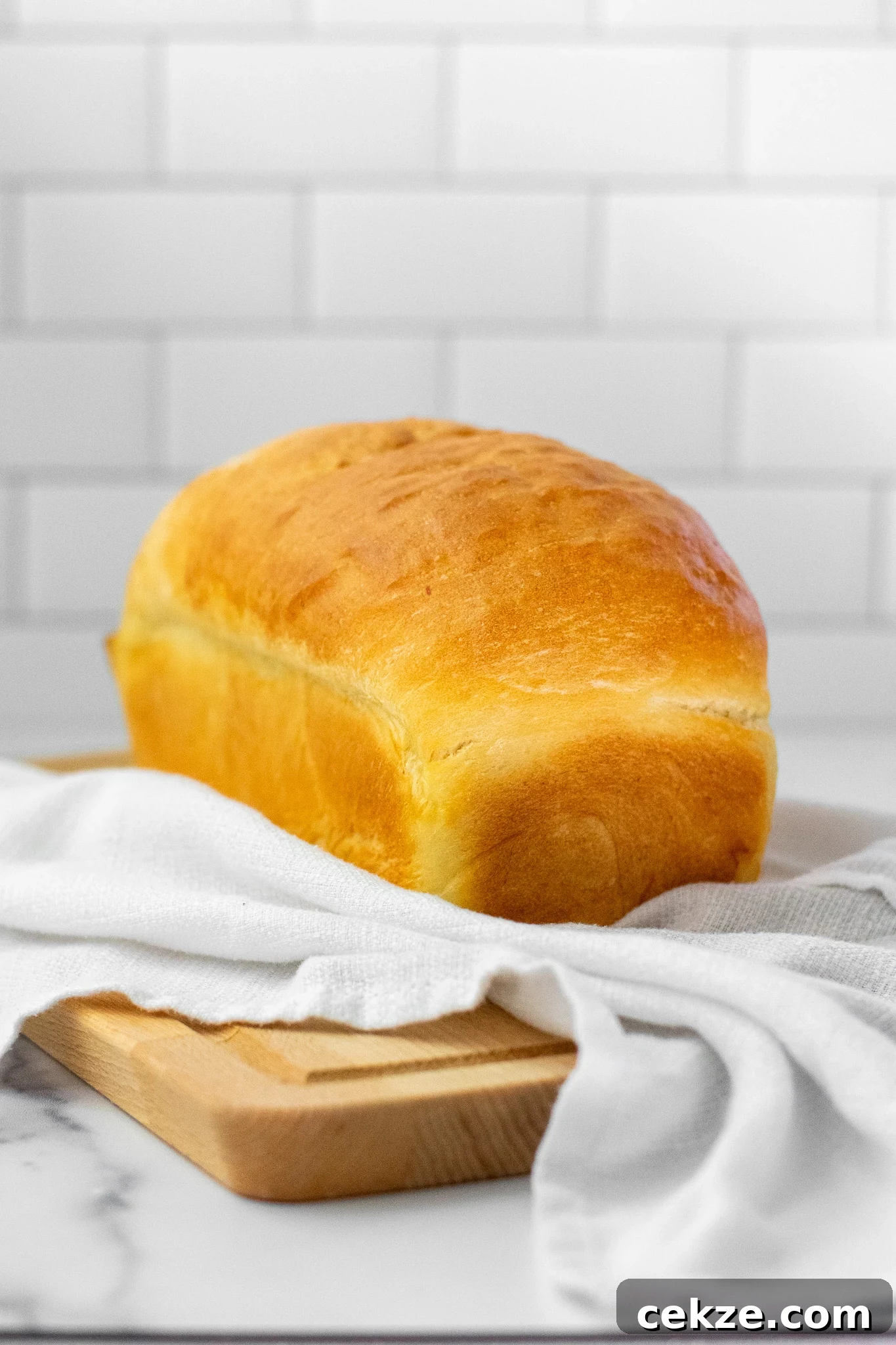
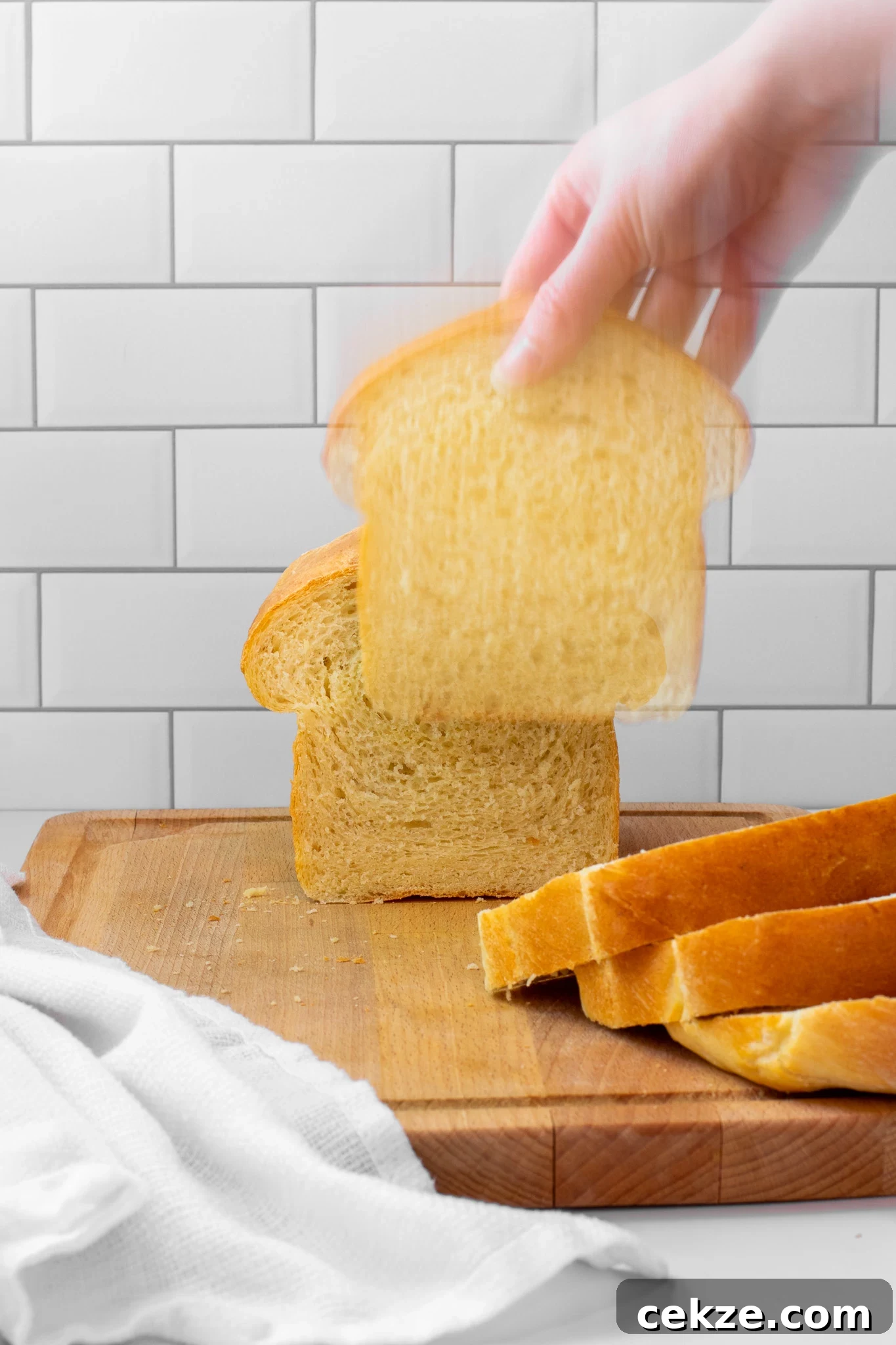
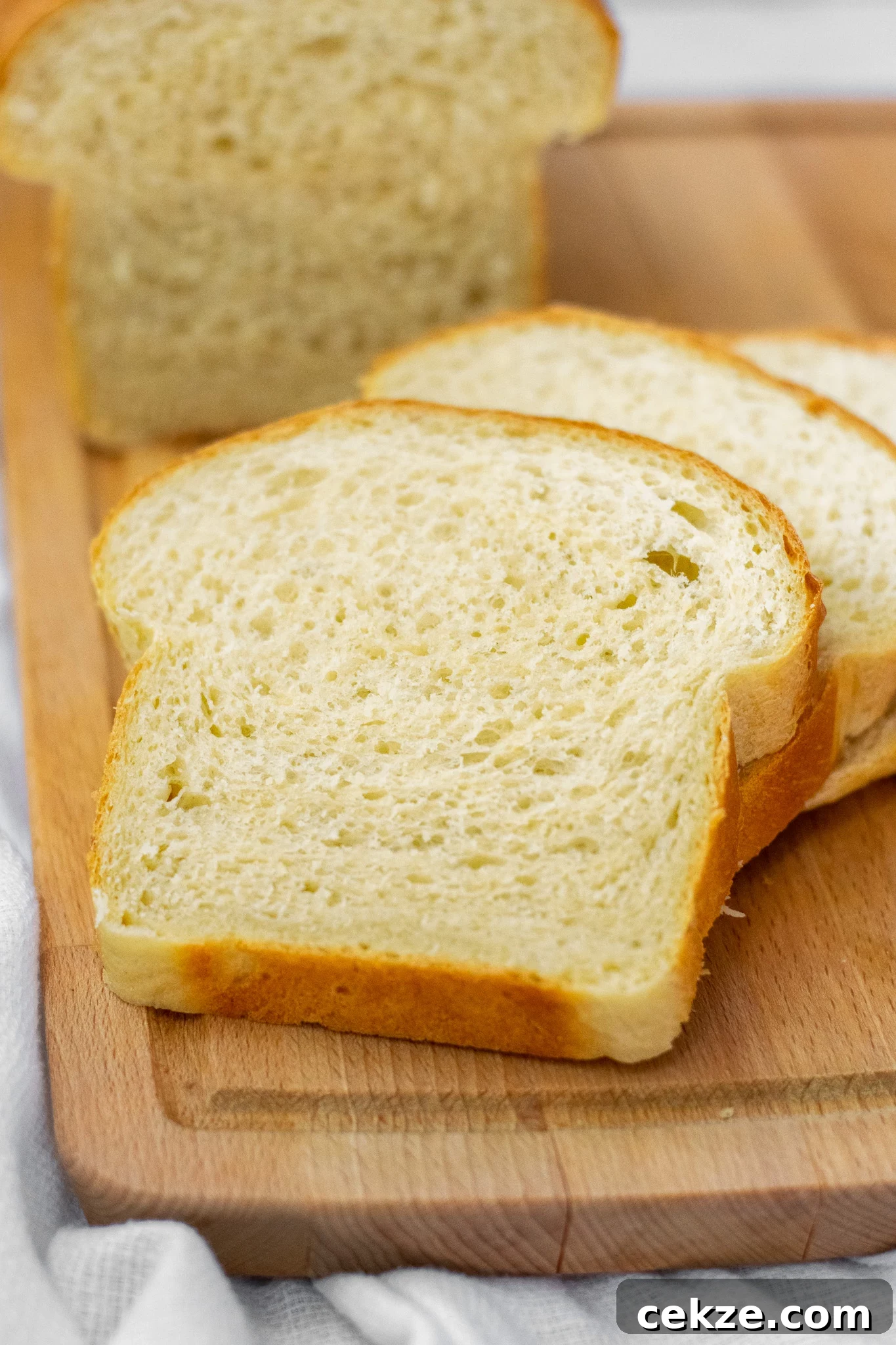
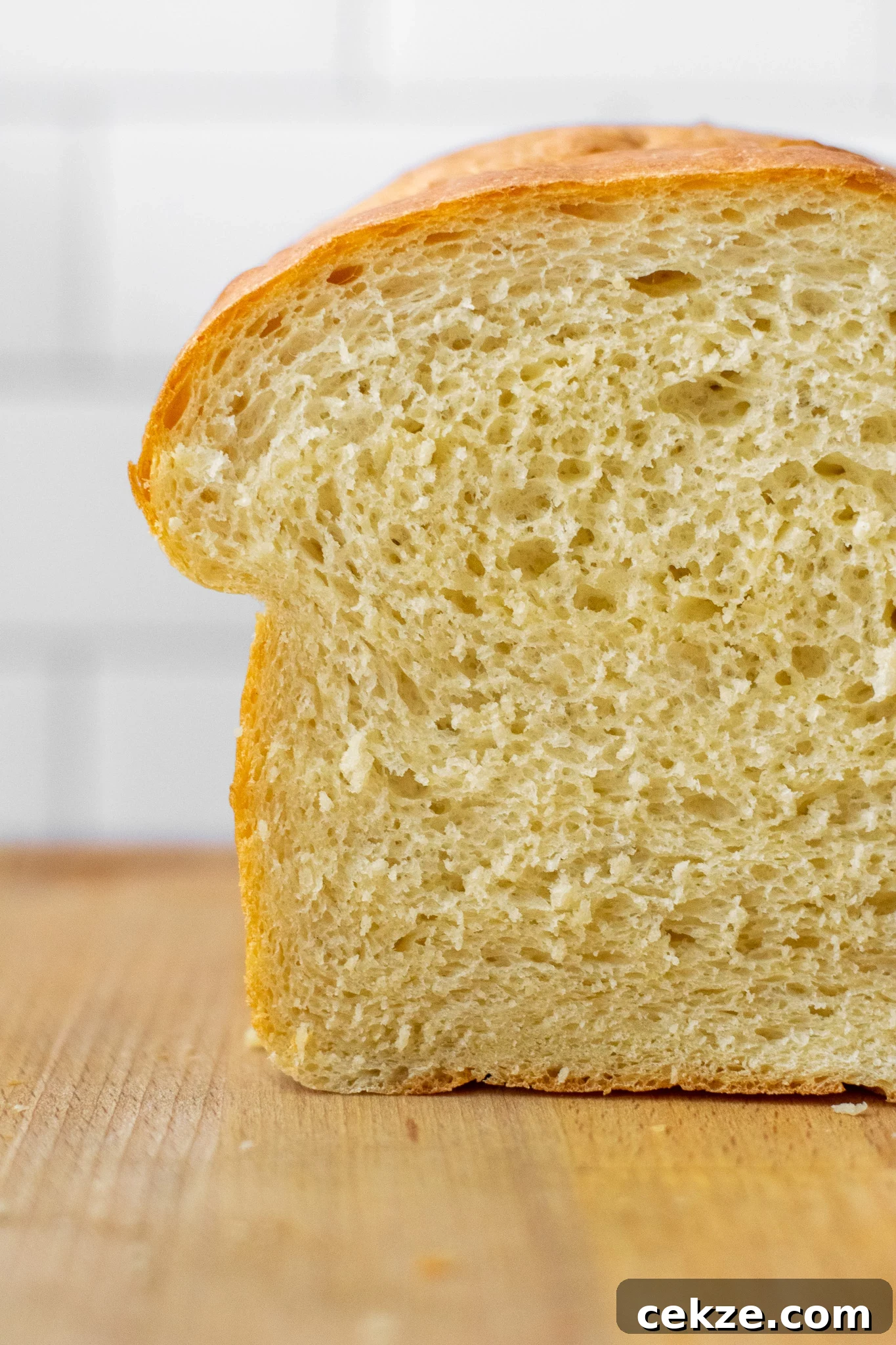
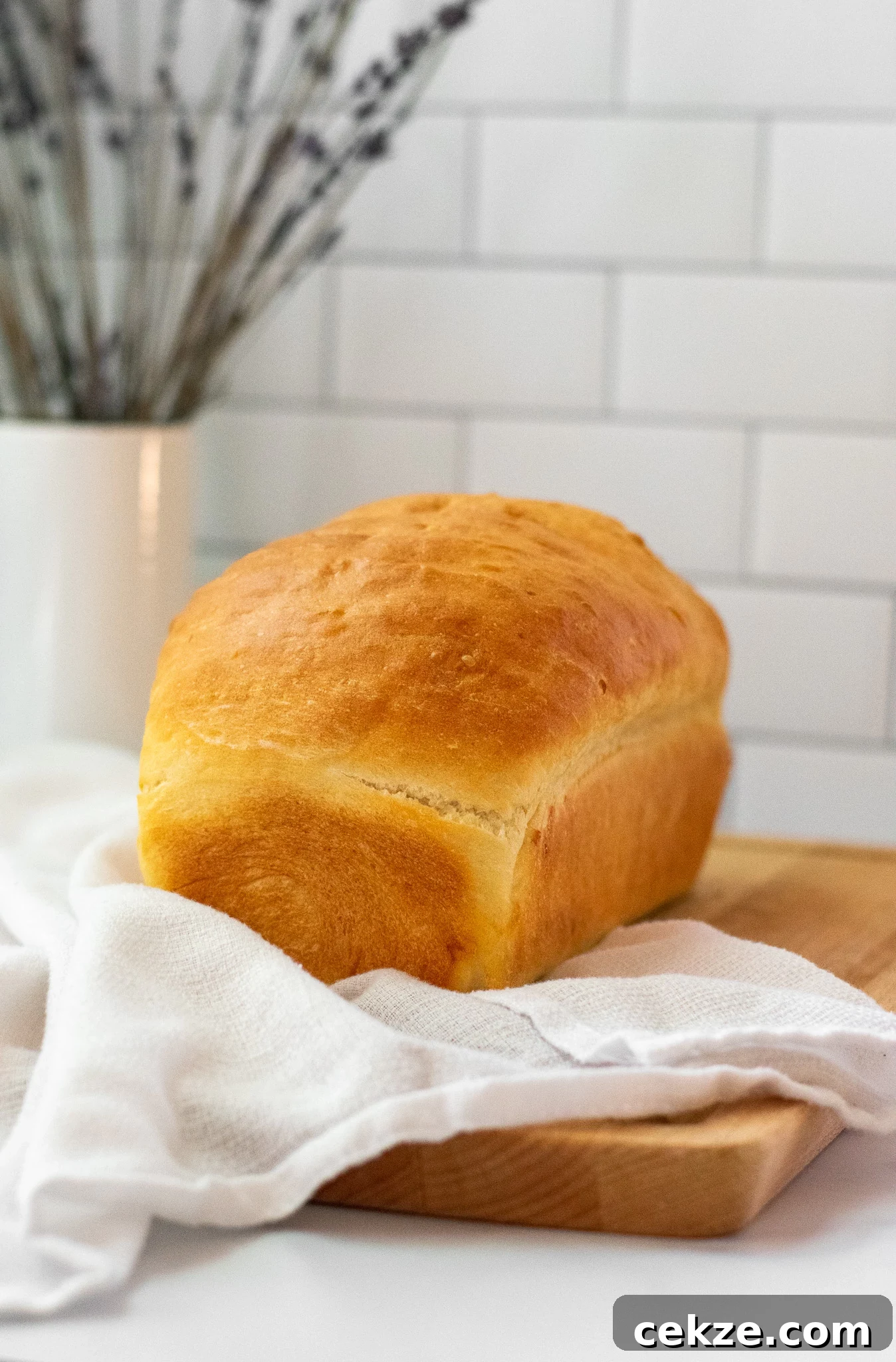
Today’s recipe was inspired by one of my recent favorites, The Nordic Baking Book by Magnus Nilsson*. It’s a sizable collection packed with recipes and pared-back commentary—ideal for bakers who prefer clear instructions over lengthy essays. While browsing for ideas for our blog, I came across a potato bread recipe from Iceland. This is our variation—rooted in the same idea but adapted to our preferences and testing. Potato bread, or kartoffelbrød, is common in many cuisines; our version highlights the soft, moist crumb that potatoes contribute, producing a loaf that’s excellent for sandwiches or simply with butter.
How to Make Kartoffelbrød
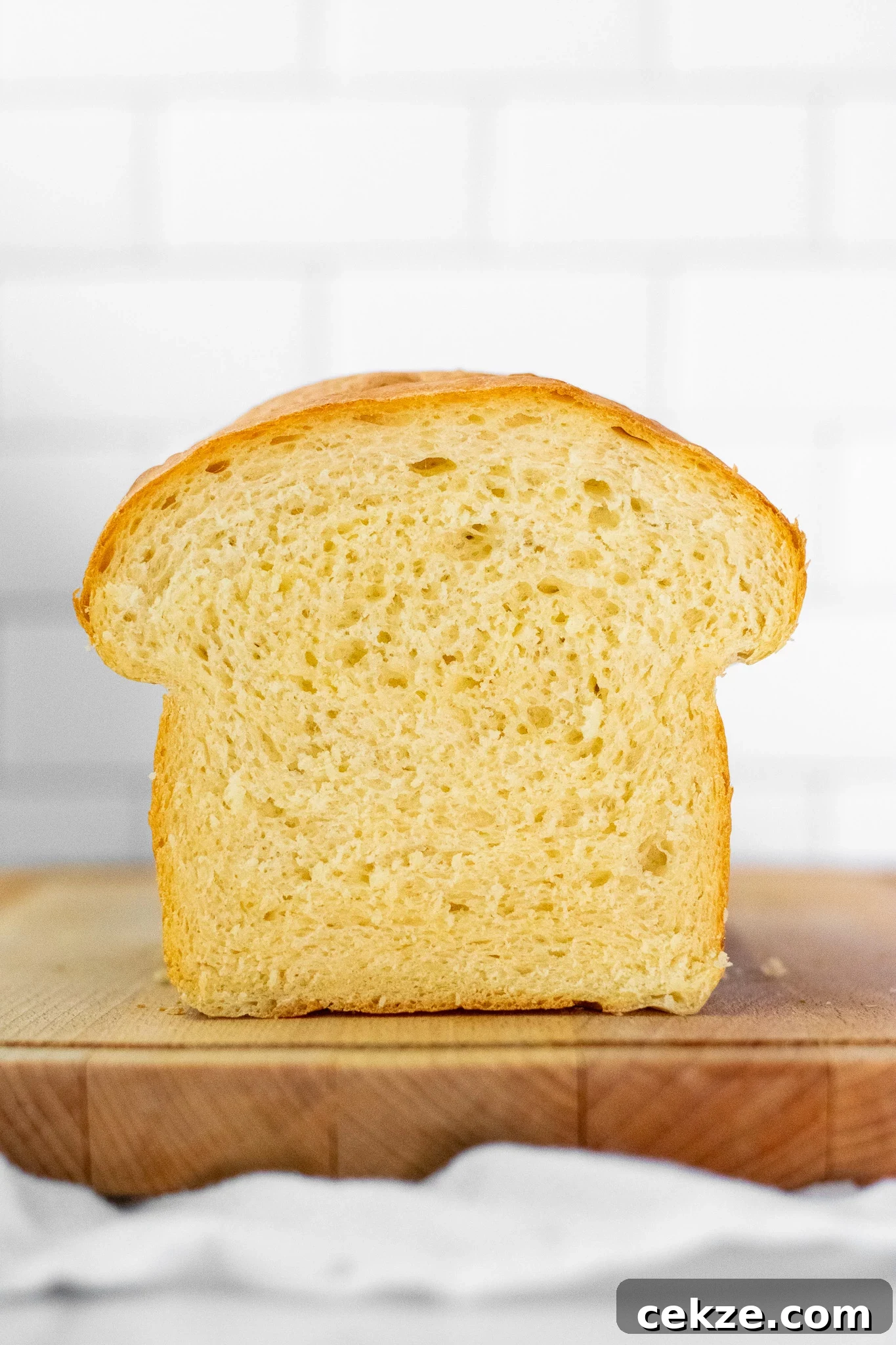
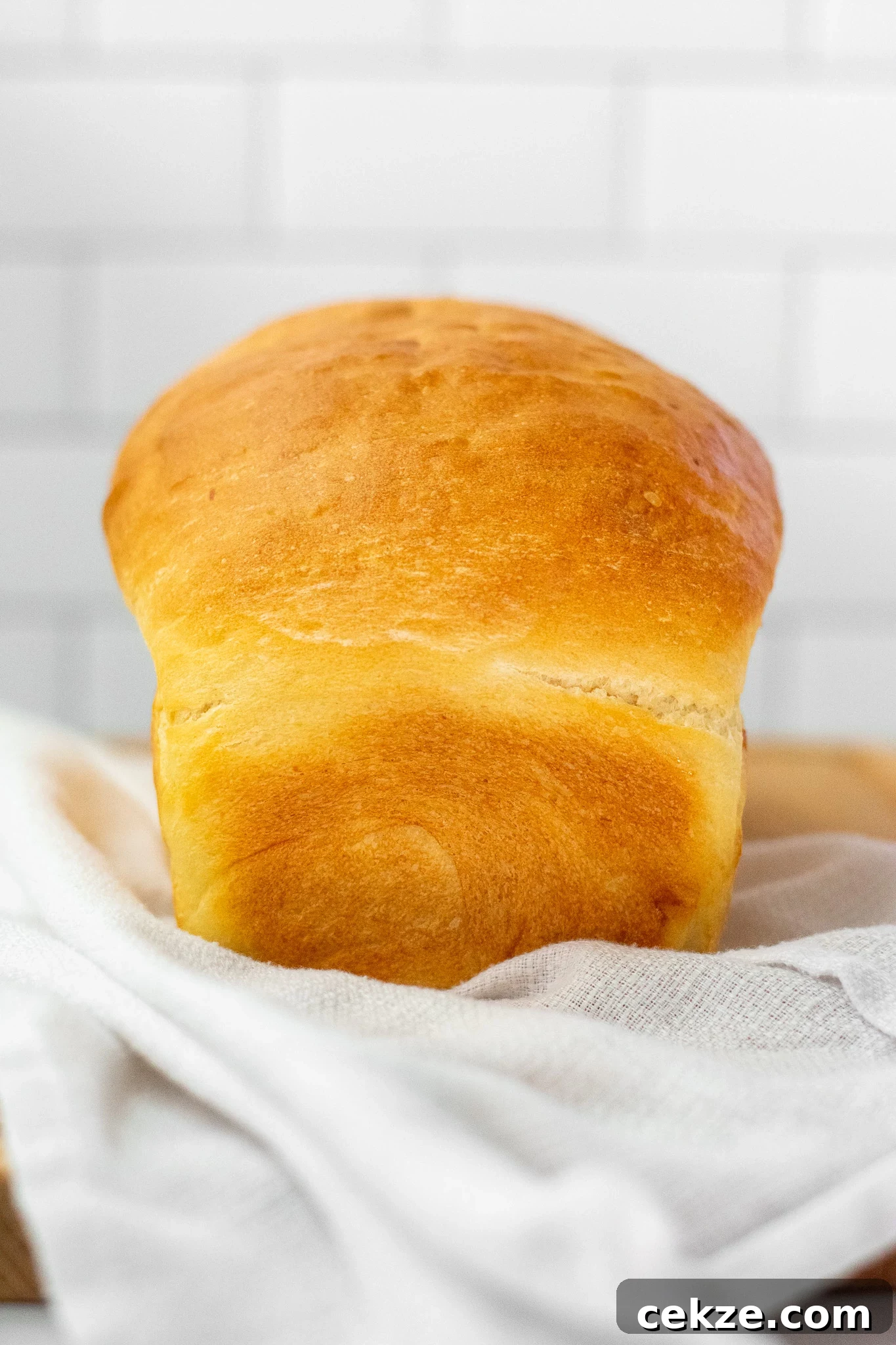
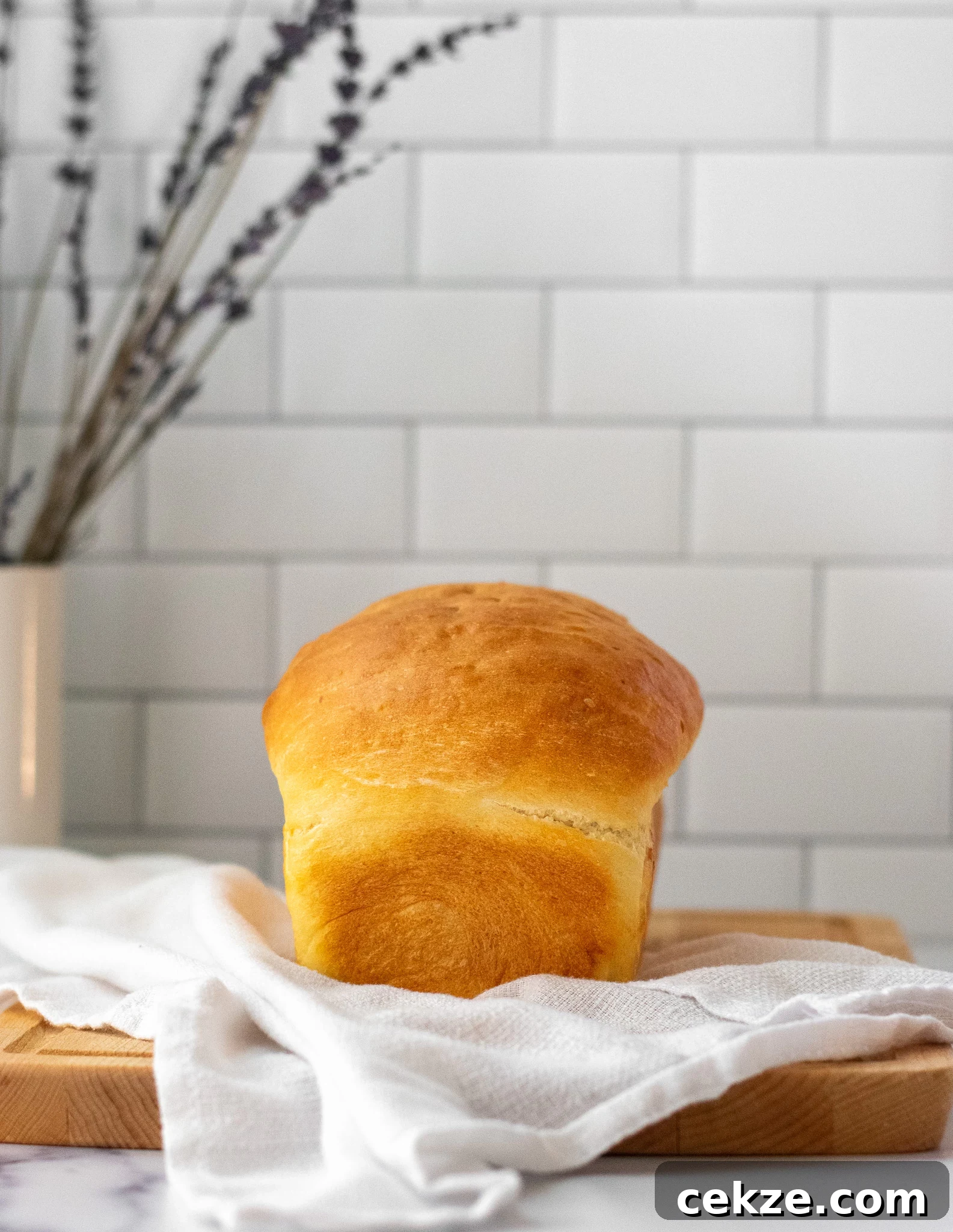
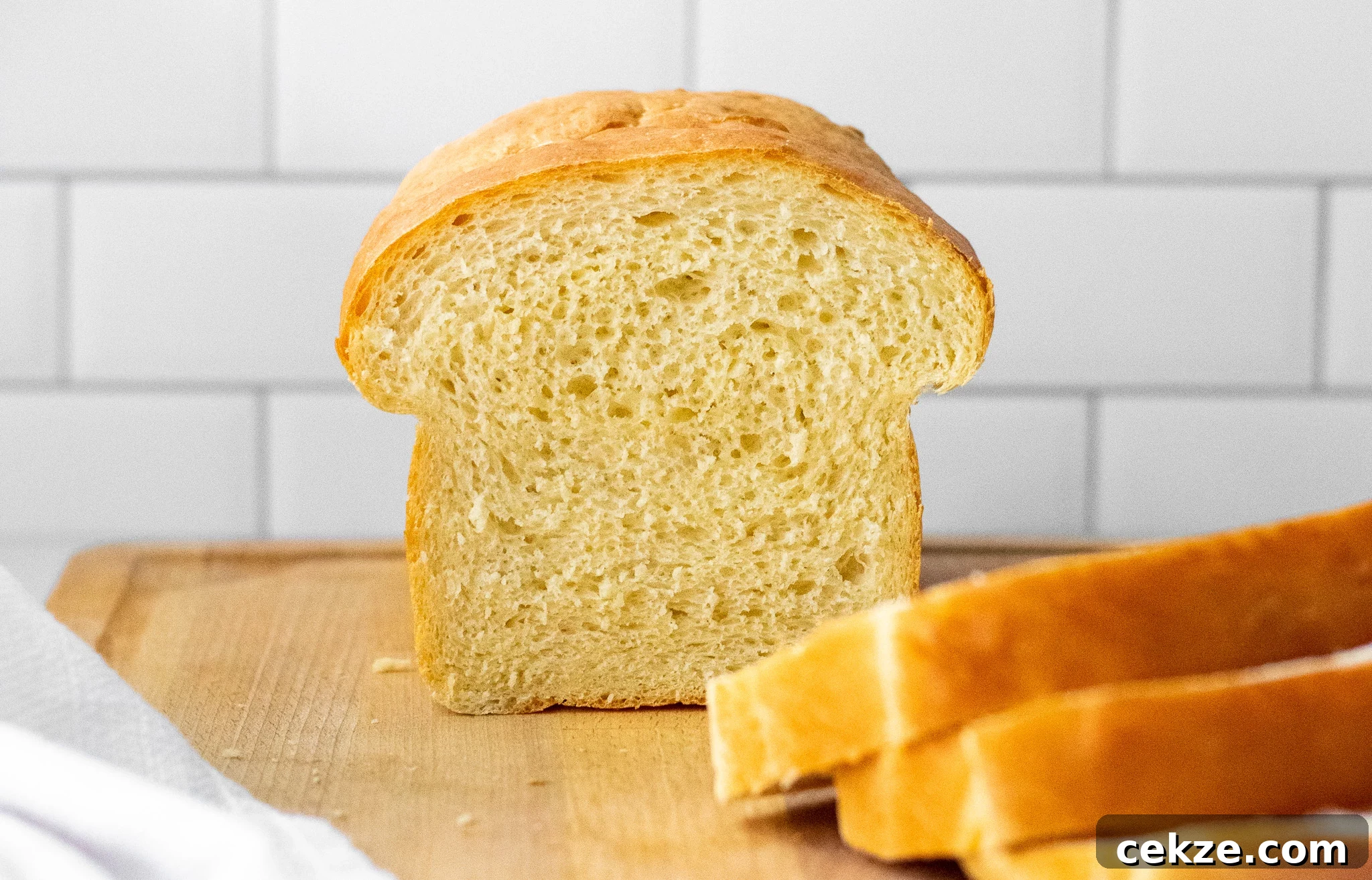
Making kartoffelbrød is similar to preparing a standard yeast loaf, with one important difference: cooked, mashed potatoes are added to the dough. Potatoes contribute moisture and structure, so we reduce the other liquids slightly. Knead until the dough is smooth and elastic, allow a full rise, shape into a loaf, then proof again briefly before baking. The result is a soft, tender crumb with a lovely crust—ideal for everyday meals. Below you’ll find our tested ingredient list and step-by-step instructions to get consistent results.
Watch Our Video
Kartoffelbrød (Potato Loaf)
Pin Recipe
IMPORTANT NOTE:
We bake using a digital scale and the metric system (grams and milliliters) for accuracy. Our recipes are developed in a convection (fan) oven; oven temperatures and times can vary, so adjust as needed.
Ingredients
- 150 ml (~2/3 cup) milk
- 2 tsp (2.5 tsp active dry yeast, 17.5g fresh yeast)
- 1 tsp sugar
- 350 grams (~3 cups) bread flour or all purpose flour
- 200 grams boiled and mashed/riced potatoes (~2 medium potatoes) *weight after ricing/mashing the boiled potatoes
- 1.5 tsp salt
- Milk for milk wash
Instructions
-
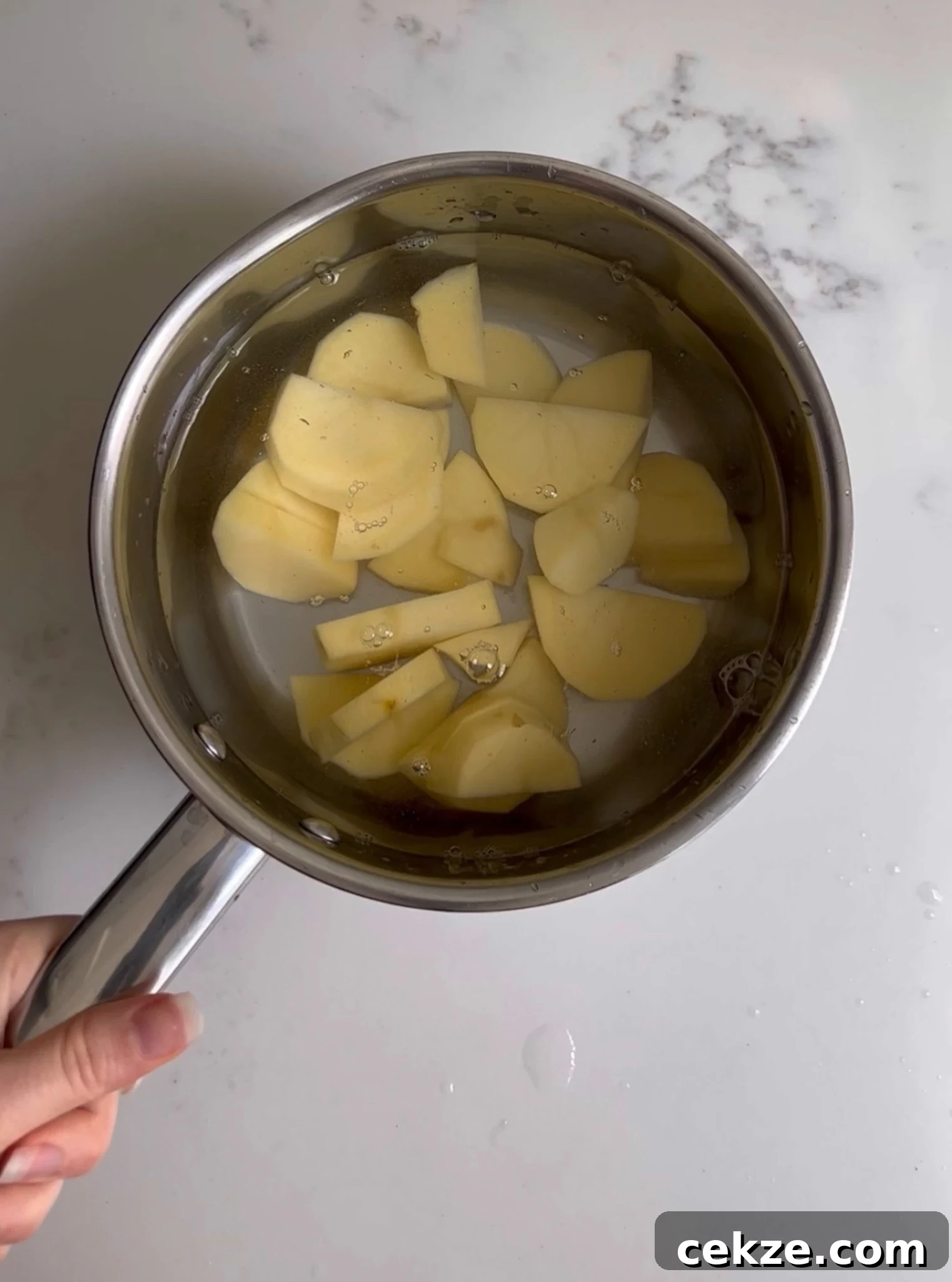
Peel and wash 2 medium potatoes. Cut into roughly 1-inch pieces so they cook evenly.

-
Place the potatoes in a pot, cover with cold water, bring to a boil, and simmer until tender, about 10 minutes depending on size.
-
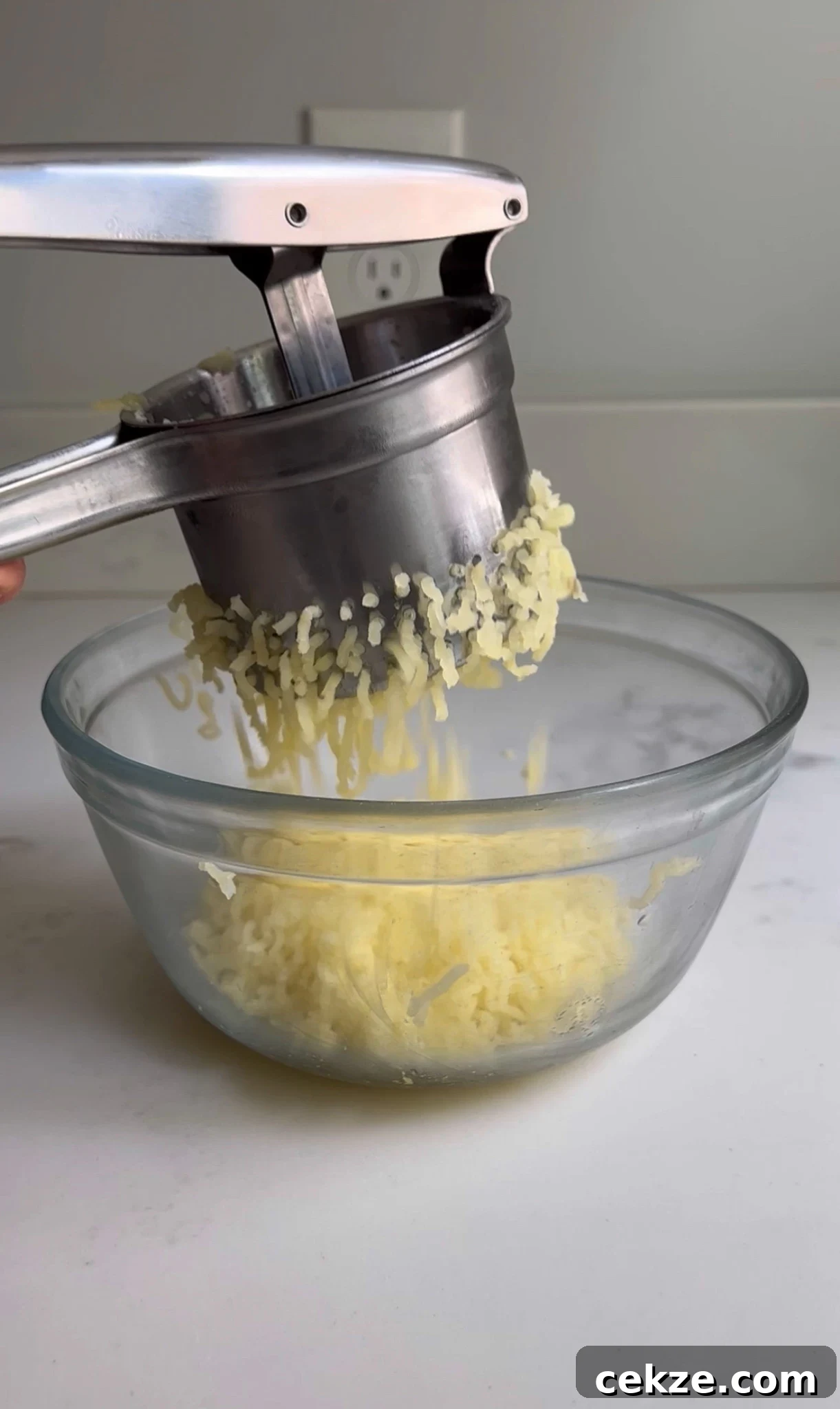
Drain and mash the potatoes thoroughly or pass them through a ricer for a smooth texture. Allow them to cool slightly before using in the dough.
-
Warm the milk until it is finger-warm (warm, not hot). Stir in active dry yeast and sugar, then rest 5–10 minutes until the mixture froths. If using instant yeast, add it directly to the dry ingredients.
-
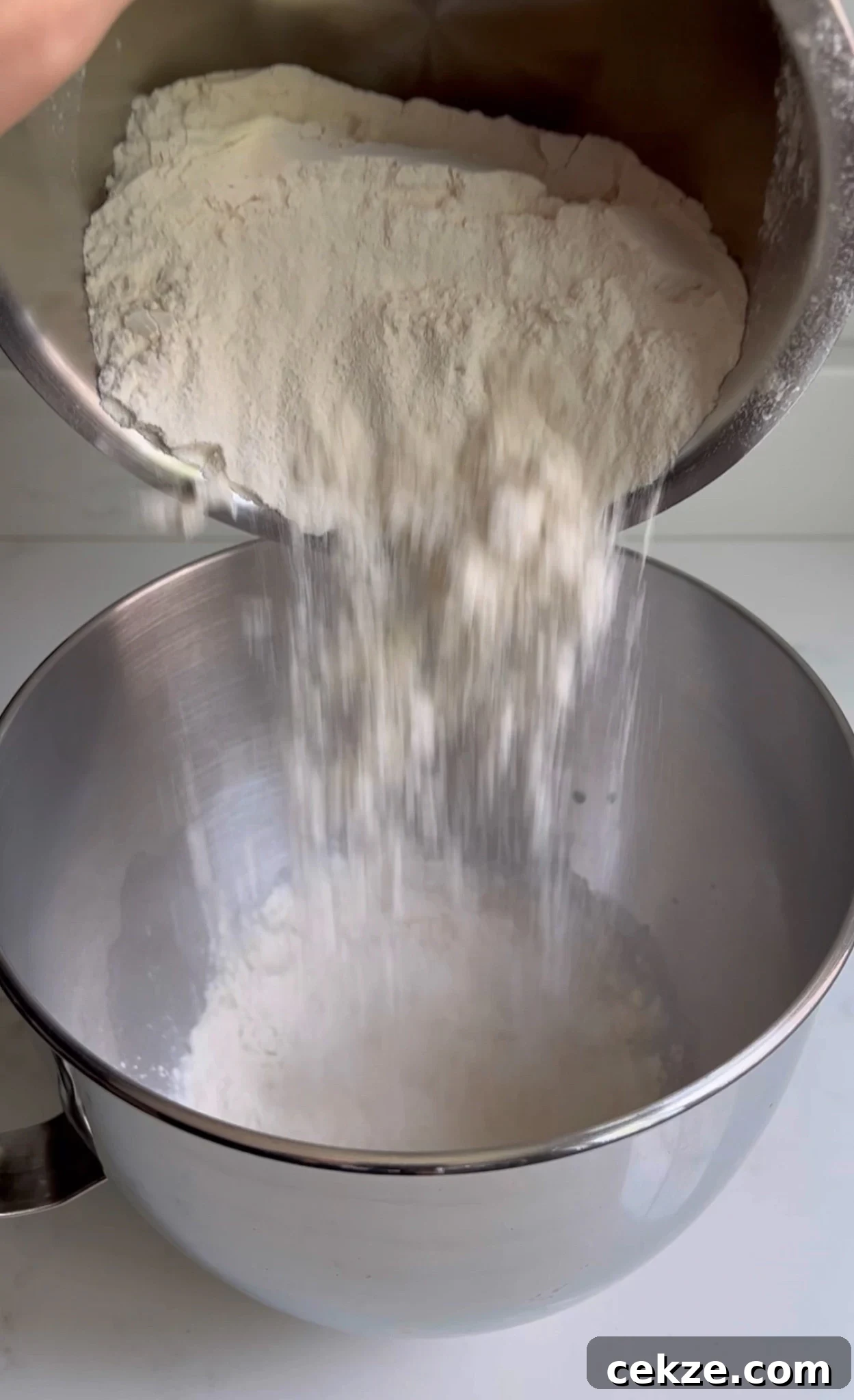
Combine the flour, salt, mashed potatoes, and the milk/yeast mixture in a stand mixer bowl or large mixing bowl.
-
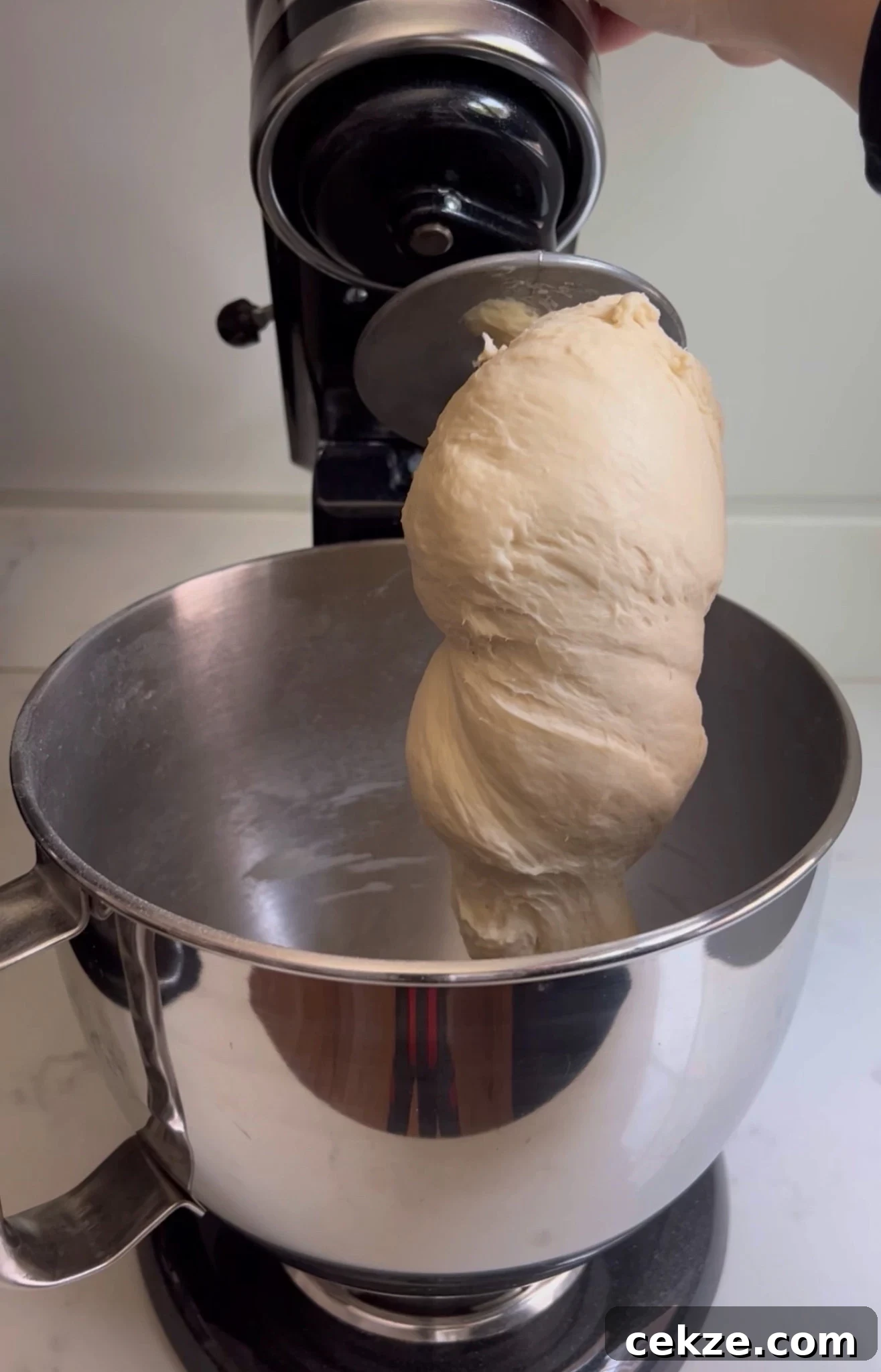
Knead with a dough hook for about 10 minutes until smooth and elastic. If kneading by hand, mix until combined and knead on a lightly floured surface. Adjust with a little water or flour if the dough is too dry or sticky.
-
Cover the dough with plastic wrap or a damp towel and let it rise in a warm spot for about 45 minutes, until doubled and passing the poke test.
-
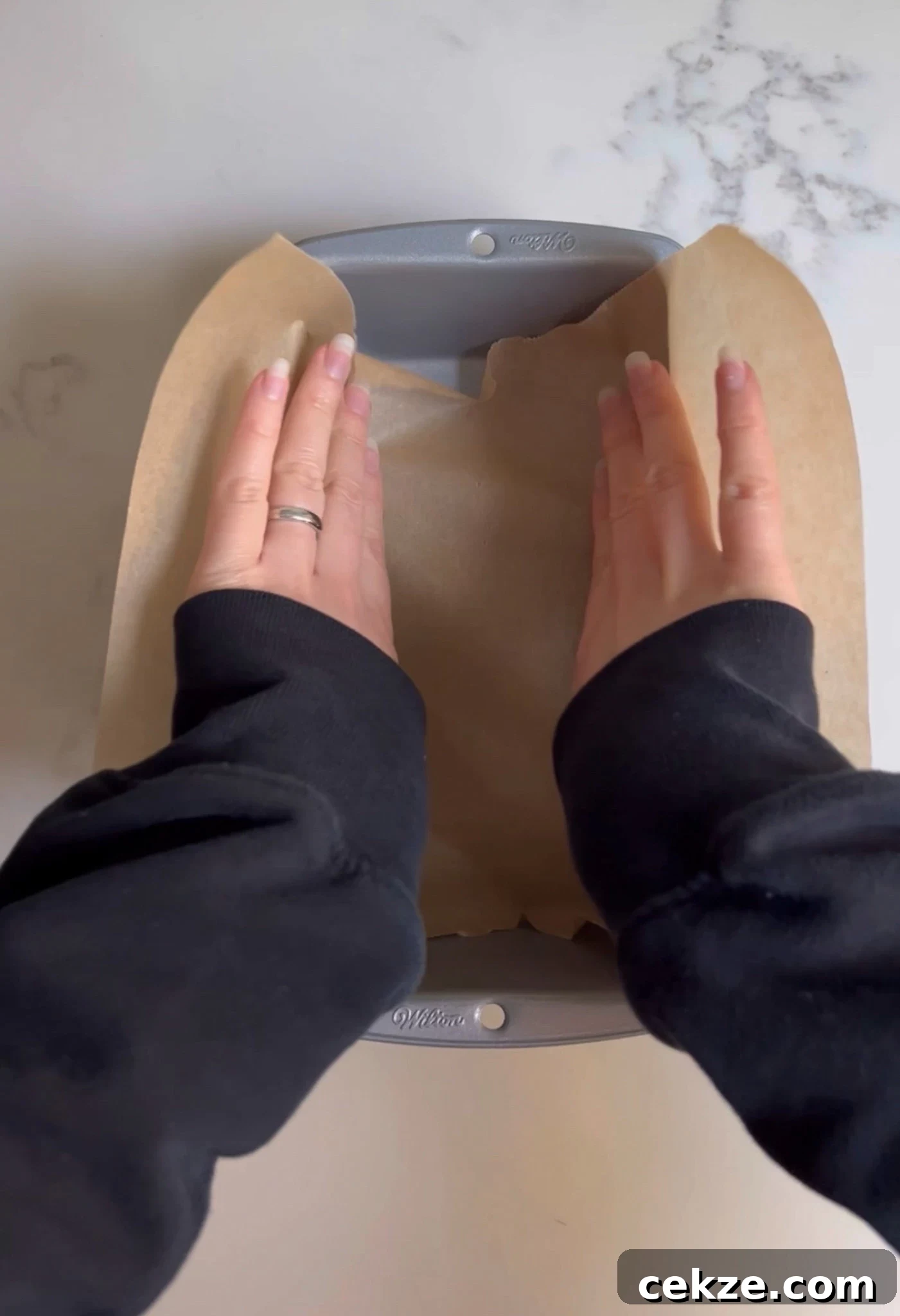
Prepare a loaf tin by greasing it or lining with parchment that overhangs for easy removal.
-
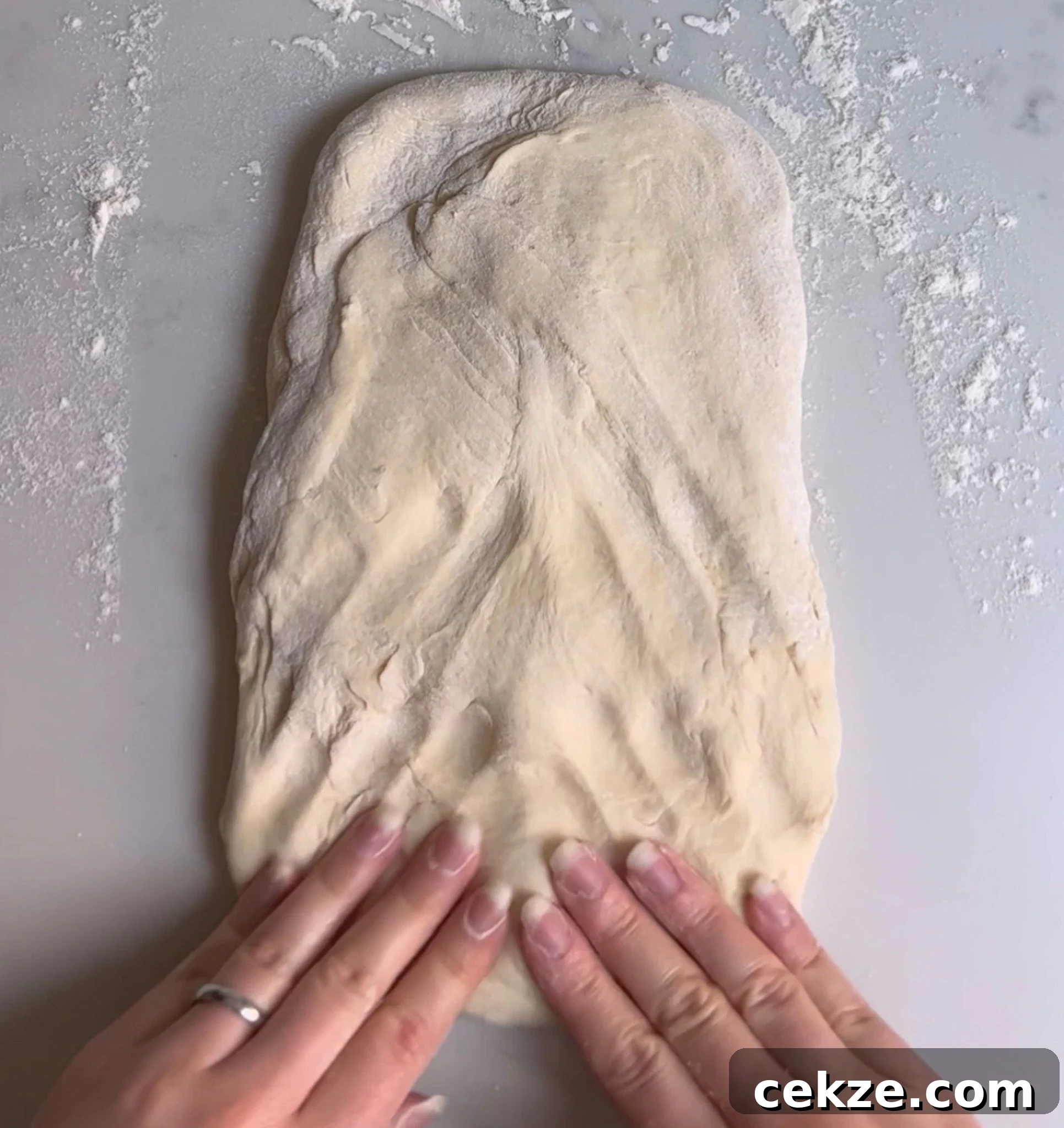
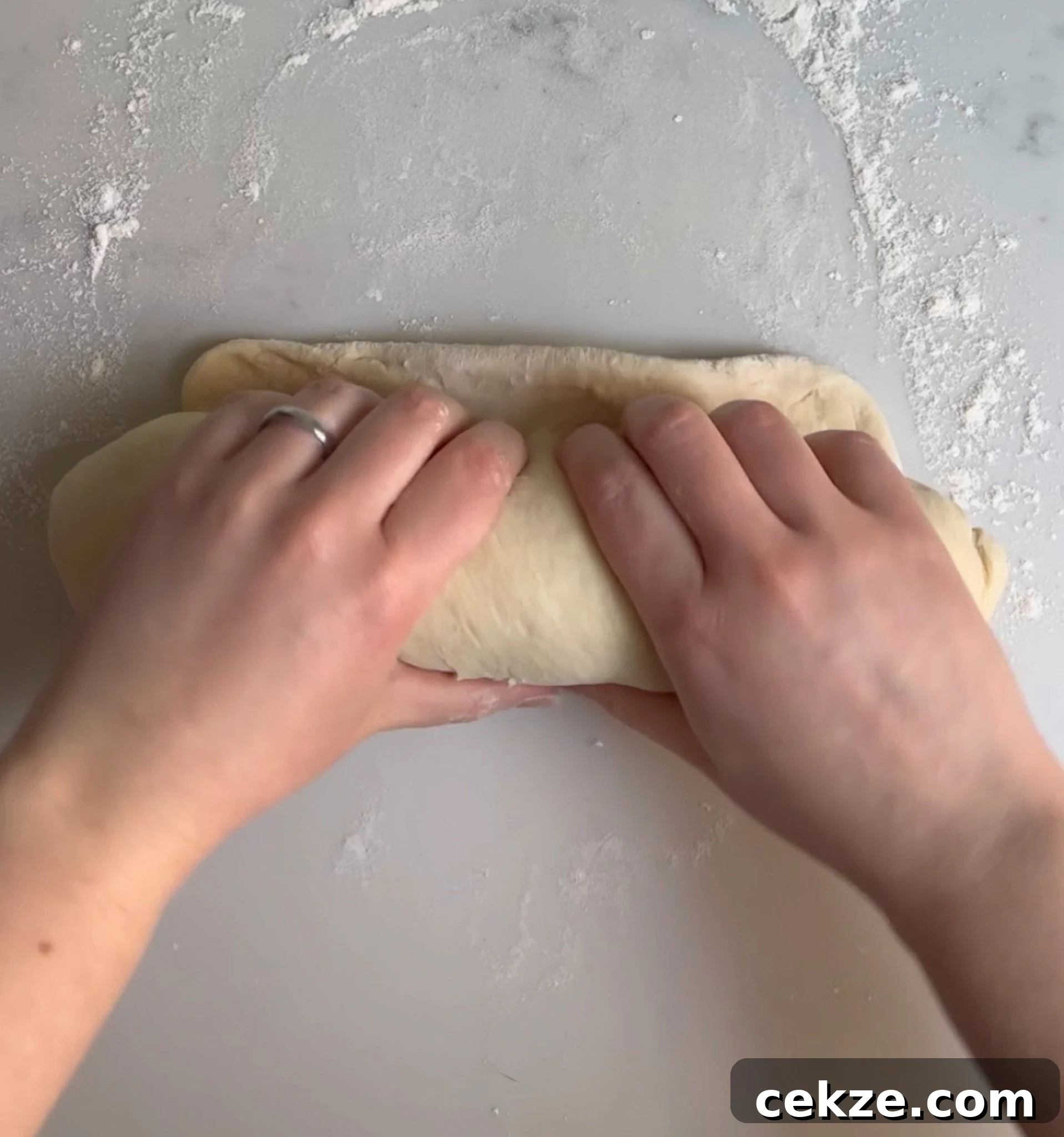
Turn the risen dough onto a clean surface and press into a rectangle no wider than your loaf pan. Roll tightly from the short edge into a log.
-
Pinch the seam closed and roll the log gently on the counter to create surface tension. Place the loaf seam-side down in the prepared pan.
-
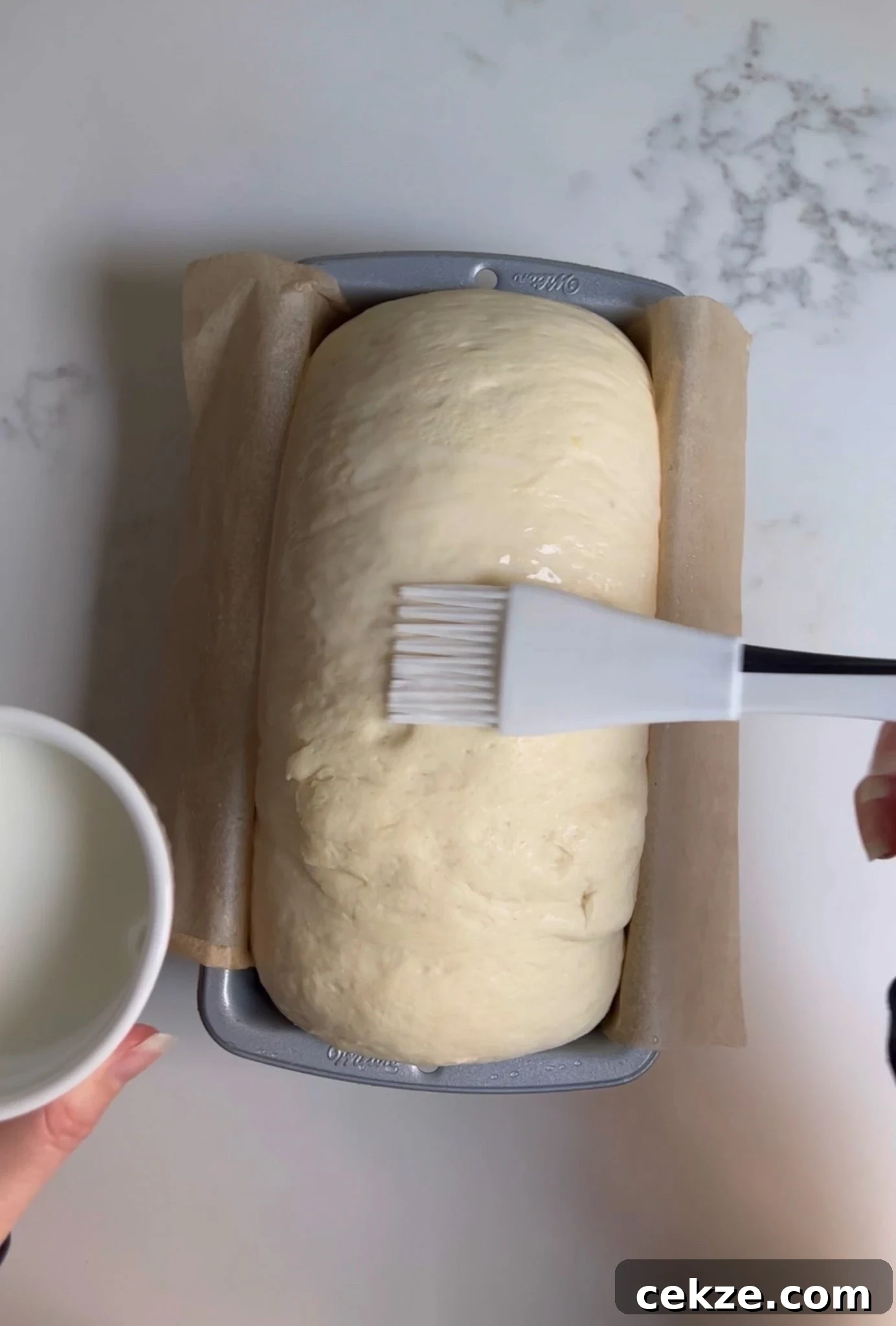
Cover and let rise another 45 minutes in a warm place until risen. Preheat the oven to 350°F (176°C) while the loaf proofs.
-
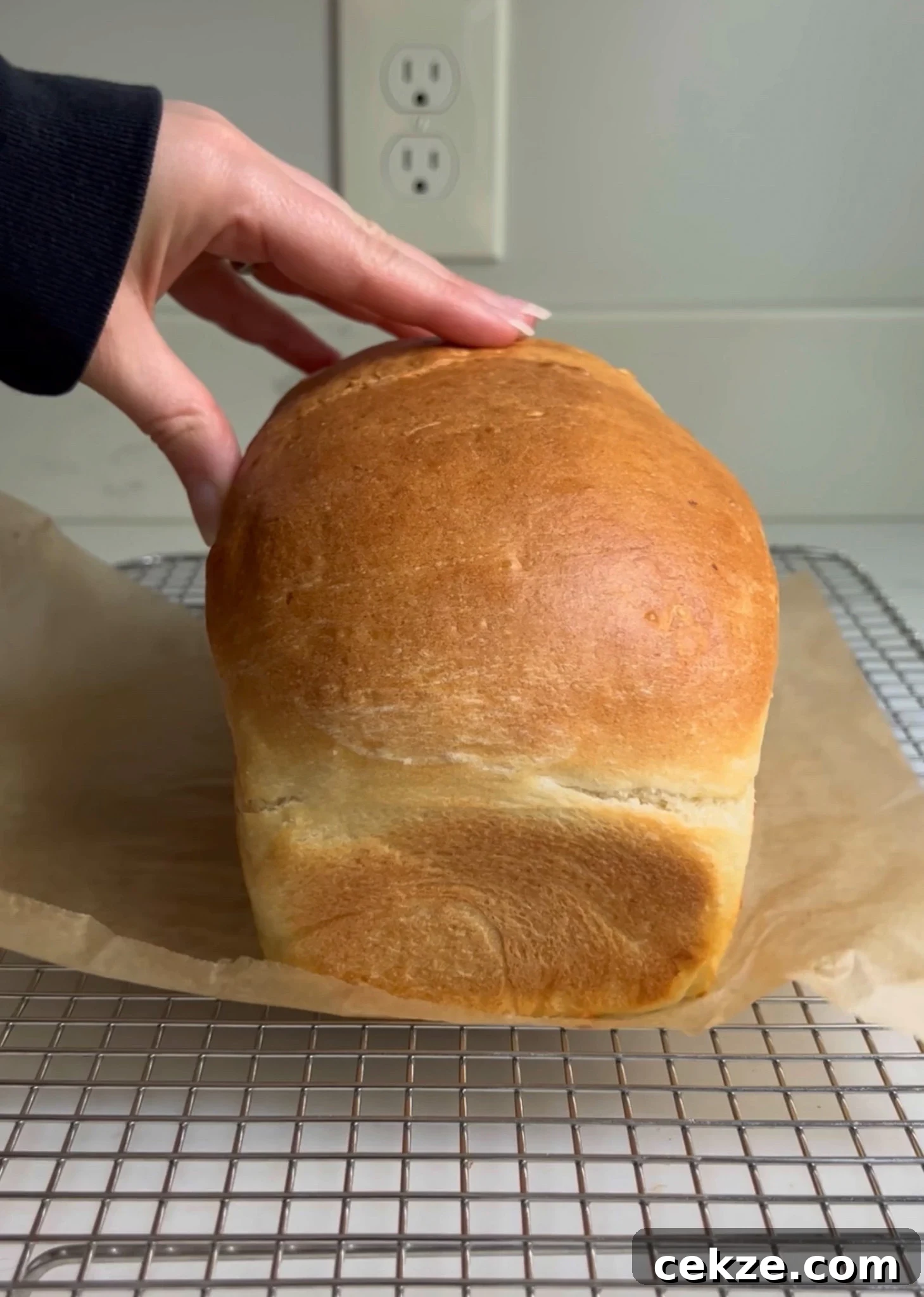
Brush the top of the loaf with a little milk, then bake for about 30 minutes or until golden and hollow-sounding when tapped. Adjust time as needed for your oven.
-
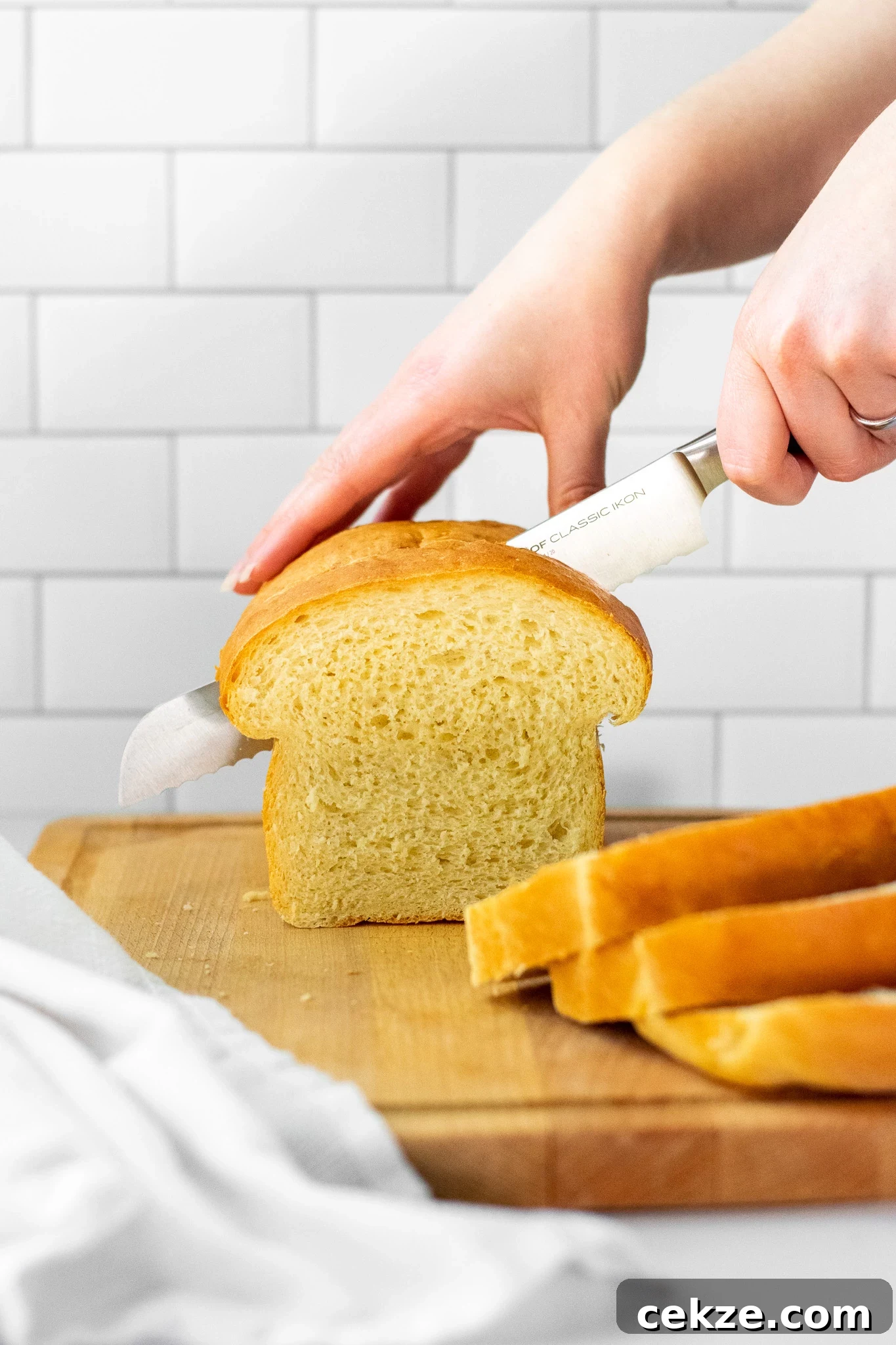
Cool the loaf at least 30–60 minutes before slicing to allow the crumb to finish setting. Enjoy fresh or toasted.