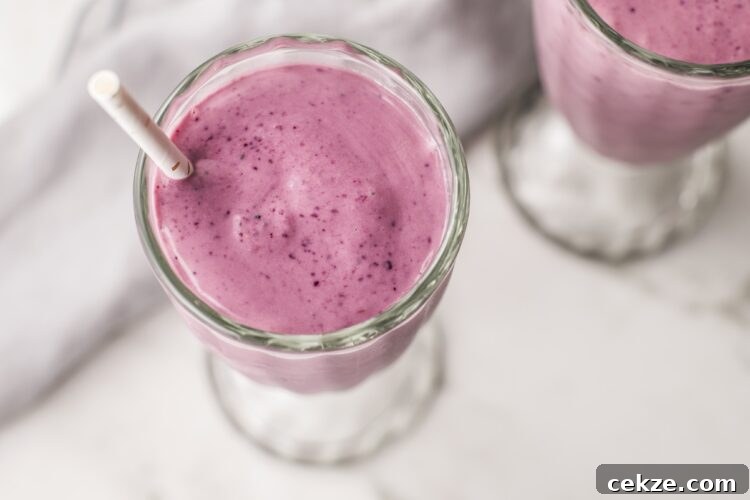
There are dozens of protein powders and pre-made shakes available, and choosing the right one for weight loss can be confusing. When designing a weight-loss-friendly protein shake, focus on quality protein, balanced carbohydrates, healthy fats, and an appropriate calorie target. Below, you’ll find practical guidance on building effective shakes and a rundown of popular protein powder types to help you decide.
Benefits of Drinking Protein Shakes

Protein shakes offer several advantages for weight management and overall health. Protein supports muscle maintenance and growth; muscle tissue burns more calories at rest than fat tissue, which can raise your daily energy expenditure. Protein also increases satiety, helping control appetite and reduce snacking between meals. When used sensibly—paired with vegetables, fruit, and whole-food ingredients—protein shakes can be an efficient, nutritious meal replacement or post-workout recovery option.
What to Add to Your Protein Shake
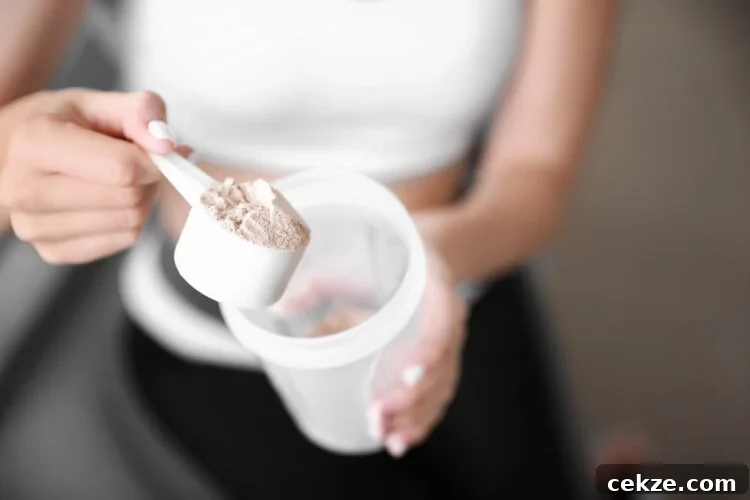
A balanced protein shake typically includes a protein source, fiber-rich carbohydrates, healthy fats, and a liquid base. Below are the main components and tips for choosing them.
1. Lean Protein
A quality protein source is the foundation of any protein shake. Protein powder is the most convenient option, but you can also add low-fat dairy such as Greek yogurt or cottage cheese for extra protein and creaminess. Plant-based alternatives like silken tofu, hemp seeds, or nut butter provide protein and additional nutrients for vegan or dairy-free shakes.
2. High Fiber Carbohydrates
Carbohydrates are important for energy and glycogen replenishment after exercise. Choosing complex, fiber-rich carbs helps stabilize blood sugar and increases fullness. Good options include fresh or frozen fruit, rolled oats, leafy greens, and starchy vegetables. Dairy also contributes carbs plus protein. Prioritize whole-food carbs to maximize vitamins, minerals, and fiber.
3. Liquid
The liquid sets the texture. Use water, milk, or plant-based milks depending on your calorie and taste goals. For a creamier shake, choose whole milk or full-fat coconut milk; for fewer calories, opt for water or unsweetened almond milk. Add ice or frozen fruit for a thicker, colder consistency without extra calories.
Best Protein Powders To Use

Different protein powders suit different goals, diets, and tolerances. Here are the common types, what they do well, and when to choose them.
Whey Protein Powder
Whey protein is a fast-digesting dairy protein with high bioavailability and a complete amino acid profile, making it ideal for post-workout recovery and daily protein needs. There are two main forms: whey concentrate (contains some fat and lactose) and whey isolate (further filtered to remove most fat and lactose). Whey mixes easily and often tastes great in smoothies.
Casein Protein Powder
Casein is another milk-derived protein but digests more slowly, steadily supplying amino acids over several hours. It’s commonly used at night to reduce muscle breakdown during sleep or as a filling snack when you want prolonged satiety.
Collagen Protein Powder
Collagen powders dissolve easily and have a neutral taste, making them a versatile addition for those who want joint, skin, and connective tissue support. Collagen is rich in amino acids like glycine and proline, but it is not a complete replacement for complete protein sources when aiming to meet full essential amino acid needs.
Plant-Based Protein Powder
Plant-based powders—made from peas, brown rice, hemp, soy, or blends—are suitable for vegan and vegetarian diets. They often provide fiber and beneficial phytonutrients. Plant proteins can be slightly less bioavailable than animal proteins, so blends are commonly used to achieve a more complete amino acid profile. Choose blends without excessive added sugars or artificial sweeteners.
Best Protein Shakes for Weight Loss
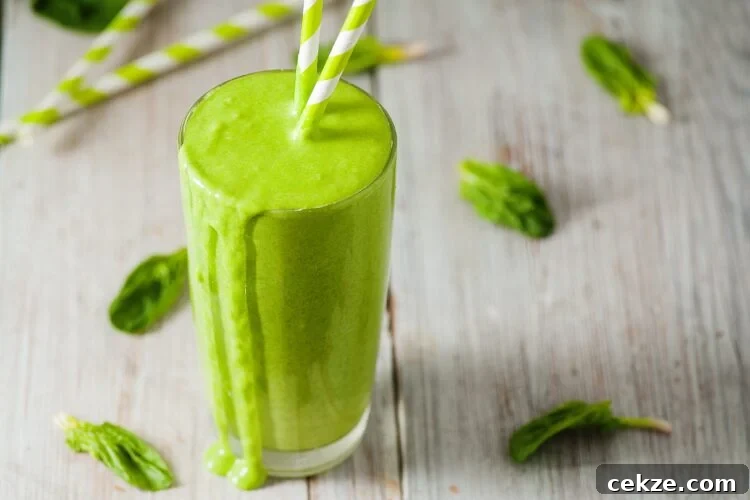
Below are a few balanced shake ideas that combine protein with fiber and healthy fats—practical options for meal replacement or recovery drinks. Adjust portion sizes and ingredients to fit your calorie and macronutrient goals.
PB and J Protein Shake
This peanut butter and jelly–style shake delivers protein, fruit, and healthy fats for satiety and recovery. It’s a great post-workout snack or meal replacement when you want a satisfying, sweet flavor without processed ingredients. Adjust the amount of nut butter to control calories and fat.
Strawberry Banana Protein Smoothie
A classic combination that balances carbohydrates and protein well. Use frozen strawberries and banana for thickness, and choose a protein powder that complements the fruit—vanilla or chocolate both work. This makes an energizing snack or light meal replacement with a good mix of carbs and protein.
Clean Coconut Protein Shake
This tropical-style shake uses coconut milk for healthy fats and a smooth texture, paired with a neutral or plant-based protein powder for a vegan-friendly option. It’s good for post-workout recovery or as a filling, lower-sugar meal replacement when made with unsweetened coconut milk.
Banana Split Workout Protein Smoothie
A dessert-inspired option using chocolate protein powder, banana, and optional mix-ins like nut butter or low-sugar cocoa. It provides a combination of protein, carbs, and fats suitable for pre- or post-workout fuel while feeling indulgent.
The Bottom Line
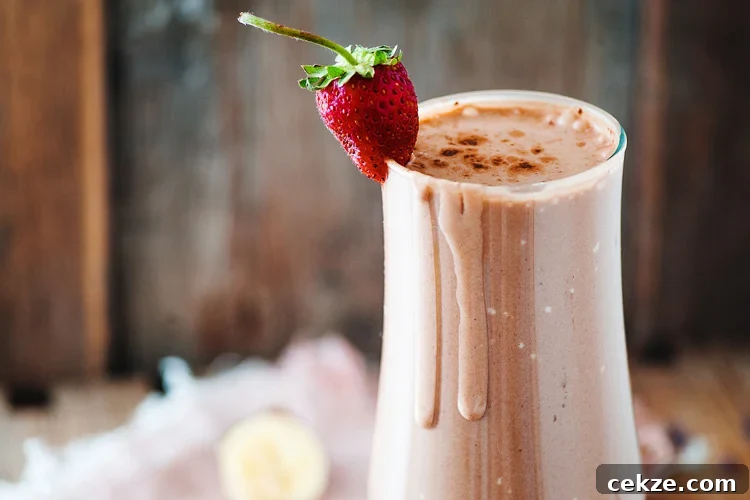
Protein shakes can be an effective, convenient tool for weight loss, muscle maintenance, and overall nutrition when built with whole-food ingredients and an appropriate calorie target. Select a protein powder that fits your dietary preferences, include fiber-rich carbs and modest healthy fats, and tailor portion sizes to your goals. Above all, make shakes enjoyable—palatable, satisfying shakes are easier to stick with and more likely to support long-term success.
What’s your favorite way to make a protein smoothie? Share your ideas and experiment with flavors, textures, and ingredients to find the combinations that work best for you.