
This is a simple step-by-step guide on how to start a blog on a budget. You can launch a money-making blog for less than $8.00/month and begin supporting your family, dreams, goals, and aspirations.
When I started blogging eight years ago I was a new stay-at-home mom on a very tight budget. Our first son was born prematurely and spent a month in the NICU. After that, I made the difficult decision to leave my full-time job to care for him. Overnight we went from two incomes to one.
We learned to budget carefully and I began couponing. I got so good at stretching our dollars that friends and family often asked me for tips.
One afternoon, while feeding my son, it occurred to me that I should start a blog. At first it wasn’t about making money—I didn’t even know that was possible—but about sharing how to manage finances, budget, and coupon effectively.
I had almost no extra money to invest, so I saved and taught myself by watching many tutorials. I launched my first blog on a shoestring budget—under $100. That initial investment felt huge at the time, but I was able to grow it and eventually earn far more than I spent.
Over time I learned how bloggers monetize their sites and I discovered other creators who were supporting their families through blogging. Today I’m able to stay home with my kids while supporting our family through this blog and other projects.
I’m sharing this guide because I’ve been there and want to help you start a blog on a budget too.
How to Start a Blog on a Budget
To launch a blog you need to follow a few basic steps. If your site isn’t live, you can’t start building an audience or earning money. Budgeting about $100 up front will let you set up your blog properly and avoid costly rework later.
Here is a five-step guide to setting up your blog.
Step 1 – Establish Your Niche
What is a niche?
Your niche is the theme or focus of your blog content. It helps you decide what to write about and who you’re writing for. Niches can be narrow—like “dog training”—or broader, such as a mommy/lifestyle blog covering family life and parenting tips.
Choose topics you enjoy and want to write about consistently. Your passion and expertise will guide your niche selection.
Step 2 – Decide on a Name
Choosing a name takes thought. My first blog was called “Bargains with Brittanie,” which fit my early focus on coupons and deals. Later I rebranded as my scope expanded. Try to pick a name you won’t want to change later—renaming a blog means updating domains, logos, and branding, which is time-consuming.
Brainstorm a list of names and variations. Say them out loud, visualize them in different fonts, and ask a friend or partner for feedback. Take your time—this is one of the longer steps in the setup process.
Step 3 – Choose the Domain Name
After deciding on a name, secure a domain—the web address where readers will find your site. Ideally you want a simple, memorable domain that matches your blog name. If your first choice is taken, try variations until you find an available option.
I recommend choosing a .com extension when possible, as it’s widely recognized and professional.

Where to buy your domain
The easiest approach is to register your domain with the same provider you choose for hosting. Many hosts include a free domain when you sign up for a plan, which simplifies setup and saves a little money.
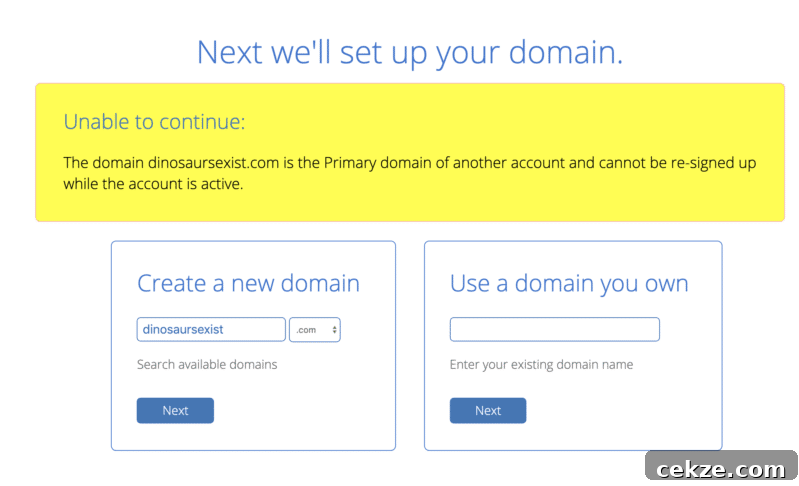
Once you confirm an available domain, move on to hosting.
Step 4 – Get Professional Hosting
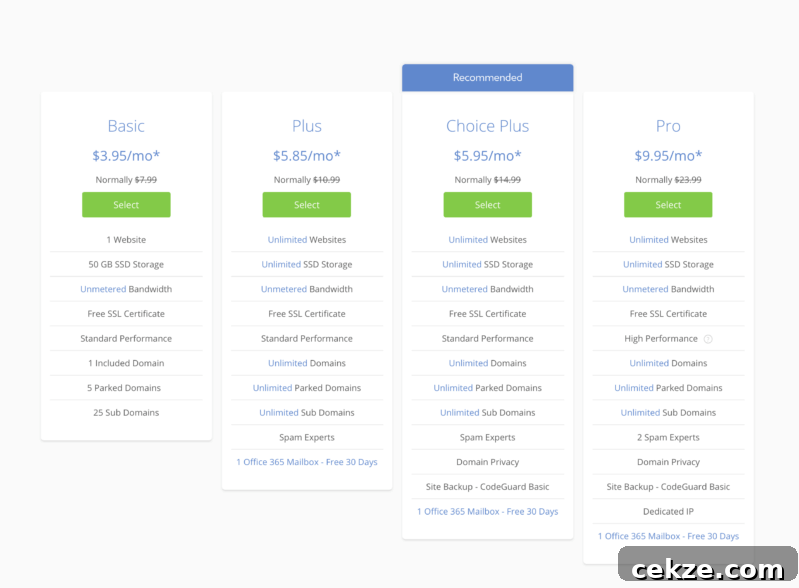
With your niche and domain chosen, you need a hosting provider and a platform. I recommend a self-hosted WordPress site because it offers flexibility, professional features, and control over your content. Avoid free, platform-owned services for long-term projects—those platforms can suspend or remove blogs without notice.
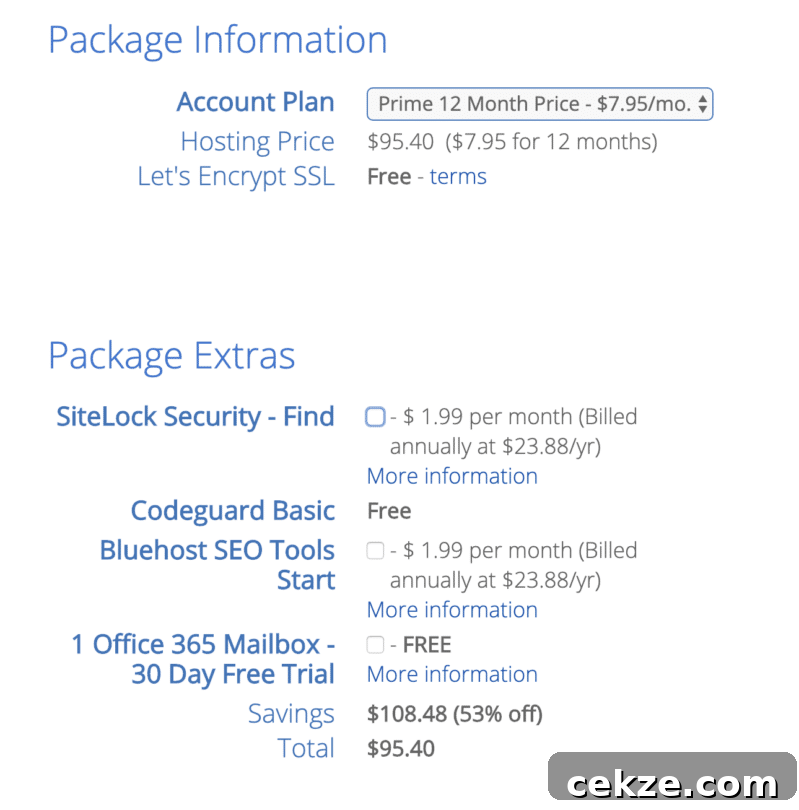
WordPress is a free content management system, but you must pay for hosting. A reliable host keeps your site online, secure, and fast. Many hosts offer affordable plans suitable for new bloggers and include a free domain when purchasing a yearly plan.
If you’re unfamiliar with technical setup, choose a host with good customer support. They can help install WordPress, select a theme, and walk you through the basics so your site is ready to use.
Step 5 – Launch Your Blog
With hosting and WordPress installed, it’s time to publish content. The hardest part for many new bloggers is writing and publishing the first posts. Start with a few helpful, well-written articles that reflect your niche and voice.
Don’t worry about perfection—your first posts will improve as you write more. Focus on consistency and providing value to readers.

After you publish initial content, you can refine your site’s appearance, add features, and learn monetization strategies. For now, focus on getting your blog live, creating consistent content, and growing an audience—content is the foundation of every successful blog.
I hope these five steps help you launch your blog on a budget and bring you closer to sharing your passion and building income. Take the first step, be patient, and keep creating—your effort can pay off.