Good nutrition doesn’t happen by accident. It takes intentional planning to prepare nourishing meals from scratch.
Having a plan removes stress for a busy homemaker. I find great joy in serving my family meals that are both tasty and nutritious.
You don’t need a rigid menu to eat well. Often I use a weekly plan as a flexible guide, changing meals as needed. A well-stocked pantry makes it possible to prepare a meal from scratch at any time.
Small Things That Help with Meal Planning
- I keep my freezer stocked according to a ration chart we developed, a practical food-pyramid model tailored to our family. This helps me create grocery lists based on what we actually eat every day.
- I store whole-grain breads, often sourdough made from freshly milled flour, and sometimes yeasted breads made with nutritious flour.
- I keep vegetables on hand, either canned or frozen.
- Canned fruits such as peaches, pear filling, and applesauce are staples.
- My refrigerator is stocked with dairy like block cheese, sour cream, and raw milk when available.
- I maintain proteins like canned beans and staple meats, and I often keep some canned meats for convenience.
These basics provide energy, fiber, vitamins, and protein so the family stays nourished.
Sunday Meals
Sunday meals feel less common now, but many homemakers still enjoy preparing a special meal to share after church. For some people the day has become a prep day, which is a shame when it could be a true day of rest and family time.
There is something comforting about a meal that has been slowly cooking in the oven while the family is away. It’s a tradition from previous generations that brings a warm, welcoming aroma home from church.
Plan healthy Sunday meals around what your family enjoys—roasts, cabbage rolls, or roasted chicken are simple, satisfying options.
Making a Sunday menu ahead of time saves time and money. Planning also makes preparations quieter and more relaxed so the family can worship without last-minute stress and return to a hot, ready meal.
With a little planning even large-family cooks can prepare delicious Sunday meals: freeze meatballs and bake them with sauce that morning, or assemble a rice bake in a roasting pan the night before and bake it slowly on Sunday. These tactics keep effort low while producing a comforting meal.
Putting a meal together isn’t always laborious, but it does require planning—like checking whether meat needs to be thawed ahead of time.
Stay Organized
Staying organized takes discipline, but it will save you from meal-time stress.
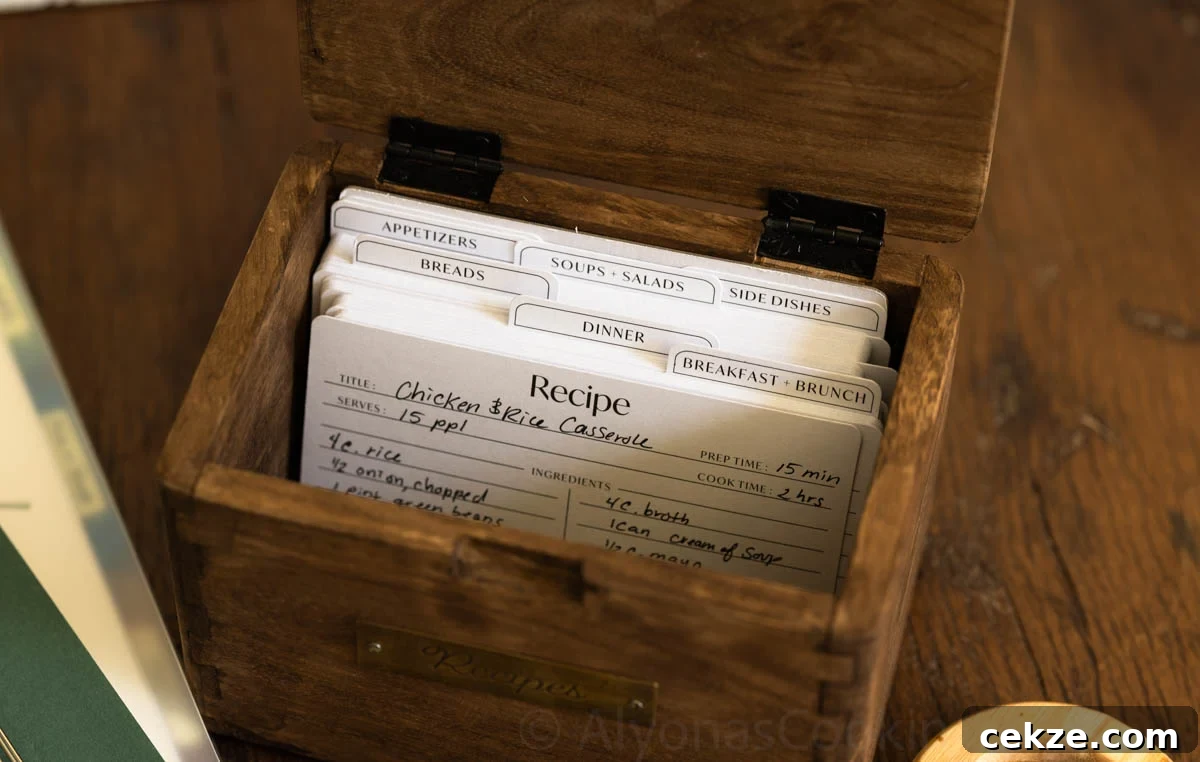
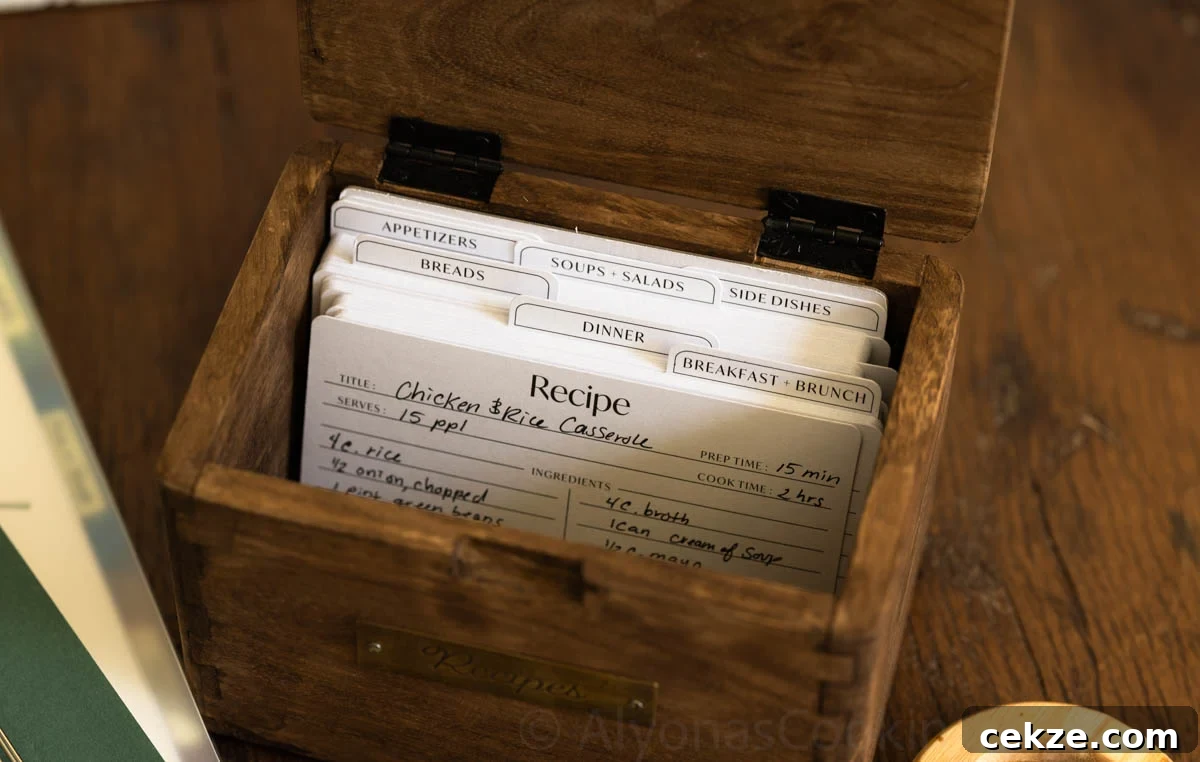
First, copy favorite recipes onto cards or print them and keep them in a recipe binder or recipe box.
Make lists of your go-to recipes by category: one-pot meals, tacos, fish, soups, meats, sandwiches, Sunday favorites, breads, and desserts. Organize these lists so you can quickly find a recipe when needed.
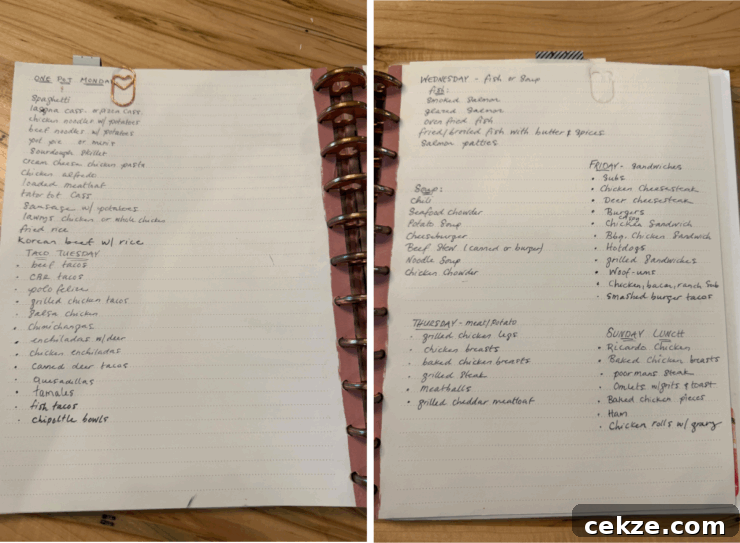
Themed dinners—“pizza night,” “Taco Tuesday,” or “Soup Day”—make weekly planning easier because each day has a predictable focus. A friend of mine does pizza night every Saturday and finds it removes the evening’s guesswork and helps her prepare for Sunday lunch.
Keep Saturday simple if it’s your prep day for Sunday, or use it to stock the freezer. Organizing written recipes declutters your collection and narrows it to the reliable dishes you use most.
What Planning a Week of Meals Looks Like
I keep a weekly planner and jot down breakfast, lunch, and dinner for each day. That doesn’t mean I cook from scratch every meal, but it helps me plan around ingredients that need to be used.
I list items in the fridge that should be used quickly and build the week’s menu around them. Leftovers often become lunches and breakfasts, so I account for that when planning.
A planner with extra boxes is useful for noting which items need to be used or thawed. I make a simple bullet list of meals that use up perishable ingredients and check it the night before so I’m ready in the morning.
Make Shopping Lists Consistently
Create a weekly meal plan and shop with a list. Before heading to the store, check pantry staples, the fridge, and freezer so you know what you already have.
Keep an inventory of freezer and pantry items to see what needs to be used first and plan meals accordingly. If a recipe needs a few extra ingredients, add them to your list. This habit helps reduce waste and saves money.
Always keep a shopping list and pen by the fridge. A magnetic notepad on the fridge lets you quickly jot down items as they run low, and checking your pantry before shopping prevents unnecessary purchases.
Whenever a food item starts to run low, add it to the list and watch local sales to buy in bulk when it makes sense. This is how I save money while keeping essentials stocked.
Planning a Shopping Day
Spend some time—often a slower Sunday afternoon or a quiet Monday morning—finalizing the shopping list. Check inventory, plan the week, and, if you like, use store flyers to choose sale items for your menu.
Pick one day for grocery shopping and add items to your fridge list during the week. If you live far from stores, plan a month of menus and include a few extra meals for company. Shop early in the morning or midweek to avoid crowds.
Having a clear shopping plan saves time in the store. After returning home, store perishables first and organize pantry or storage buckets so nothing gets overlooked.
Avoid Impulse Buying
Meal planning helps prevent impulse purchases. Sticking to simple staple ingredients keeps your routine consistent and minimizes waste. Fancy or unfamiliar ingredients are easily forgotten and often go unused.
Trying new recipes is fine, but avoid experimenting when things are chaotic or when you have guests. Save new dishes for practice so you can enjoy the process rather than feel stressed.
Shopping without a list can lead to forgetfulness and unnecessary buys. Rather than stocking up on cheap items you won’t use, watch for sales on things you know you will use and restock wisely.
Summary
Food is a constant part of life and planning meals can feel overwhelming. I aim to be a good steward of what I’ve been given by cooking simply and frugally.
Simplicity makes meal planning manageable and consistent. Slow down, savor the small moments, and plan intentionally so you can enjoy life. Build a collection of reliable recipes, stay consistent, and you will see the benefits.
If you enjoyed this post, leave a comment below and share what works for your meal planning—I’d love to hear your tips.