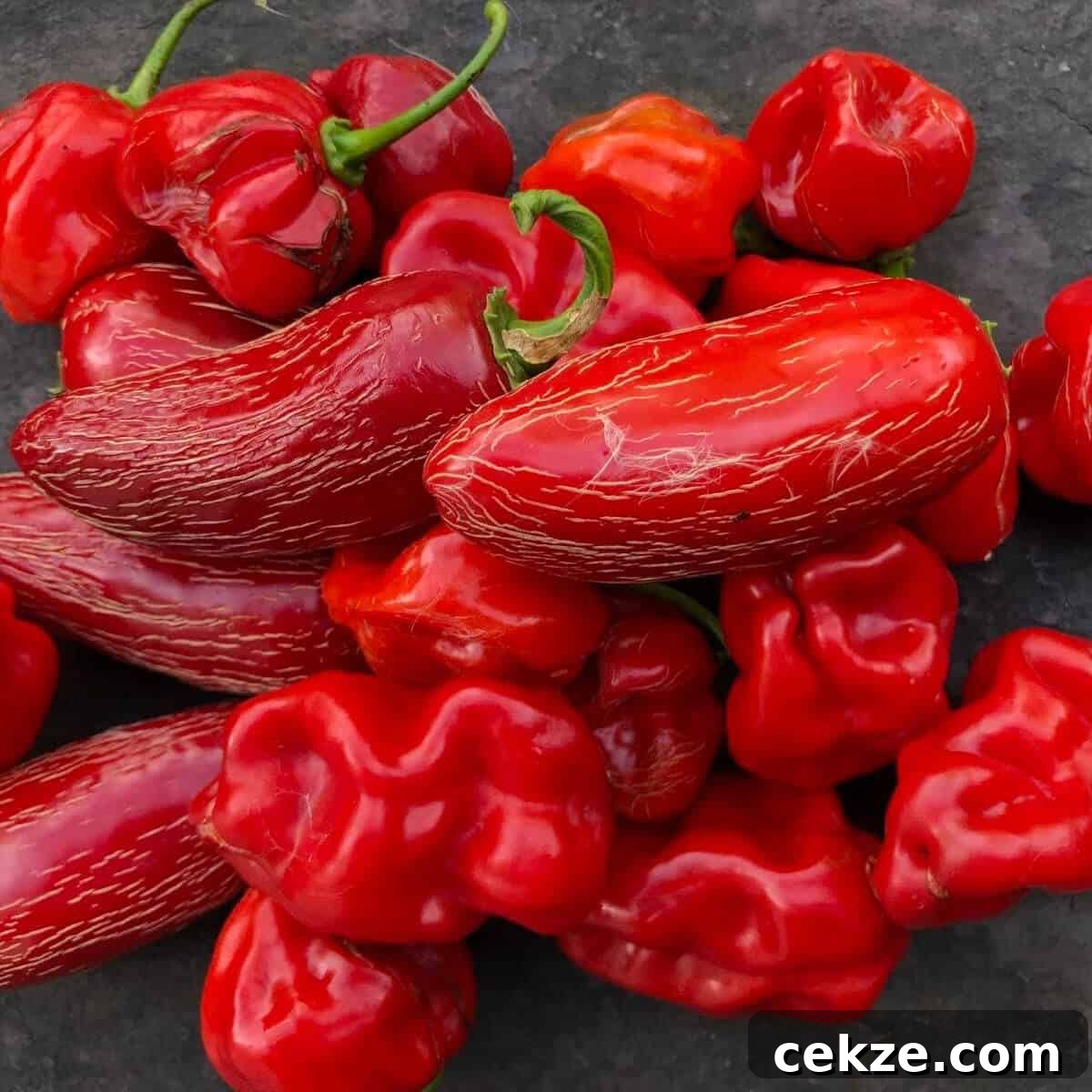
What makes a hot sauce good? After ten years of making homemade hot sauce from homegrown peppers, I’m still exploring the answer.
Join 500+ cozy folks for weekly recipes, crafts & good vibes – from my home to yours.
When you sign up, I’ll send the Cozy Weekend Starter Pack — a free PDF with three recipes, three crafts, and cozy weekend ideas.

[feast_advanced_jump_to]
Good hot sauce depends on your goal. Do you want searing heat, a sauce that transforms a dish, or something that brings upfront heat with a smooth finish?
My preference is a versatile sauce that enhances food without masking its flavors — a balanced heat with a lingering finish that complements rather than overpowers.
I also prefer simplicity: minimal ingredients, basic equipment, and straightforward cooking. So, we’ll begin with growing peppers.
Around mid-May, visit your local nursery and pick the hot pepper plants you like. This year I chose jalapeños and habaneros. Plant them where they get plenty of sun and in well-drained soil. If nights are still cool, keep them in pots outdoors during the day and bring them inside at night until they’re acclimated.
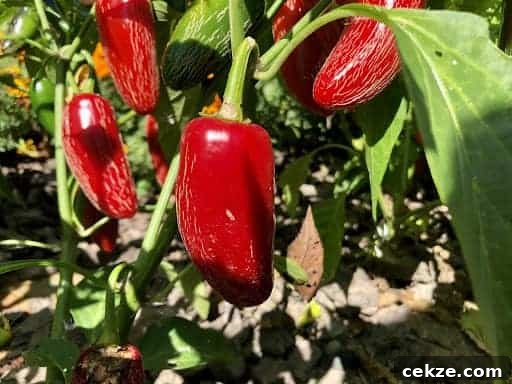
After planting, keep the soil consistently moist for the first few days and use a light vegetable fertilizer to help them establish. I like organic fish fertilizer; the smell is strong, but the plants respond well. Fertilize once when planting and again after about two weeks.
Once established you mostly wait until harvest in late summer. Mild stress from dry spells can boost a pepper’s heat, which makes these plants ideal for a relaxed gardener.
During the summer, shop for glass bottles, caps, and labels. I use Avery address labels 8160 for my bottles.
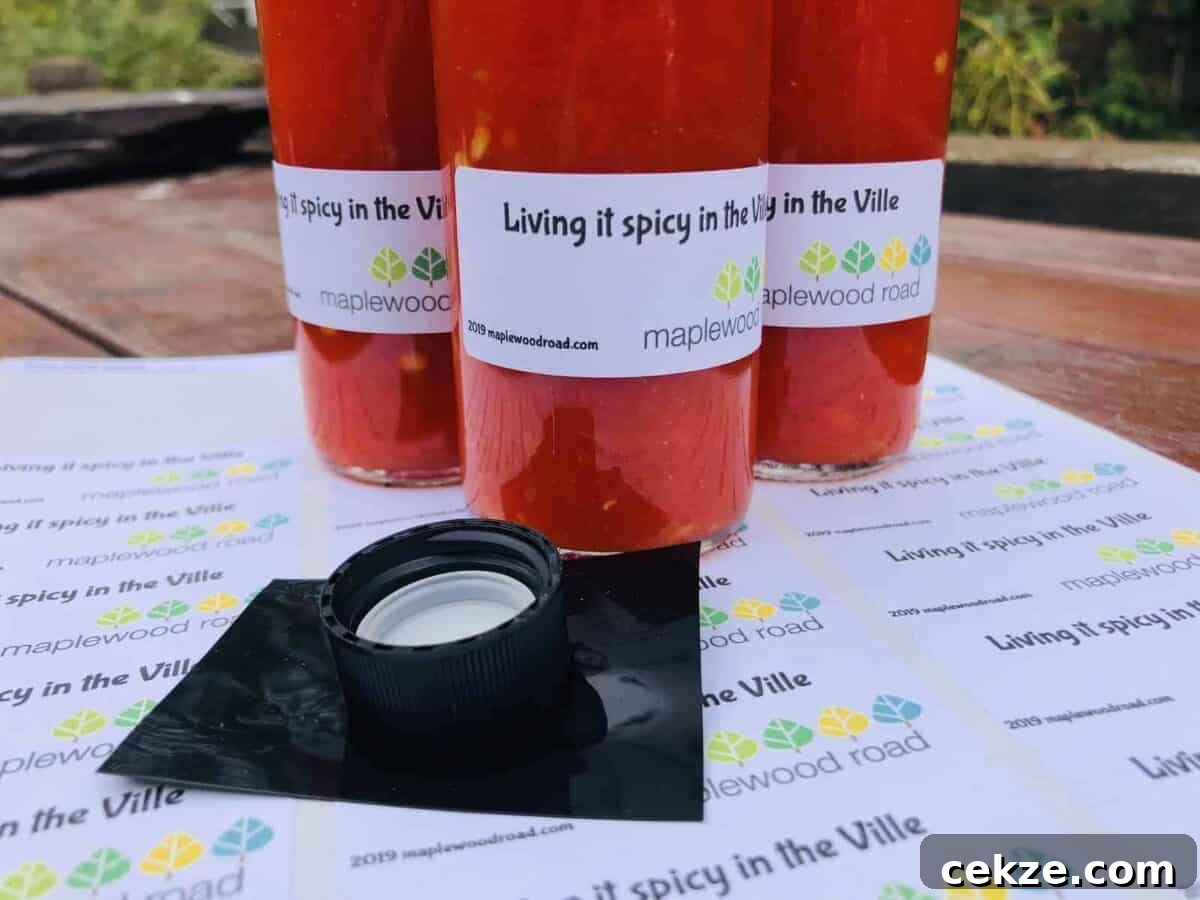
When the peppers are ripe, gather your ingredients and equipment. With everything ready, making the batch becomes straightforward and quick.
🧾 Ingredients
- 35 jalapeños
- 35 habaneros
- 8 cups water
- 8 cups distilled white vinegar
- 4 medium red bell peppers
- 4 tablespoons salt (I used mushroom salt)
- 4 tablespoons garlic powder (not garlic salt)
- ½ cup sugar
🫙 Yield
About twenty-five 5-ounce bottles.
🥣 Instructions
- Grow the peppers and be patient.
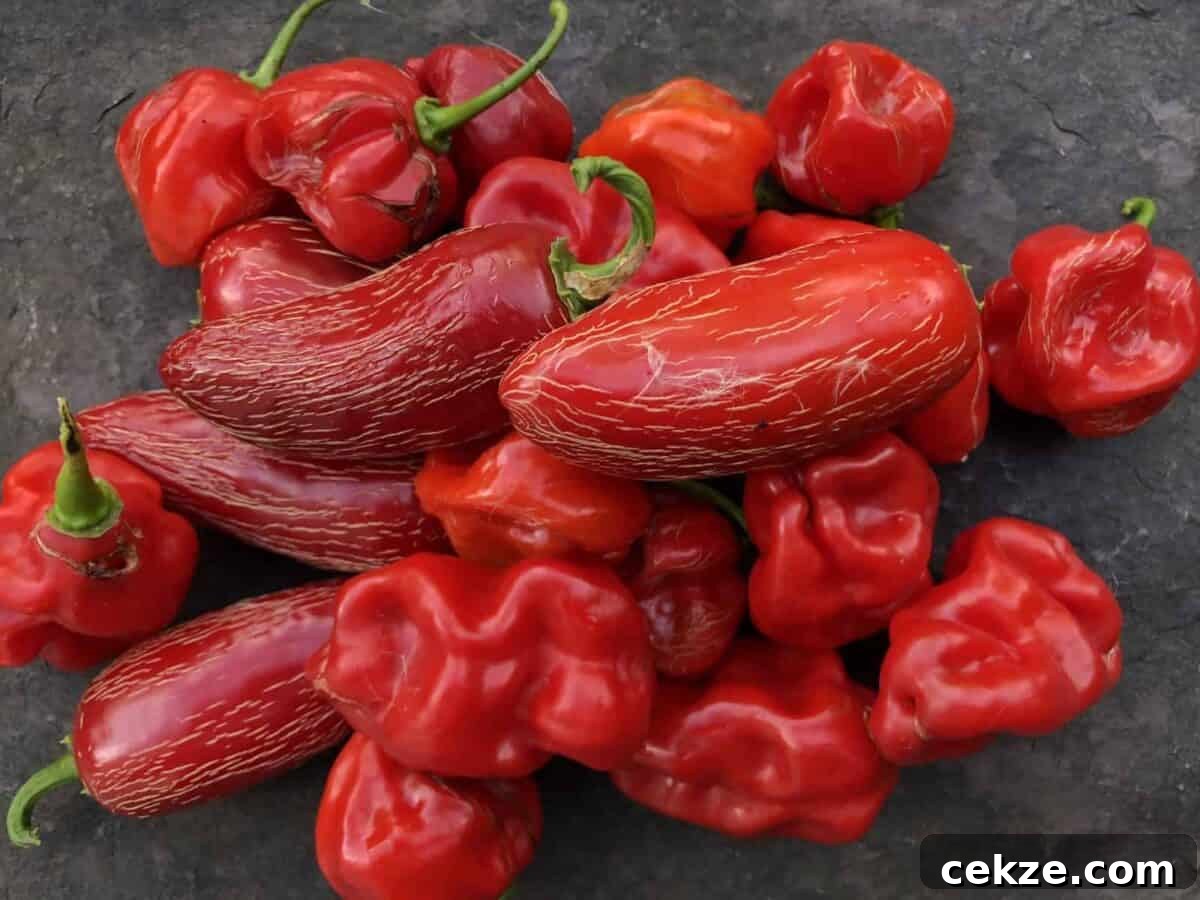
- Harvest when ripe — take photos if you like.
- Chop the peppers — wear gloves to protect your skin and eyes.
- Combine all ingredients in a large pot, bring to a boil, then reduce to a simmer. Leave some room in the pot to avoid boil-overs.
- Simmer for about 30 minutes. Ventilate the kitchen — the fumes can be strong.
- Blend the mixture (preferably in a blender rated for hot liquids, or let it cool slightly). Work in batches if needed.
- Optional: strain through a fine mesh or cheesecloth to remove seeds and solids, then return the sauce to the pot.
- Taste carefully and adjust. If it’s too hot, add equal parts vinegar and water and simmer again until you reach the desired balance.
- Once adjusted, simmer for another 10 minutes, cool slightly, then bottle the sauce.
- Share with friends but keep enough for yourself.
🌶 Make the hot sauce!
The single most important rule before chopping: use gloves! Handling hot peppers without gloves risks burning your skin and eyes.
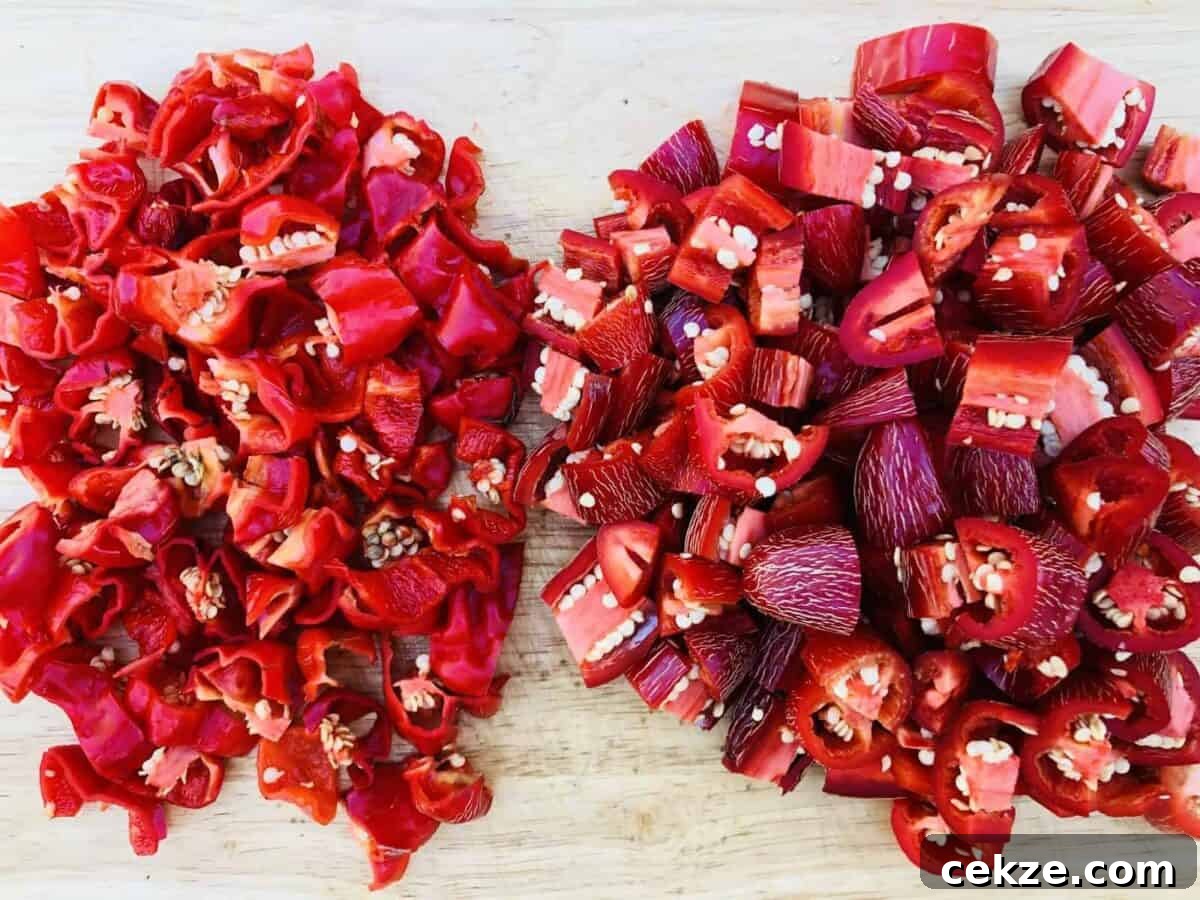
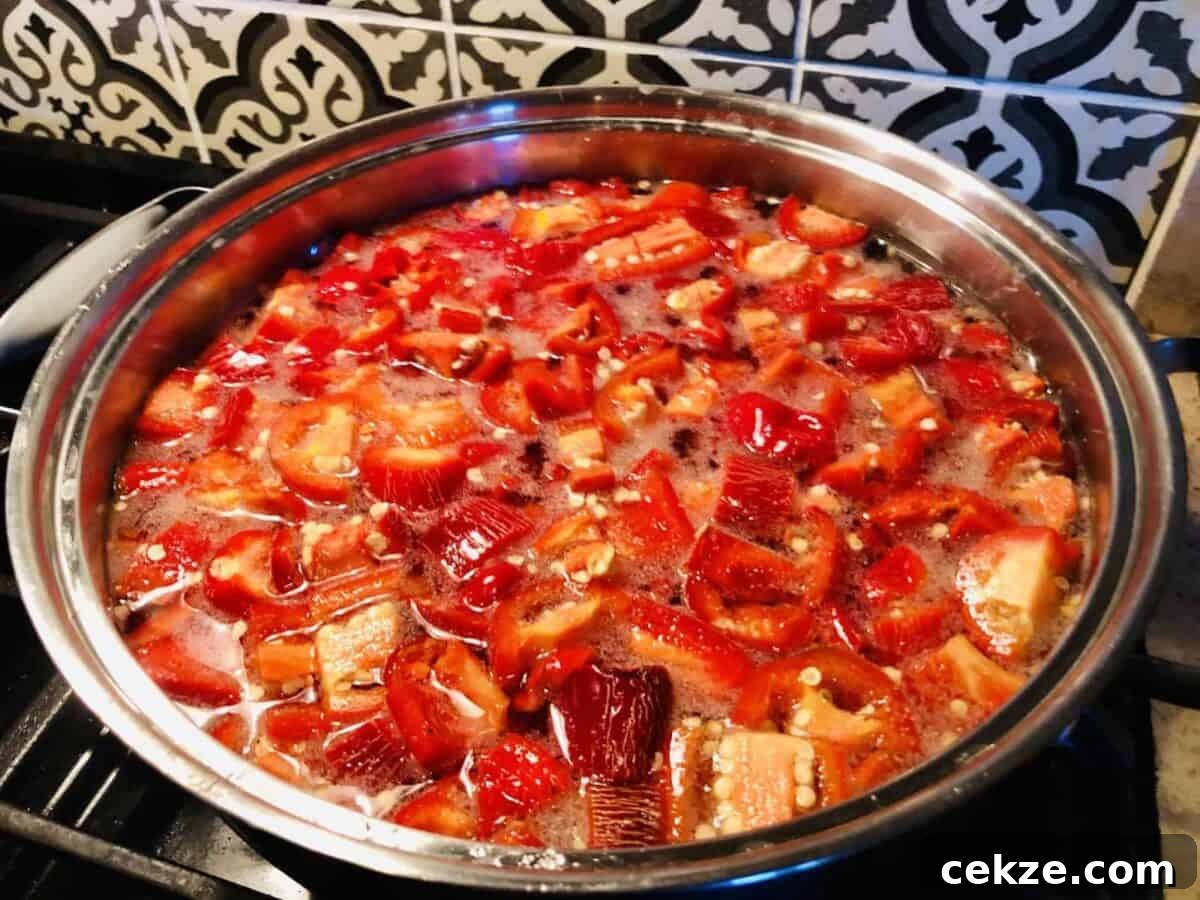
Chop all peppers, including the bell peppers, and add them to the pot with water, vinegar, salt, sugar, and garlic powder. Bring to a boil, then simmer for 30 minutes while ventilating the room.
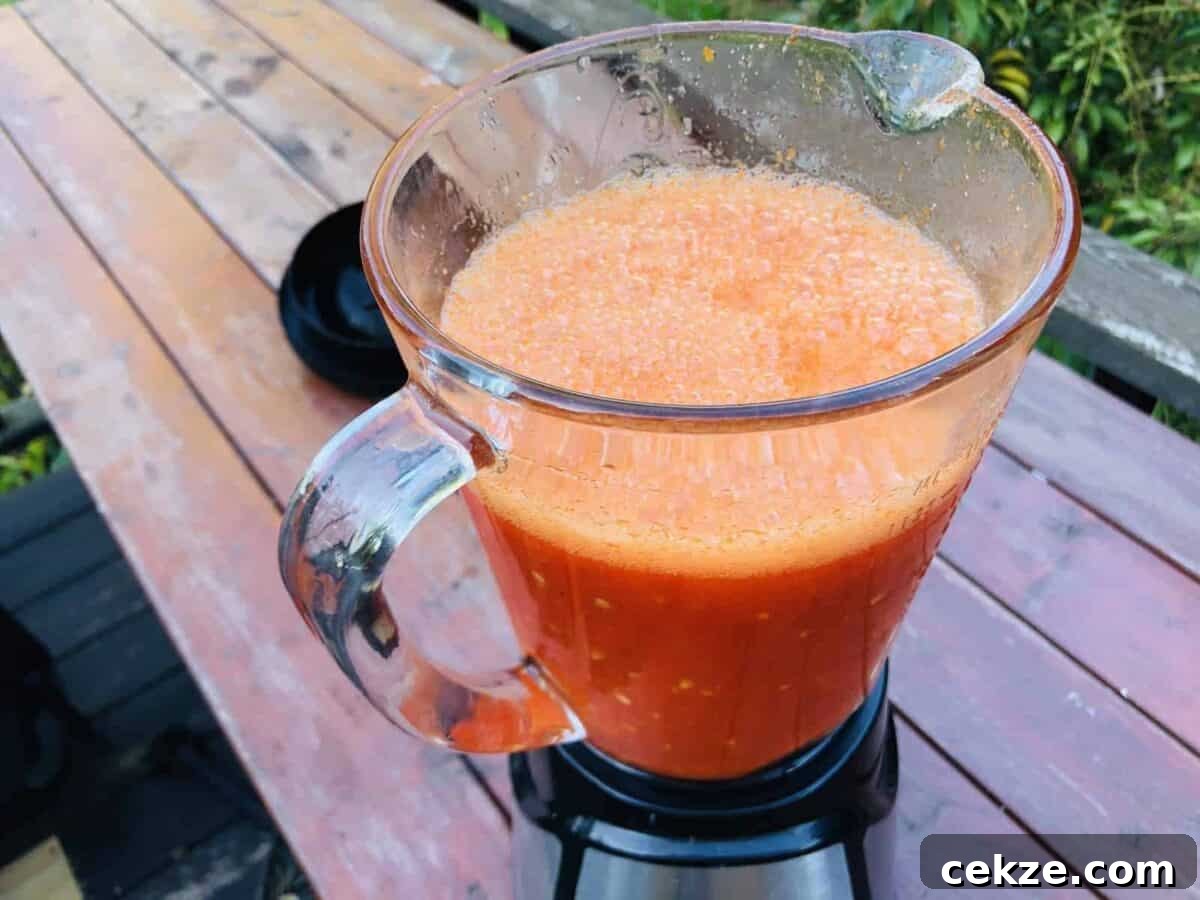
Ensure your blender can handle hot liquids; if not, let the mixture cool until it’s safe to blend. Process in batches as needed and return the blended sauce to the pot. Strain if you prefer a smoother texture.
Taste carefully. Pepper heat varies with variety and growing conditions. If the sauce is too hot, add equal parts vinegar and water and simmer until it reaches the heat level you want. After adjusting, simmer another 10 minutes, cool, then bottle.
🤔 Some thoughts
On the Scoville scale, jalapeños are mild and habaneros are much hotter, which creates a balanced heat in this recipe. This year I substituted regular salt with mushroom salt, which added subtle depth.
Next year I might experiment with a drop of black truffle oil extract for extra umami without changing the heat profile dramatically.
If you prefer an extremely hot sauce, try ghost peppers or Carolina Reapers, but handle them with care and expect intense heat.
Did you make this hot sauce? Share your experience in the comments below!
Tell us how you made your hot sauce — which peppers did you use?
Content and photographs are copyright protected. Sharing this recipe is encouraged and appreciated, but copying full recipes to social media is prohibited.